Don't have an account? Join for free
Cart
3” Sleeve Style Gas Blowoff Valve
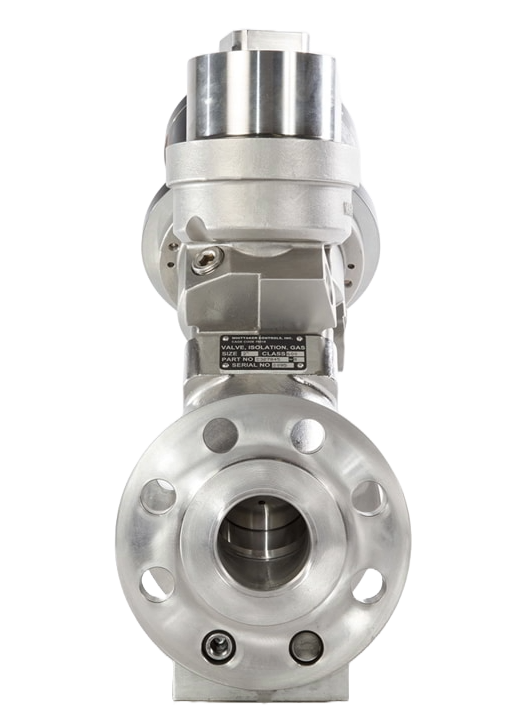
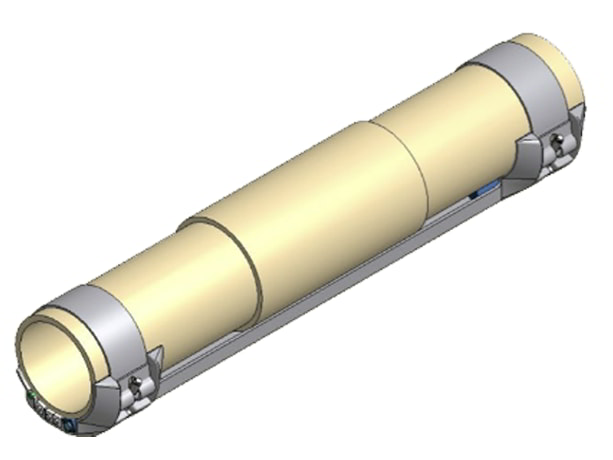
The Blowoff Valve is a 3-inch sleeve-style gas blowoff valve designed for use in aero-derivative industrial gas turbines. Its primary function is to isolate gas fuel during turbine shutdowns or emergency events, helping prevent overspeed conditions and damage caused by uncontrolled combustion.
This valve features a solenoid-pilot actuation system and operates with either 24 VDC or 95–140 VDC electrical input. It is designed with a 3-inch outlet flange and built entirely from stainless steel materials to ensure durability and compliance with NACE standards for sour gas environments.
Performance characteristics include a 110 millisecond full-stroke opening time and 1 second full-stroke closing time, meeting the rapid response requirements necessary for turbine protection. The valve is capable of withstanding heat soak temperatures up to 400°F, allowing it to function reliably in high-temperature turbine enclosures.
For safety in hazardous environments, the blowoff valve is certified to CE-ATEX Group IIA, Category 3, Zone 2, T3, supporting its use in oil and gas facilities with potentially explosive atmospheres.
This valve is often used in redundant pairs to provide dual isolation capability, increasing system reliability. Its application is critical to turbine safety systems, ensuring that fuel flow can be quickly and reliably shut off when required.
View Details
2.62 inch Water Injection Valve WI
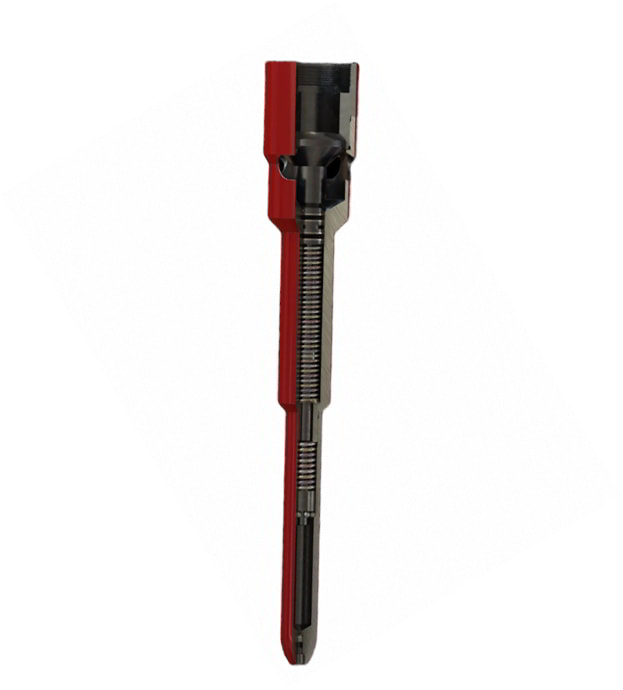
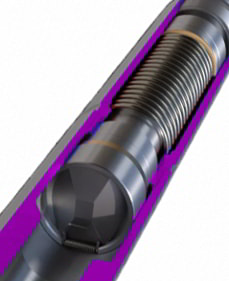
The WI retrievable injection valve is a high-performance, high-flow rate injection valve. High throughput is achieved by a unique valve configuration that minimizes turbulent and potentially erosive flow. Operation is not dependent on a specific flow rate, pressure, or setting depth, thus negating the need for adjustment over time. The valve incorporates a metal-to-metal valve and seat energized by the combination of an integral spring and well pressure acting from below. The WI injection valve can be deployed on a wireline lock or through-tubing pack-off device, providing flexibility not available with alternative injection valve systems. As a result of the simple design with fewer parts, redress and repair costs are considerably lower than those for other injection valve systems. Applications The WI injection valve is primarily used in water injection applications as an alternative to conventional tubing or wireline-set safety valves. The valve is also commonly used as a retrofit solution in water injectors in which a tubing to annulus leak has occurred. The valve can be deployed below the leak point to eliminate uncontrolled annulus pressure increases when the injection stops. Features » Compatible with all known lock systems » Dedicated designs to suit Halliburton EB0 intervention packers » Enhanced internal flow profile » Simple design and construction » Flow-loop testing performed to establish pressure drop versus pump rate *information referenced from supplier catalog. View Details
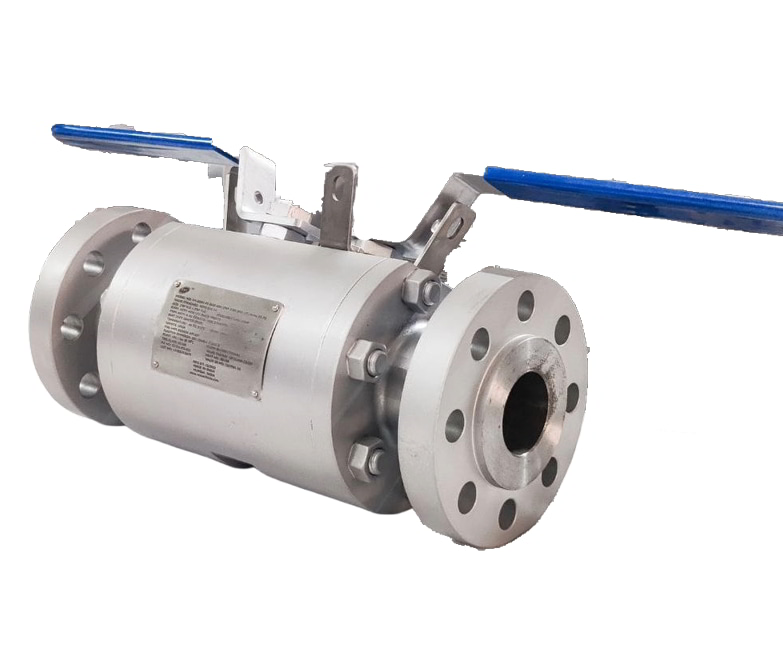
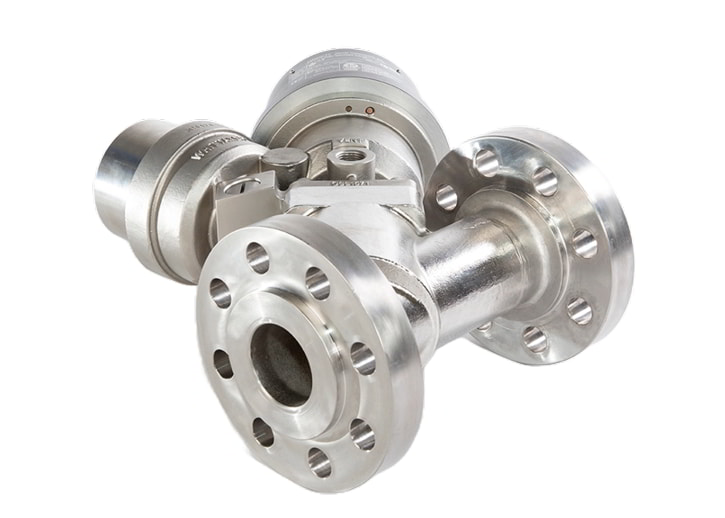
The Double Block & Bleed Valve – Flange x Flange – Ball x Ball with Needle Drain is a high-performance isolation and venting solution designed specifically for oil and gas applications. This valve combines two independent ball isolation valves and a centrally located needle drain valve within a single, compact body, ensuring reliable double isolation and safe pressure relief or venting.
Manufactured in compliance with ASME B16.34, API 6D, and ISO 17292 standards, it offers assurance of global quality and safety benchmarks. The design accommodates line sizes ranging from ½” to 2”, with pressure ratings from Class 150 up to Class 2500, making it suitable for both standard and high-pressure operations.
The flange x flange connections provide secure installation and easy integration into piping systems, while the ball x ball configuration guarantees tight shut-off. The needle drain allows for controlled venting, sampling, or pressure equalization, enhancing operational safety and efficiency.
The valve is well-suited for critical applications such as pipeline isolation, meter calibration, instrumentation, and maintenance operations in oil and gas facilities. Its compact, space-saving design reduces potential leak paths compared to conventional multi-valve assemblies, lowering installation costs and improving reliability.
View Details
Ultra-Sonic Inspection Tool (USIT) runs
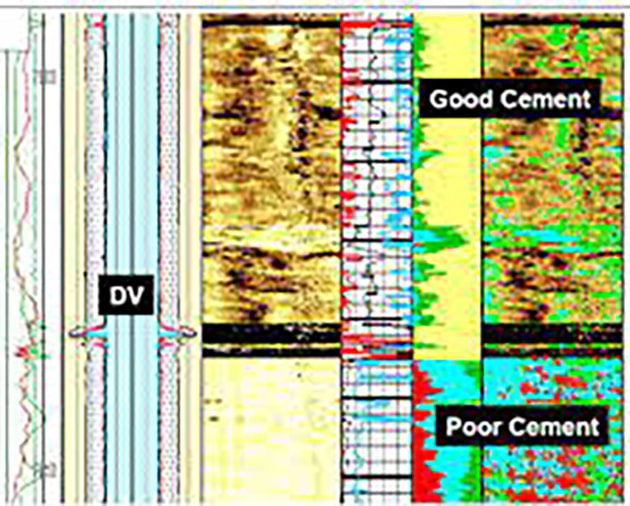
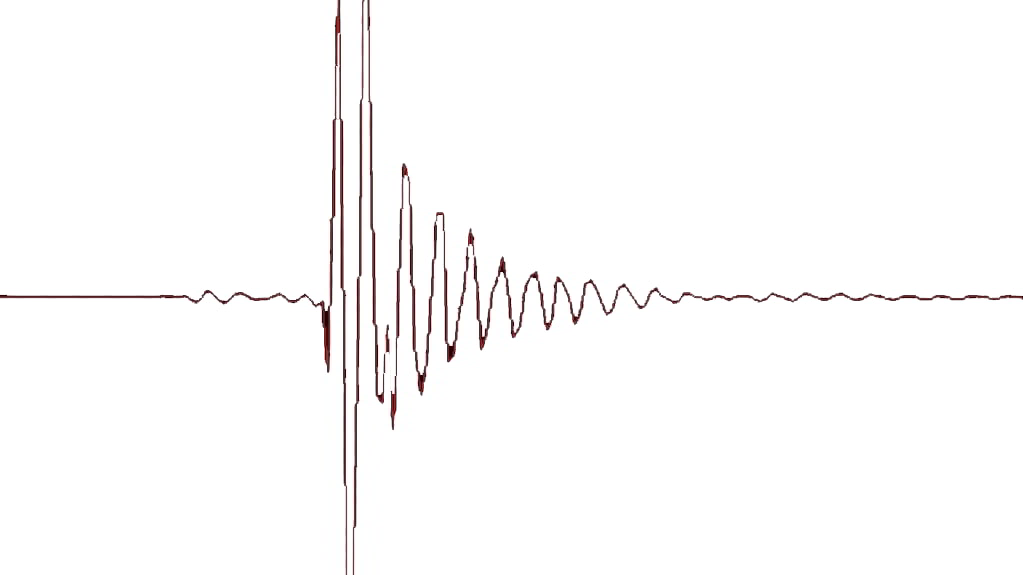
Advancing Well Integrity with InWaTec Combined’s Ultra-Sonic Inspection Tool Services In the pursuit of operational excellence within the oil and gas industry, maintaining the integrity of well infrastructure is paramount. InWaTec Combined is proud to present our Ultra-Sonic Inspection Tool (USIT) Services, a cutting-edge solution for comprehensive cement evaluation, casing inspection, and integrity assessment. The USIT is a marvel of diagnostic precision, utilizing a single transducer mounted on an Ultrasonic Rotating Sub (USRS) at the tool's base. This sophisticated apparatus emits ultrasonic pulses ranging from 200 to 700 kHz, meticulously recording the waveforms reflected from both internal and external casing interfaces. The decay rate of these waveforms is a direct indicator of the cement bond's quality, while the resonant frequency readings of the casing yield accurate wall thickness measurements—critical data for assessing pipe integrity. Thanks to the transducer's placement on the rotating sub, our USIT Services ensure a full 360° scan of the casing circumference, leaving no aspect of the wellbore unexamined. This comprehensive coverage is pivotal for evaluating cement bond quality and determining the condition of the casing with unmatched precision. Our tool’s high angular and vertical resolutions can detect even the narrowest channels, down to 1.2 inches in width, providing a detailed assessment of well integrity. Our real-time data acquisition and analysis at the wellsite generate self-explanatory maps and valuable metrics, including cement bond logs, casing thickness, internal and external radii. These insights are indispensable for: Cement evaluation to ensure zonal isolation and well integrity. Casing inspection to ascertain ongoing wellbore stability. Corrosion detection and monitoring to prevent potential well failures. Identification of internal and external damage or deformation, safeguarding against unexpected operational hazards. Casing thickness analysis, crucial for calculating collapse and burst pressure parameters and prolonging the life of the well. InWaTec Combined's USIT Services are not just diagnostic tools—they are a testament to our commitment to safeguarding our clients' assets and optimizing well performance. By embracing our Ultra-Sonic Inspection Tool Services, operators gain the assurance that their wells remain robust, compliant, and productive throughout their lifecycle. In an industry where well integrity is synonymous with operational success, InWaTec Combined stands as your sentinel of safety and efficiency. Deploy our USIT Services, and harness the power of precision ultrasonic technology to illuminate the unseen, ensuring your operations are secure from the inside out. View Details
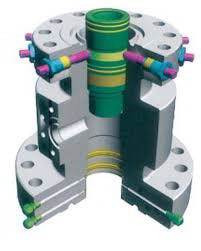
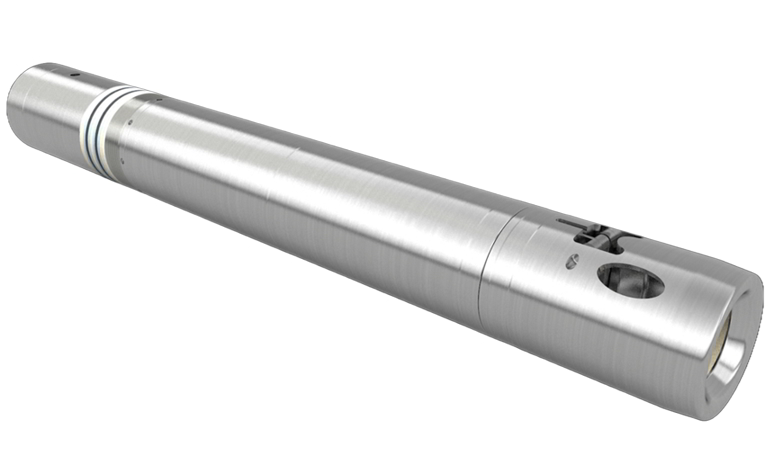
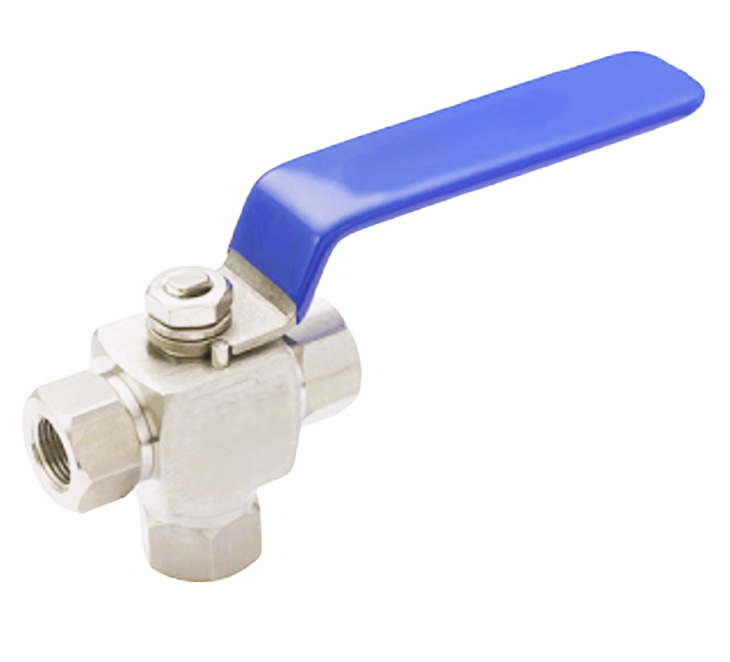
The Ball Valve Lever Operated 3-Way Female × Female Side Entry is a high-performance valve designed to control or divert fluid flow in oil and gas piping systems. Its 3-way configuration allows flow to be directed between multiple pipelines, making it ideal for applications such as flow diversion, sampling lines, injection systems, or process line bypasses.
The valve supports split flow and is suitable for pressures up to 6000 PSI (maximum 10000 PSI on request) and temperatures from –40 °F to 450 °F (–40 °C to 232 °C).
The female × female connections enable secure inline installation without the need for male fittings, simplifying assembly and reducing potential leak points. The valve features a floating ball design for seat wear compensation, ensuring consistent, leak-proof shut-off under high-pressure conditions.
It is manufactured and tested to ASME B16.34 standards, pressure-temperature rated to ASME B31.3, and type-tested to MSS-SP-99, providing verified performance and reliability in industrial environments.
Operation is efficient and reliable with a quarter-turn lever, allowing fast control with low torque. The internally loaded stem with shoulder prevents blowout, enhancing safety, while replaceable seats and packings extend service life. Fire-safe designs and optional compliance with NACE MR0175 standards are available, and heat code traceability ensures material verification.
Built for demanding industrial environments, the valve is suitable for a wide range of oil and gas applications where flow control, diversion, and durability are critical.
View Details
S-KWIK Control Line and Cable Protector
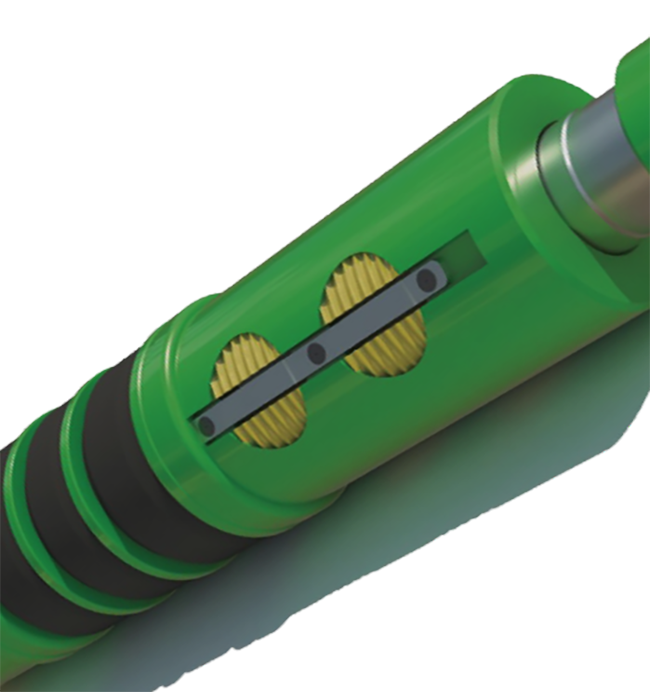
Cross coupling protectors are essential tools used in the oil and gas industry during the installation of completions in oil and gas wells. These protectors provide a variety of benefits that make them a necessary investment for any oil and gas company. Protects Control Lines: Cross coupling protectors help protect control lines from damage that can be caused by the installation process, environmental factors, and other external factors. By providing an extra layer of protection, the control line can last longer and reduce the need for costly repairs or replacements. Prevents Fluid Contamination in Cables: Cross coupling protectors prevent fluid contamination by keeping debris and other unwanted materials out of electrical cables during installation. This is particularly important in the oil and gas industry where contamination can lead to significant safety risks, equipment damage, and production losses. Reduces Maintenance Costs: The installation of cross coupling protectors can help reduce maintenance costs. By protecting control lines and cables the completion is less likely to require maintenance or repair. This can result in significant cost savings over the long-term. Improves Efficiency: Cross coupling protectors help to improve the efficiency of the installation process. By providing a secure connection and preventing contamination, the installation process can be completed more quickly and with fewer re-work. This can help to reduce downtime and increase productivity. Enhances Safety: Cross coupling protectors enhance safety by reducing the risk of equipment failure and fluid contamination. This can help to prevent accidents and injuries, and ensure that the installation process is completed safely. The use of cross coupling protectors is critical to the successful installation of tubing in oil wells. They provide numerous benefits including protecting tubing joints, preventing fluid contamination, reducing maintenance costs, improving efficiency, and enhancing safety. By investing in cross coupling protectors, oil and gas operators can ensure the long-term success of their operations while improving their bottom line. View Details
Wireless Infrastructure Design and Implementation
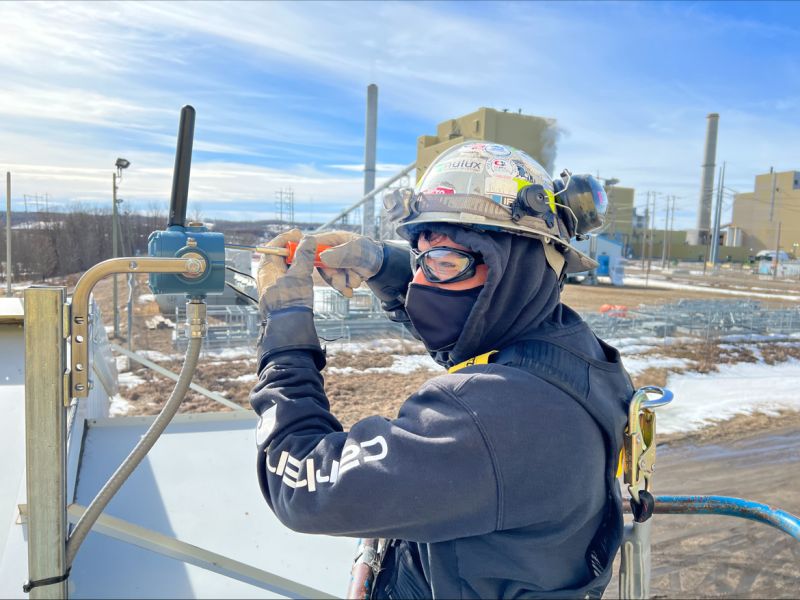
Redefining Wireless Infrastructure for the Oil & Gas Sector: Nulux Network Solutions Leads the Way In the modern era of the oil and gas industry, the intricate operations and vast terrains involved necessitate a robust, efficient, and secure communication network. As reliance on digital solutions becomes more pronounced, so does the need for seamless wireless infrastructure. With Nulux Network Solutions at the helm of wireless infrastructure design and implementation, the oil and gas sector can now look forward to tailored solutions that guarantee optimum connectivity. Bridging Distances and Overcoming Obstacles Geographical distances, challenging terrains, and myriad obstacles are inherent to the oil and gas industry. In such scenarios, traditional hard-line connections might prove ineffective, expensive, or even impossible. This is where Nulux’s expertise in wireless communication links becomes invaluable. With a proven track record of designing and implementing both point-to-point and multipoint radio networks, along with tower construction, rigging, and mesh networks, Nulux offers unparalleled solutions that ensure constant, uninterrupted connectivity. Harnessing the Power of Wireless Access Points As workplaces in the oil and gas sector become more dynamic, the dependency on mobile devices for tasks such as documentation review, QA-QC, and project planning is intensifying. Recognizing this need, Nulux offers top-tier wireless network designs that ensure every corner of your facility, be it the office or the expansive facility floor, remains connected. This not only boosts productivity but also paves the way for substantial time and cost savings. Point-to-Point Vs. Multipoint: Customized Solutions for Diverse Needs Understanding the distinction between point-to-point and multipoint networks is vital. While the former establishes a dedicated link between two distinct points ensuring utmost security and streamlined communication, the latter connects multiple points through a single shared line, facilitating broad-spectrum connectivity. Key Benefits of Opting for Nulux’s Wireless Infrastructure: Boosted Productivity: Seamless connectivity ensures that all personnel, regardless of their location, have unhindered access to centralized data, thereby accelerating operations. Enhanced Security: The private nature of point-to-point networks shields data from potential interceptions, guaranteeing safe data transfers. Cost-Effective Solutions: Especially in scenarios where traditional hard-line installations are impractical, wireless networks present a more economical and feasible option. In conclusion, the sophisticated nature of operations in the oil and gas industry demands nothing short of excellence in communication infrastructure. With Nulux Network Solutions, engineering professionals can expect wireless infrastructure designs that are not only advanced and reliable but are also tailor-made for the unique challenges of the sector. As the industry evolves and the need for reliable wireless tech surges, Nulux remains steadfast in its commitment to stay ahead, ensuring that the oil and gas sector remains seamlessly connected, always. Connect with us today, and let's build the future of wireless communication together. View Details
Oil Absorbent Net-Bag Pillows with Handle
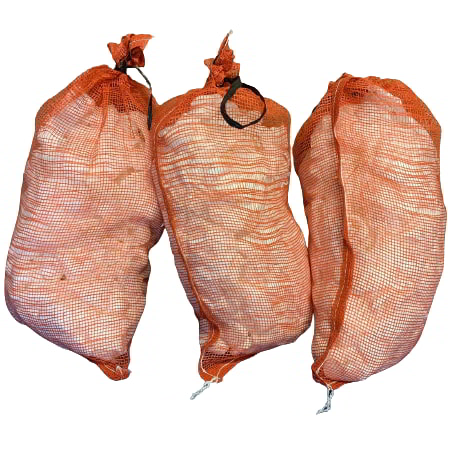
Oil Absorbent Net Bags represent a paradigm shift in spill cleanup technology. The unique composition, impressive absorption capacity, and Canadian origin position them as a cutting-edge solution for large spills. As industries continue to prioritize efficiency, cost-effectiveness, and environmental responsibility, Oil Absorbent Net Bags stand at the forefront of progressive spill cleanup methodologies. Oil absorbent Net Bags contain polypropylene strips in a nylon mesh bag. and absorbs up to 10L (2,64 gal) of oil for each bag and repels water. Introduction: Large spills, particularly those involving oil, demand a tailored approach to cleanup. The conventional methods often fall short, necessitating the introduction of specialized tools. Oil Absorbent Net Bags have emerged as a promising solution, offering a combination of advanced materials, superior absorption capabilities, and efficiency in maintenance and disposal processes. Look at the technical design optimizes both absorption capacity and structural integrity because strips of polypropylene, a highly effective oil-absorbing material, are encapsulated within a durable nylon mesh bag. Also, the bag has a high absorption capacity, it stands out to absorb up to 10 liters (2.64 gallons) of oil. This impressive capacity positions it as a reliable and efficient tool for large spill cleanups, minimizing the need for frequent replacements and optimizing resource utilization. A distinctive trait of these net bags is their ability to repel water while selectively absorbing oil. Oil Absorbent Net Bags have proven to be several times more absorbent than traditional methods. The specialized composition enables to outperform alternatives, ensuring a faster and more thorough cleanup process. This not only streamlines the cleanup operation but also translates into lower maintenance costs. The Canadian origin aligns with a culture of environmental responsibility. By choosing Oil Absorbent Net Bags, users contribute to sustainable practices, supporting a product with a minimal ecological footprint. And we ensure that this product meets and exceeds expectations of a good cleanup. Good for the environment and good for you. View Details
Injection Well Subsurface Safety Valve WI 4.89
The WI retrievable injection valve is a high-performance, high-flow rate injection valve. High throughput is achieved by a unique valve configuration that minimizes turbulent and potentially erosive flow. Operation is not dependent on a specific flow rate, pressure, or setting depth, thus negating the need for adjustment over time. The valve incorporates a metal-to-metal valve and seat energized by the combination of an integral spring and well pressure acting from below. The WI injection valve can be deployed on a wireline lock or through-tubing pack-off device, providing flexibility not available with alternative injection valve systems. As a result of the simple design with fewer parts, redress and repair costs are considerably lower than those for other injection valve systems. Applications The WI injection valve is primarily used in water injection applications as an alternative to conventional tubing or wireline-set safety valves. The valve is also commonly used as a retrofit solution in water injectors in which a tubing to annulus leak has occurred. The valve can be deployed below the leak point to eliminate uncontrolled annulus pressure increases when the injection stops. Features » Compatible with all known lock systems » Dedicated designs to suit Halliburton EB0 intervention packers » Enhanced internal flow profile » Simple design and construction » Flow-loop testing performed to establish pressure drop versus pump rate *information referenced from supplier catalog. View Details
Double Insulated AWG 2/0 Cable
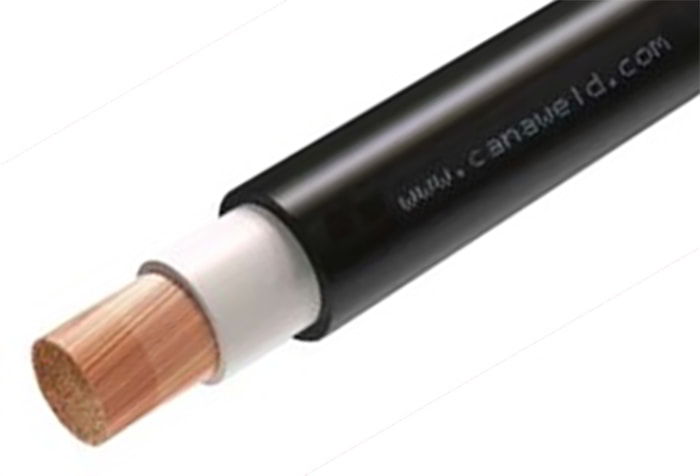
Unleash the Power of Precision Welding with Canaweld's Welding Cable Double Insulated AWG 2/0 (67.4 mm2)! In the oil and gas industry, precision welding is not just a necessity; it's an art. At Canaweld, we understand the critical role that welding plays in your projects, and that's why we offer the highest quality welding accessories to empower you with exceptional performance. Our Welding Cable Double Insulated AWG 2/0 (67.4 mm2) is a testament to our commitment to excellence and innovation. Unparalleled Quality and Performance: Crafted with utmost precision, our welding cables are double insulated and made from 100% pure copper. The Rope Lay Class K Stranded Soft Drawn Bare Copper Conductor per ASTM B-172 ensures outstanding conductivity, allowing you to achieve precise welds with ease and confidence. Built for Safety: Safety is paramount in welding operations, and our welding cables are designed with this principle in mind. With a nominal voltage of up to 600 V and a test voltage of 3000 V, our cables offer robust insulation, safeguarding you from potential hazards during welding tasks. Unrivaled Durability: The oil and gas industry demands cables that can withstand the harshest conditions. Our welding cables are engineered to be highly resistant to cuts, tears, and abrasions, ensuring they can handle the toughest challenges with ease. They are also built to resist oil, solvents, and chemicals, providing unparalleled durability in even the most demanding environments. Flexibility Redefined: Navigate through complex welding setups effortlessly with our welding cables' remarkable flexibility. With a minimum bending radius of 4 times the cable diameter, you can work in confined spaces and challenging angles without any hindrance. Environmental Responsibility: At Canaweld, we take our environmental responsibility seriously. Our welding cables are RoHS compliant, adhering to strict environmental standards and being free from harmful substances. When you choose Canaweld, you are not just investing in top-tier welding accessories but also contributing to a cleaner, greener world. Elevate Your Welding Experience: Experience the difference with Canaweld's Welding Cable Double Insulated AWG 2/0 (67.4 mm2). Unleash the power of precision welding and take your oil and gas projects to new heights of success. Trust in Canaweld's expertise and dedication to deliver premium welding accessories that redefine excellence in the industry. When it comes to welding, choose Canaweld for the ultimate in quality, safety, and performance. Your welding projects deserve nothing but the best, and that's precisely what Canaweld delivers. View Details
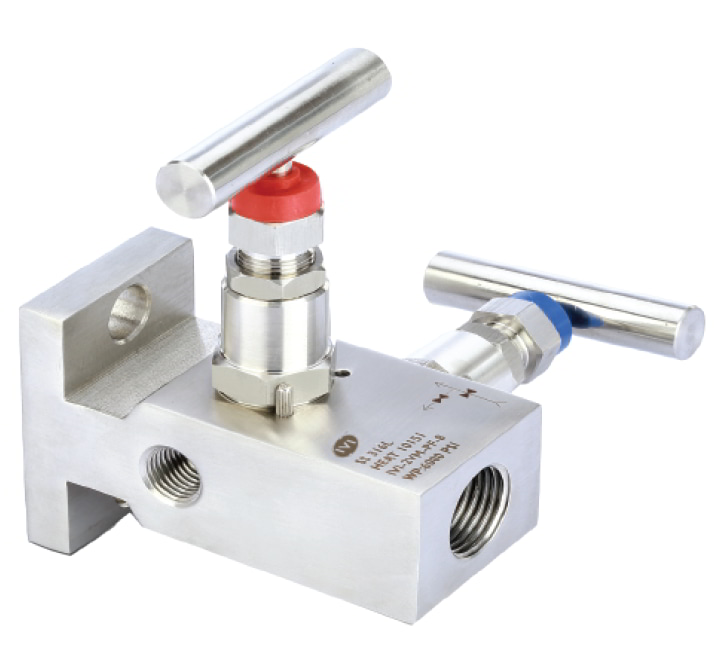
The 2 Valve Manifold T Type – Pipe to Flange 1/2” Female NPT is designed to provide a reliable and compact solution for connecting impulse lines to pressure transmitters and gauges. This manifold allows operators to safely isolate instruments from the process for maintenance, calibration, or testing, without the need to shut down the system. The T-type configuration features two valves that control flow to and from the instrument, enabling efficient block, bleed, and vent operations.
The pipe-to-pipe design ensures a direct connection to the piping system, which reduces potential leak points and simplifies installation. It is suitable for high-pressure applications, with a standard working pressure of 6000 PSI and options available for higher pressures. The manifold is built with a metal-to-metal body and bonnet seal for enhanced durability and temperature resistance, with materials that can comply with NACE MR 01 75 standards for corrosion resistance.
Additional features include a removable T-handle for low-torque operation, self-centering non-rotating stems for consistent shutoff, and a dust cap to prevent contamination. Packing is positioned below the stem threads to isolate the threads from the process media, and the stem’s rolled threads provide smooth operation and long life. The manifold is 100% factory tested for leakage and performance, ensuring reliable operation in critical oil and gas applications.
View Details
Plug with Equalizing Prong and Valve Sub-Assembly
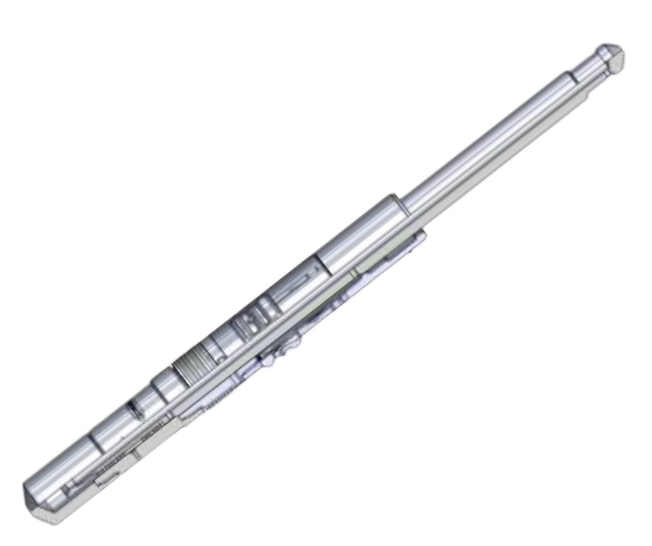
HOCA Oil Tools: Revolutionizing Downhole Operations with Plug with Equalizing Prong and Valve Sub-Assembly In the dynamic and demanding world of downhole operations within the oil and gas industry, the quest for innovation, efficiency, and safety is relentless. HOCA Oil Tools, a leading provider of specialized downhole slick line tools, meets this challenge head-on with our advanced Plug with Equalizing Prong and Valve Sub-Assembly. This tool is meticulously designed to enhance the functionality and safety of downhole operations, providing a solution that is both versatile and reliable. HOCA’s Plug with Equalizing Prong and Valve Sub-Assembly: Tailored for Optimal Performance Our Plug with Equalizing Prong and Valve Sub-Assembly is engineered for precision and durability, designed to address the complex needs of modern downhole activities. This innovative tool combines the functionality of a plug for secure sealing and isolation with the added advantage of an equalizing prong and valve mechanism. This integration allows for controlled pressure equalization, crucial in preventing potential downhole complications and ensuring the safety of the well and personnel. Experience the Difference with HOCA Oil Tools Choosing HOCA Oil Tools’ Plug with Equalizing Prong and Valve Sub-Assembly means opting for a product that stands at the confluence of innovation, quality, and safety. We are committed to providing solutions that not only meet the current demands of the oil and gas industry but also anticipate future challenges, ensuring our clients are equipped for success. Integrating our advanced plug assembly into your downhole operations signifies a move towards enhanced efficiency, safety, and control. With HOCA Oil Tools, you gain more than just a supplier; you gain a partner dedicated to supporting your operational goals with cutting-edge solutions and comprehensive service. Select HOCA Oil Tools for your downhole needs and leverage the advantages of our Plug with Equalizing Prong and Valve Sub-Assembly to optimize your operational outcomes. Partner with us and step into a new era of downhole operations, where efficiency, safety, and performance are paramount. With HOCA Oil Tools, empower your downhole activities with tools that redefine industry standards and drive your success in the competitive oil and gas landscape. View Details
Hydraulic Set Retrievable 5 ½” Production Packer
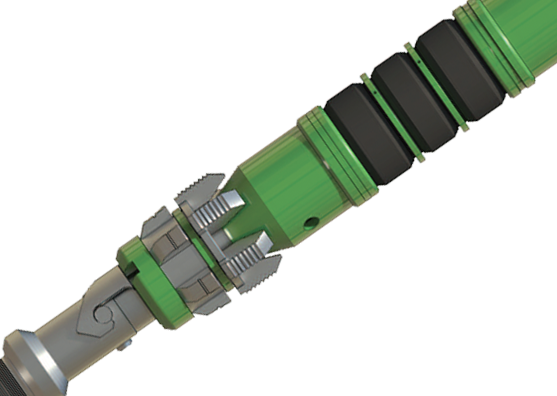
The HP-1 Hydraulic Set Retrievable Production Packer is a critical downhole tool that enhances well integrity, operational flexibility, and production efficiency. Designed for production, injection, and zonal isolation, it allows operators to securely seal the wellborewithout requiring tubing manipulation, reducing rig time and operational complexity. The hydraulic setting mechanism ensures precise deployment at any depth, making it especially valuable for low hydrostatic head wells and multi-packer completions.
This packer minimizes risk and enhances asset performance by providing a reliable, mechanically locked seal that maintains integrity despite pressure fluctuations or tubing movement. The hydraulic hold-down system and multiple packing elements ensure a secure, long-term seal, reducing intervention costs and the risk of production loss. Its retrievable design—with both straight-pull and optional rotational release—improves well servicing efficiency, reducing downtime and workover expenses.
By integrating the HP-1 packer into completion strategies, producers can achieve higher operational efficiency, improved well performance, and lower overall costs. Its versatile application in production and injection wells makes it a strategic investment for optimizing reservoir management and maximizing hydrocarbon recovery in both conventional and challenging well environments.
View Details
The Gauge Root Valve Female x Female connection is designed to control and isolate pressure instruments in process systems, particularly in oil and gas applications. It is rated for a standard working pressure of 6000 PSI, with the option for higher pressures upon request.
The valve is type-tested to MSS-SP-99 and designed according to ASME B16.34 for pressure-temperature ratings, ensuring reliable performance under demanding conditions.
The valve features a metal-to-metal body and bonnet seal, providing high-pressure and temperature sealing without the need for O-rings. It can operate in temperatures from -50°C to 230°C, with graphite sealing available for applications up to 500°C. The stem has a backseat for added security, and a self-centering, non-rotating tip ensures consistent shutoff and leak-free performance.
The packing is located below the stem threads, isolating the threads from process media, and the gland retainer is easily adjustable for maximum packing stability. The valve includes a removable T-handle for low-torque operation and a dust cap to prevent contamination. All valves are factory-tested with nitrogen at 1000 PSI to verify seat and packing leakage, with a maximum allowable leak rate of 0.1 sec/min.
Materials can be supplied to meet NACE MR 01-75 standards, and heat code traceability is provided. Additional tests, including vibration, temperature, and helium, are available on request. This design ensures long-lasting, reliable operation while protecting connected instruments and maintaining safety in high-pressure systems.
View Details
WellStar Tubing Retrievable Surface Controlled Subsurface Safety Valve 2-7/8 inch Halliburton
The WellStar® tubing-retrievable safety valve (TRSV) is a general production, hydraulically operated, downhole TRSV. The rugged hydraulic actuator of the WellStar safety valve provides durability and isolates the internal workings from well fluids through its unique construction. The metal-to-metal (MTM) sealing integrity in the body joints and closure mechanism places it in a premium valve category while featuring an economical price. Proven through years of installations, the simple, compact design enhances the valve’s overall reliability and provides for trouble-free operation. Applications » General production completions Features » Simple, compact design » Complete MTM well containment in the closed position (body/seat connections and flapper) » MTM flapper sealing (no resilient seal required) » Unique hydraulic actuation (single-piece piston/ flow tube) » Hydraulic chamber construction isolates the majority of the internal valve components and exposes them to clean hydraulic fluid » Positive debris barrier at both ends of flow tube in full open position » Maximized piston area and spring force » Flow tube construction prevents well solids and debris from settling on top of the piston *information referenced from supplier catalog. View Details
FH Hydrostatic Retrievable Packer
The FH™ is the industry-standard, hydrostatic-set and shear-release single-string retrievable packer. It can be used in the following applications: production, injection, and zonal isolation; single-string selective completions or dual-string completions with multiple packers; deviated wells or other applications when rotation for installation or removal is not beneficial; when it is beneficial to displace and set packers after the well is flanged up; when testing the tubing string before packer setting or to independently set and test individual packers in multiple packer completions is beneficial. The FH packer is hydraulically activated by applying tubing pressure against a plugging device below the packer. The packer requires only straight pull to release. The FHL™ is the large-bore version of the FH packer. Features, advantages and operational procedures are the same as those for the FH packers Accessories A tubing-plugging device must be positioned below the packer for actuation: E™ hydraulic-trip sub (Product Family No. H79928); CMU(D)™ sliding sleeve (Product Family Nos. H81079 and H81080) with blanking plug; Baker Hughes low-control seating nipple with blanking plug; hydraulic-setting devices (Product Family Nos. H46921, H79928 and H75917) View Details
SCSSSV – 2 3/8” Surface-Controlled Safety Valve
Available sizes: 2 3/8”, 2 7/8”, 3 1/2”, 4”, 4 1/2”, 5”, 5 1/2'” and 7”.
The 2 3/8" Surface-Controlled Subsurface Safety Valve (SCSSSV) is designed to shut in a well in the event of uncontrolled flow caused by equipment failure or damage. Installed in the upper wellbore, it provides emergency closure of the producing conduits to isolate the wellbore if there is a failure or damage to surface production control systems.
This valve uses a self-equalizing, surface-controlled, flapper-type mechanism that closes reliably when hydraulic control pressure is lost. The flapper is made from solid bar stock and has sealing surfaces located outside the flow path when open, which helps reduce erosion and extends the valve’s service life. It is rated for working pressures up to 10,000 psi.
The valve fits 2 3/8" (60.33 mm) tubing and is installed in landing nipples with seal bore options of 1.710" or 1.875". Valve internal diameter options are 0.62" or 0.75", allowing selection based on flow requirements. The wireline retrievable design permits servicing or replacement of major valve components without pulling the entire tubing string, reducing intervention time and operational disruption.
This valve is typically used in wells with smaller tubing sizes that require dependable emergency shut-in capability. Its design balances reliability, durability, and ease of maintenance to provide effective well control in a variety of well conditions.
View Details
HP-3 Hydraulic Set High Angle 6 5/8" 20-24 PPF Packer
Ballycatter HP-3 High Angle Packer
Available sizes: 5 1/2”, 6 5/8”, 7”, and 9 5/8”
The Ballycatter HP-3 is a hydraulic-set packer engineered for high-angle and deviated well applications, where conventional mechanical or wireline-set tools are not feasible. This packer is particularly suited for single or multi-zone completions, offering flexible deployment in complex well trajectories.
Unlike mechanical systems, the HP-3 requires no tubing movement to set. This enables full well control throughout the operation, as the tubing can be landed and the wellhead installed prior to circulating or displacing fluids.
Key Features:
• Reliable Setting Mechanism: Utilizes dual balanced pistons—one actuates downward to anchor the bi-directional slips, while the other moves upward to compress a three-element packing system. This simultaneous action ensures a secure set and pack-off.
• Three-Element Seal: The packing system uses dual-durometer rubber elements to ensure long-term sealing integrity across a range of downhole conditions.
• Slips & Housing: One-piece, bi-directional slips are housed in a shear-pinned chamber, protected by a full-diameter guide to prevent damage during deployment.
• Release Options: Features a dual-method release system:
• Straight pull via shearing of pre-set screws.
• Right-hand rotation (approx. 8 turns), followed by straight pull.
• Equalization & Retrieval: Built-in equalizing valve opens automatically during release to balance pressures and enable safe retrieval. A large-diameter bypass within the mandrel allows fluid to flow during retrieval, reducing swab effects on the packing elements.
The HP-3 is engineered for reliability, operational flexibility, and full well control—making it a practical choice for complex wellbore geometries.
View Details
Water Injection Safety Valve 4.25 inch
The WI retrievable injection valve is a high-performance, high-flow rate injection valve. High throughput is achieved by a unique valve configuration that minimizes turbulent and potentially erosive flow. Operation is not dependent on a specific flow rate, pressure, or setting depth, thus negating the need for adjustment over time. The valve incorporates a metal-to-metal valve and seat energized by the combination of an integral spring and well pressure acting from below. The WI injection valve can be deployed on a wireline lock or through-tubing pack-off device, providing flexibility not available with alternative injection valve systems. As a result of the simple design with fewer parts, redress and repair costs are considerably lower than those for other injection valve systems. Applications The WI injection valve is primarily used in water injection applications as an alternative to conventional tubing or wireline-set safety valves. The valve is also commonly used as a retrofit solution in water injectors in which a tubing to annulus leak has occurred. The valve can be deployed below the leak point to eliminate uncontrolled annulus pressure increases when the injection stops. Features » Compatible with all known lock systems » Dedicated designs to suit Halliburton EB0 intervention packers » Enhanced internal flow profile » Simple design and construction » Flow-loop testing performed to establish pressure drop versus pump rate *information referenced from supplier catalog. View Details
2.5″ Butterfly Bleed Air Valve
The 2.5″ Butterfly Bleed Air Valve is a critical component in the LM2500 gas turbine, responsible for regulating the flow of bleed air—compressed air extracted from the turbine’s compressor stage. This valve helps control internal pressures and temperatures, which is essential to maintain safe and efficient turbine operation.
The valve has an effective flow area of 2.5 square inches, allowing it to manage airflow precisely in smaller turbine setups or space-restricted environments. Its butterfly-shaped disc is permanently attached to the shaft, which ensures consistent movement and reliable control of air flow with minimal play or slippage.
One important feature is its fast response time—less than 320 milliseconds to complete a full open or close stroke. This quick action enables the turbine control system to rapidly adjust pressure levels, preventing overheating and reducing mechanical stress on turbine components.
The valve’s bearing shaft is robustly designed to handle frequent small movements, known as dither cycles, without premature wear. The bearings themselves are specifically engineered to support these high-cycle conditions, improving the valve’s durability and lifespan.
By efficiently managing bleed air, this valve helps protect the turbine from excessive pressure build-up and thermal stress, which can otherwise lead to damage or reduced efficiency. Its design also allows installation without requiring changes to the turbine’s hydraulic or electrical systems, making it suitable for retrofits or upgrades on existing LM2500 turbines.
In summary, the 2.5″ Butterfly Bleed Air Valve plays a vital role in controlling compressor bleed air in LM2500 turbines, balancing safety, performance, and durability within compact or smaller turbine applications.
View Details
Solar Panel capable of providing power to typical industrial monitoring and control systems
A solar panel, or solar module, is one component of a photovoltaic system. They are constructed out of a series of photovoltaic cells arranged into a panel. They come in a variety of rectangular shapes and are installed in combination to generate electricity. Solar panels are comprised of several individual solar cells which are themselves composed of layers of silicon, phosphorous (which provides the negative charge), and boron (which provides the positive charge). Solar panels absorb the photons and in doing so initiate an electric current. The resulting energy generated from photons striking the surface of the solar panel allows electrons to be knocked out of their atomic orbits and released into the electric field generated by the solar cells which then pull these free electrons into a directional current. This entire process is known as the Photovoltaic Effect. View Details
Thru-Tubing MatrixStixx 2.25 inch
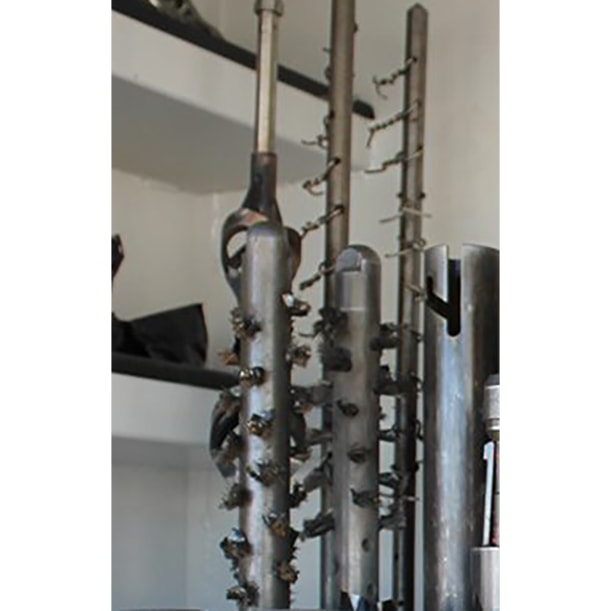
Introducing Thru-Tubing Acid Stimulation by StimStixx Technologies - Revolutionize Your Operations! Are you looking for a quick, efficient, and environmentally friendly acid stimulation solution? Look no further! StimStixx Technologies is proud to present our cutting-edge Thru-Tubing Acid Stimulation system, designed to meet all your needs with ease and precision. Our innovative product offers a hassle-free deployment process via electric wireline, ensuring a seamless integration into your operations. Available in both HCL and HCL/HF acid blends, our solution guarantees the utmost effectiveness in achieving your desired results. At the heart of our Thru-Tubing Acid Stimulation system lies a specially formulated solid acid stick. Whether you're using slickline, wireline, coil tubing, or tractor-conveyed methods, our solid acid stick delivers heated acid vapor with pinpoint accuracy directly to the zone of interest. This groundbreaking approach ensures increased penetration and contact with the formation, thanks to the highly reactive nature of the heated acid vapor. Not only does our system deliver exceptional performance, but it also provides numerous benefits that will enhance your operations in more ways than one. By utilizing our Thru-Tubing Acid Stimulation, you'll experience reduced CO2 emissions, lower downtime, and simplified implementation. The increased precision and fast-acting nature of our solution will save you valuable time and resources, while also reducing manpower, rig, and equipment costs. Additionally, the elimination of contaminated effluent means a reduced risk of spills at the surface and eliminates the need for post-treatment clean-up or disposal. Join the countless businesses already benefiting from our Thru-Tubing Acid Stimulation system. Embrace efficiency, precision, and environmental responsibility with StimStixx Technologies. Contact us today to revolutionize your operations and unlock a new level of success! View Details
LM2500 Wrench for HPT Coupling Nut
The LM2500 Wrench – Horizontal/Vertical HPT Coupling Nut is a specialized maintenance tool designed for the LM2500 gas turbine engine. This wrench is used to install and remove the High Pressure Turbine (HPT) coupling nut, a critical component that secures the HPT rotor to the turbine shaft.
Removing and installing the coupling nut is necessary during major maintenance activities like rotor inspections, repairs, or when replacing key turbine components. Proper removal allows technicians to safely separate the rotor from the shaft, while correct installation ensures the rotor is securely fastened for reliable engine operation.
What makes this wrench stand out is its ability to work with both horizontal and vertical engine positions. This means technicians can use it easily no matter how the engine is set up, making maintenance simpler and more flexible.
Built to precise standards and made from tough materials, the wrench ensures the right amount of force is applied when tightening or loosening the coupling nut. This careful control helps protect the engine’s important parts from damage.
By using this wrench, maintenance teams can complete their work faster and with confidence, reducing downtime and keeping the turbine reliable. It’s an essential tool that supports the smooth operation of the LM2500 engine.
View Details
Gauge Root Valve – Female x Female – 1/4” NPT – 6000 PSI – ASME B16.34 / ISO 9001 / PED / ATEX
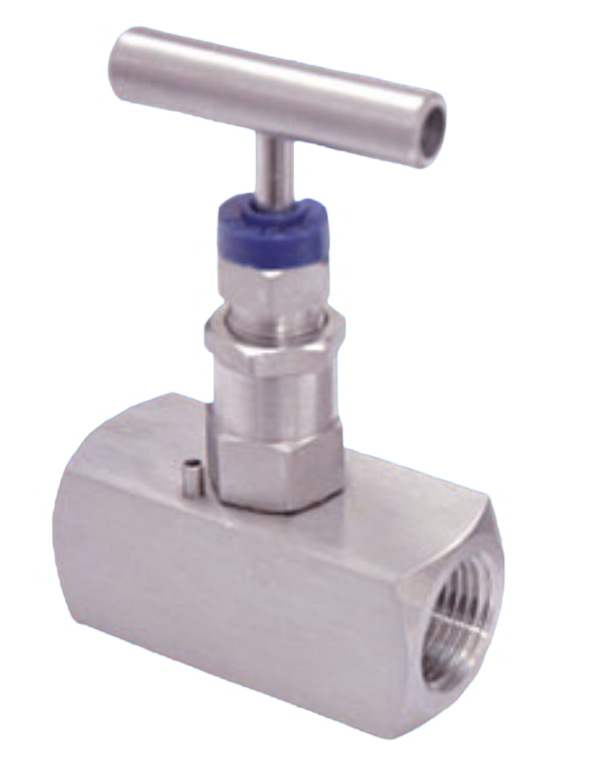
The Gauge Root Valve Female x Female 1/4” NPT is a small but essential valve used to protect and control pressure instruments, like gauges and transmitters, in fluid or gas systems. Its female x female connection allows it to connect directly to two male-threaded fittings, making installation simple and reducing the risk of leaks.
This valve can handle pressures up to 6000 PSI and operates safely across a wide temperature range. The internal stem is designed with a back seat and the packing is placed below the threads, keeping the threads protected from the process media. A self-centering, non-rotating tip ensures a tight seal every time, preventing leaks.
It also features a removable “T” handle for easy turning with low effort, smooth rolled threads for long-lasting use, and a dust cap to prevent dirt or debris from entering the valve. Each valve is factory tested with nitrogen at 1000 PSI to ensure it seals correctly and operates reliably. This type of valve is ideal for isolating and protecting pressure instruments in chemical, oil and gas, and industrial processes.
View Details
Capillary Deliquification Safety System
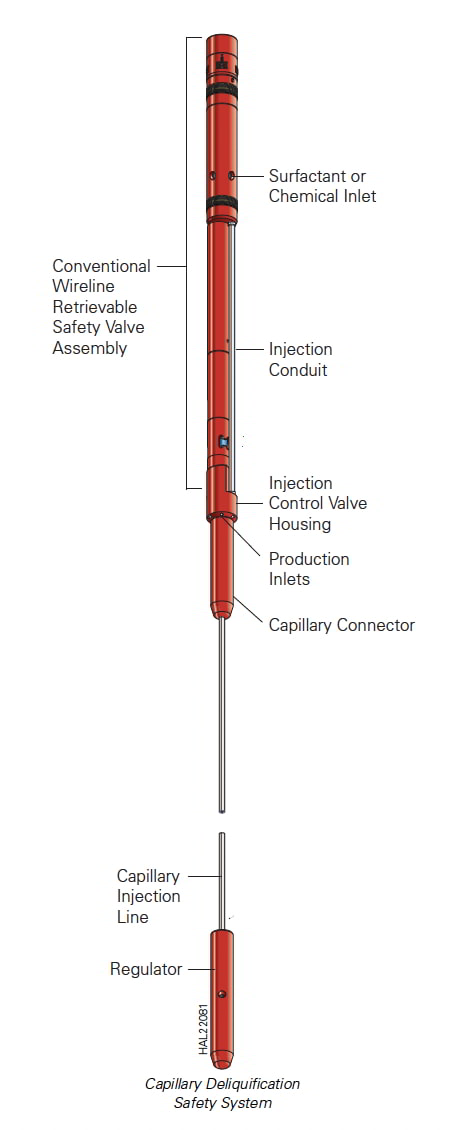
In mature fields, liquid loading of gas wells is a common problem. In the short term, this can lead to decreased production, and if not managed correctly, can ultimately reduce overall reservoir recovery. One option for managing the problem is the use of surfactants as foaming agents to artificially unload the well. The preferred method would allow automatic and continuous delivery of these surfactants. The capillary deliquification safety system facilitates delivery of surfactants or other chemicals and liquids to a specified point within the completion, while maintaining the purpose and functionality of a downhole safety device. The deliquification safety system can be installed in an existing completion with the appropriate safety valve landing nipple (SVLN) profile — either a dedicated SVLN or within a tubing-retrievable safety valve (TRSV) in which the control system communication is activated to operate an installed wireline-retrievable safety valve (WLRSV). The system’s injection feature operates via the WLRSV control system. When control-line pressure reaches a predetermined pressure, a regulator installed below the WLRSV opens, allowing chemical injection to occur. Use of the existing control line provides a cost-effective method of installing a semi-permanent injection system without the need to modify the wellhead. The WLRSV is designed to shut in the well at a point below the surface and is opened with hydraulic control pressure. In this application, the applied chemical injection pressure maintains the safety valve in the open position during injection, and the valve closes when injection is stopped. Applications » Chemical injection for gas well deliquification or scale treatment purposes » Available for landing nipples/TRSVs with 2.75-in. and larger sealbores Features » Field-proven WLRSV » Equalizing or non-equalizing-type flapper closure *information referenced from supplier catalog. View Details
4-1/2 inch SP SCSSSV Tubing Retrievable
The SP™ tubing-retrievable safety valve (TRSV) is a single rod-piston non-elastomer flapper valve designed for hostile environments and extended life applications where ultimate reliability is required. Potential leak paths within the valve are minimized with the single rod-piston design. The piston achieves a metal-to-metal (MTM) seal at its uppermost and lowermost positions to seal well pressure from the control system. The SP valves incorporate flappers using spherical radius sealing surfaces that help greatly improve seal reliability. The spherical radius design provides full MTM sealing integrity. For applications where either the OD or ID is restrained, SP valves incorporate a contoured flapper. OD/ID relationships are improved by the contoured flapper design, which helps provide superior MTM sealing when compared to other forms of curved flapper technology. Applications » For applications requiring ultimate reliability and longevity, such as high-temperature/high-pressure, and subsea completions, or hostile well environments Features » Non-elastomer dynamic piston seals » MTM static seal at upper and lower piston positions » MTM body joints » Flow tube fluted guide » 100% MTM flapper » Concentric thrust bearing » Wiper ring on upper flow tube » Cleanout ports in flow tube’s upper end » Internal exercise profile » Flow tube shock absorber » MTM face seat at flow tube downstop » Setting depths to 9,000 ft (2743 m) » Critical components isolated from well debris with valve in open position » Area above flow tube free of solids buildup » Flow tube can be manipulated by slickline » Protected from high flow rate slam closures *information referenced from supplier catalog. View Details
The 3” Gas Fuel Isolation Valve is a solenoid-pilot actuated sleeve-style valve designed specifically for aero-derivative gas turbines. It features a three-inch outlet flange and operates on dual voltage ranges of 24 or 95-140 VDC, providing flexibility for various power systems without compromising performance.
Constructed entirely from stainless steel, the valve complies with NACE standards for corrosion resistance, ensuring durability in harsh environments. It is engineered to withstand heat soak temperatures up to 300°F, making it suitable for high-temperature applications commonly found in turbine fuel systems.
Certified to CE-ATEX standards for Zone 2, Group IIA, Category 3, T3 temperature class, the valve is qualified for use in hazardous and explosive atmospheres, enhancing operational safety.
This valve acts as a critical safety device by isolating the fuel supply during emergency shutdowns or fuel system failures, preventing potential damage to the turbine. Typically deployed in pairs, it offers dual-redundancy to maintain safety even if one valve fails.
The valve is widely used in industrial gas turbine fuel systems where rapid and reliable fuel isolation is critical. Its design supports fast shutoff to prevent damage caused by fuel control failures or stuck throttle conditions. The valve’s durability and compliance with industry standards make it a dependable choice for maintaining operational safety in challenging environments.
View Details
7" Mech-1 Single Grip Mechanical Set Packer for 17-20 PPF Casing
Ballycatter Mech-1 Single Grip Mechanical Packer
Available sizes: 5”, 5 1/2”, 6 5/8”, 7”, 9 5/8”, and 10 3/4”
The Ballycatter Mech-1 is a retrievable, compression-set mechanical packer designed for low-pressure production, casing integrity testing, and well intervention operations. Built with a long-stroke mandrel and a large bypass area, it allows unrestricted fluid circulation while running in hole. The bypass is controlled by a face-seal valve that automatically closes during setting, fully isolating the annulus once the packer is engaged.
Setting is achieved via a mechanical J-slot system using standard right-hand (or optional left-hand) rotation. Once the tool is positioned, applying set-down weight activates the slips and compresses the packing elements, sealing off the formation below. Retrieval is straightforward—lifting the tubing string engages the J-slot and reopens the bypass valve for safe circulation and recovery.
The Mech-1 features a rocker-type slip design for positive casing engagement and can be repositioned if required. Its straightforward operation, reliable sealing, and retrievability make it a practical solution for conventional production completions, casing leak diagnostics, and test operations where hydraulic setting is not required.
View Details
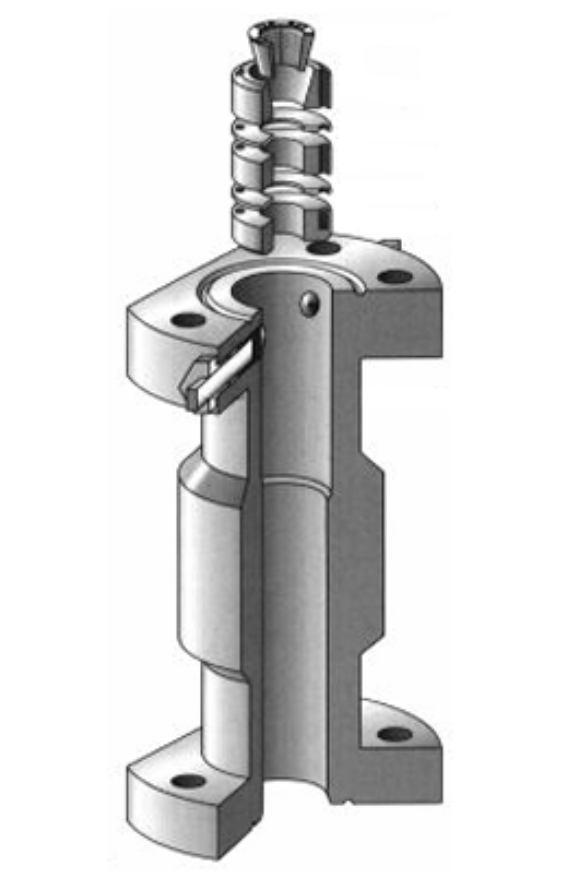
3 1/16" Coiled Tubing Hanger 10M Pressure Rated
Coiled tubing is a continuous, flexible steel pipe widely used in well intervention and maintenance operations, allowing operators to clean, stimulate, log, or deploy tools inside the wellbore without shutting down production. This capability makes coiled tubing an efficient and cost-effective solution to maintain well health and improve productivity.
The 3 1/16” 10M Coiled Tubing Hanger is designed to support larger diameter coiled tubing and heavier tool strings required for more demanding or deeper well operations. The size “3 1/16”” refers to the wellhead bore size that the hanger fits into, while the “10M” indicates its pressure rating of 10,000 psi, meaning it is built to withstand high-pressure environments typically found in advanced well interventions.
This hanger is rated to maintain pressure containment during interventions in high-pressure wells, ensuring safe operations and protecting well integrity. It accommodates coiled tubing sizes ranging from 1 inch up to 1¾ inches outer diameter, which allows the deployment of heavier and more complex downhole tools needed for challenging well conditions. Its rugged construction is engineered to withstand mechanical stresses from heavy tool strings and high pressures without compromising performance.
Designed with flanged connections compatible with API 6B and 6BX standards, the hanger integrates seamlessly with existing wellhead equipment, simplifying installation and maintenance. An important feature of this model is the wireline entry sub, which guides wireline tools into the tubing bore, facilitating additional intervention tasks. The wireline entry sub also provides a secondary annulus seal that prevents fluid or gas leaks and restricts any upward movement of the tubing, enhancing operational safety.
The hanger maintains a secure secondary annulus seal around the tubing, which is critical for isolating pressure zones and protecting against leaks during live well operations. This versatility makes the hanger suitable for various well intervention activities such as well cleanouts, acidizing, logging, and tool deployment, particularly in situations where larger tubing and higher pressures are involved.
The 3 1/16” size strikes a balance between tubing size and wellhead bore capacity. It is larger than smaller hanger sizes, allowing operators to use coiled tubing capable of handling more demanding operational requirements. Its high-pressure rating ensures safe operation in wells where pressures can reach or exceed 10,000 psi, common in deeper or complex reservoirs.
View Details