Don't have an account? Join for free
Cart
Gas Turbine LM2500+ DLE 50Hz 2x CC
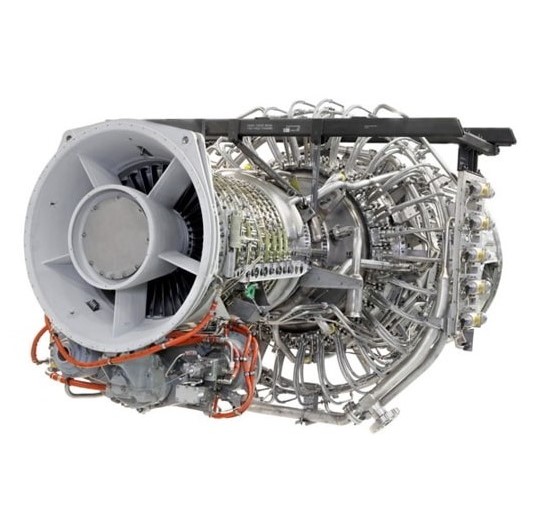
The LM2500+ DLE 50Hz Combined Cycle 2x1 system combines two LM2500+ dry low emissions gas turbines, each coupled with a Heat Recovery Steam Generator (HRSG), to power a single steam turbine. This high-efficiency configuration is engineered to meet larger capacity needs, delivering reliable, low-emission power with rapid startup capability.
At the core of this system is the LM2500+, an uprated version of the LM2500, featuring a 17-stage compressor. The addition of a forward-stage blisk increases airflow by approximately 20% at full power. This enhancement boosts the compressor pressure ratio from 18:1 to 23.1:1, contributing to higher overall efficiency and output.
Downstream of the compressor, the engine incorporates a fully annular combustor with externally mounted fuel nozzles, a two-stage air-cooled high-pressure turbine driving the compressor and gearbox, and a six-stage low-pressure power turbine aerodynamically coupled to extract energy from the high-energy exhaust flow. To accommodate the increased output, key design changes were made to the power turbine, including aerodynamic blade optimizations and rotor strengthening.
The Dry Low Emissions (DLE) system plays a crucial role in minimizing environmental impact. Its triple annular combustor lowers flame temperature, reducing NOx and CO emissions without water or steam injection—improving both thermal efficiency and maintainability.
Together, this 2x1 configuration offers a scalable solution for utility and industrial operators seeking clean, efficient, and dependable power generation at higher capacities.
View Details
Hydraulic Control Line for SCSSSV
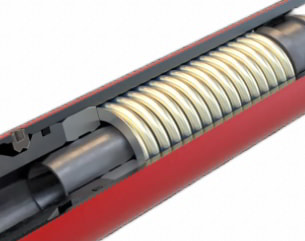
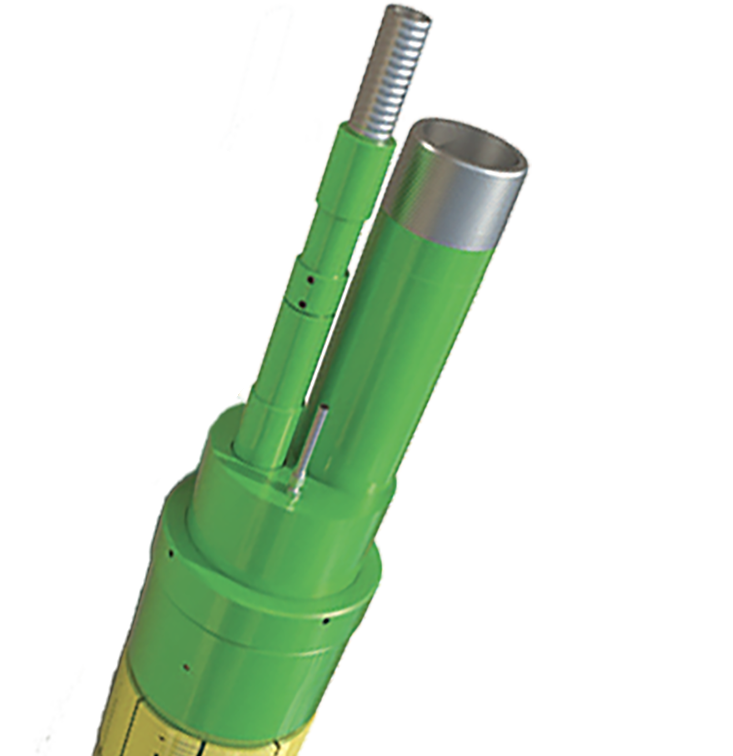
Control lines are assembled on reels filled with fluid and pressure tested. Reel spools are designed so pressure can be applied at any time during running to check control-line integrity. Hydraulic control lines are made from two different manufacturing processes that conform to ASTM specifications: (1) seamless and (2) welded and sunk. Seamless Tubing is fabricated from a solid rod. The process involves forcing a mandrel or punch through the solid rod to form a tube. The continuous lengths available from this process are limited. Welded and Sunk Tubing is fabricated from flat stock. The process involves rolling the stock into a cylinder and welding the seam. Once in tube form, it is drawn through a die to achieve the proper OD. This process is considerably less costly than the seamless method and yields lines available in continuous lengths with no butt-welded connections. Optional single and dual lines with protective encapsulation are available. The encapsulated material is suitable for use in most annular fluids. Encapsulation protects lines from damage during installation and simplifies the running process. The dual-encapsulated line can be used with “balanced” SCSSVs or injection wells where multiple lines are required. As an option, a protective cable between two control lines is available. Single-encapsulated lines have no cable; however, a protective cable on either side of the control line can be ordered. Installation Control lines are attached to subsurface controls with appropriate tube fitting and pressure tested before running into the wellbore. Line spools are hung in the derrick, and control line is paid out as tubing is run. Applications » For SCSSVs Features » Different lengths of control line in continuous coil » Stainless and alloy 825 materials offered » Control lines offered in various encapsulated options » All control lines conform to ASTM specifications » Lines available in other sizes on request *information sourced from manufacturer View Details
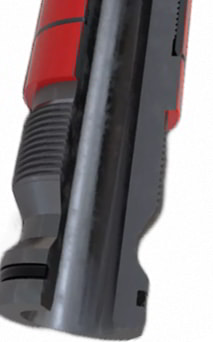
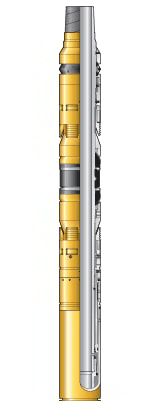
The 2” Tubing End Locator is a mechanical downhole tool used to determine the physical end of production tubing during well intervention or maintenance activities. It is a critical component in operations where it is necessary to confirm tubing length or avoid tool deployment beyond the tubing’s bottom, such as during setting packers, logging, or fishing operations.
In a typical well setup, production tubing does not always terminate at a predictable or recorded depth. The tubing end locator provides a reliable way to identify the true end of the tubing string by using a spring-loaded finger mechanism that reacts upon reaching the tubing’s bottom. This reaction is detectable at the surface, providing the operator with a clear and immediate indication without relying solely on depth readings or assumptions.
This specific model is intended for tubing sizes ranging from 2" to 2-1/2" outer diameter. It is designed with a maximum tool O.D. of 1.750", which ensures clearance inside the tubing, and includes a 1.375" fishing neck, a standardized feature that allows the tool to be retrieved if necessary using conventional pulling tools.
Threading is provided on both ends for integration into tool strings: a 15/16 - 10 UN pin connection on top and a 1 - 11.1/2 NPT box connection at the bottom. This allows the locator to be run inline with other mechanical or wireline-conveyed tools. These standard thread forms ensure compatibility with widely used downhole equipment and deployment systems.
Constructed from high-strength alloy steel, the tool is designed to withstand the mechanical stress, temperature variations, and chemical exposure typical in oil and gas well environments. While not a pressure-control device, its materials and design are selected to perform reliably under downhole pressure conditions encountered during standard intervention work.
The 2” Tubing End Locator provides a mechanical means of depth verification that does not rely on electronics, sensors, or depth counters. It is a simple, durable, and effective tool for reducing uncertainty and improving operational safety in the wellbore.
View Details
Isolation Packer HP-2 Hydraulic Set 5 1/2" Packer 20-23 PPF
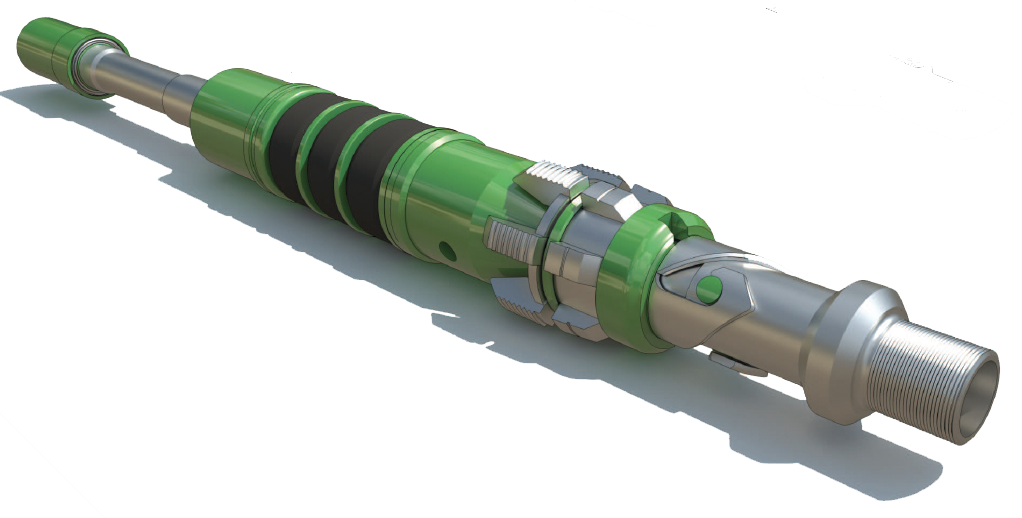
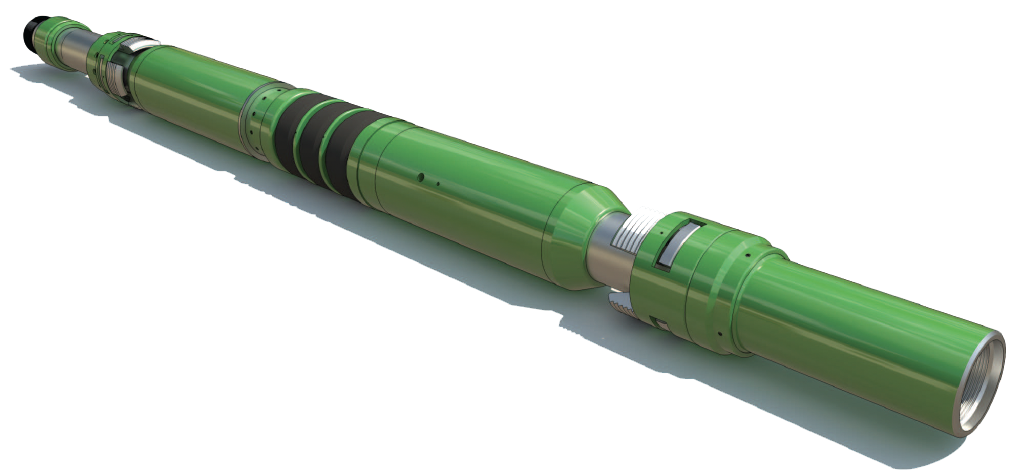
The Ballycatter WC-HP-2 Isolation Packer is a hydraulic-set, single-string tandem packer designed for multiple-zone well completions.
Its primary function is to act as the upper packer in a stacked packer system, working in conjunction with a lower hydraulic retrievable packer to create a sealed isolation zone between them.
This allows for selective treatment, injection, or production within specific well intervals. Additionally, the WC-HP-2 packer can be used to seal off casing holes or perforations, providing an effective solution for low-pressure well applications.
View Details
Welding Cable Double Insulated AWG 4
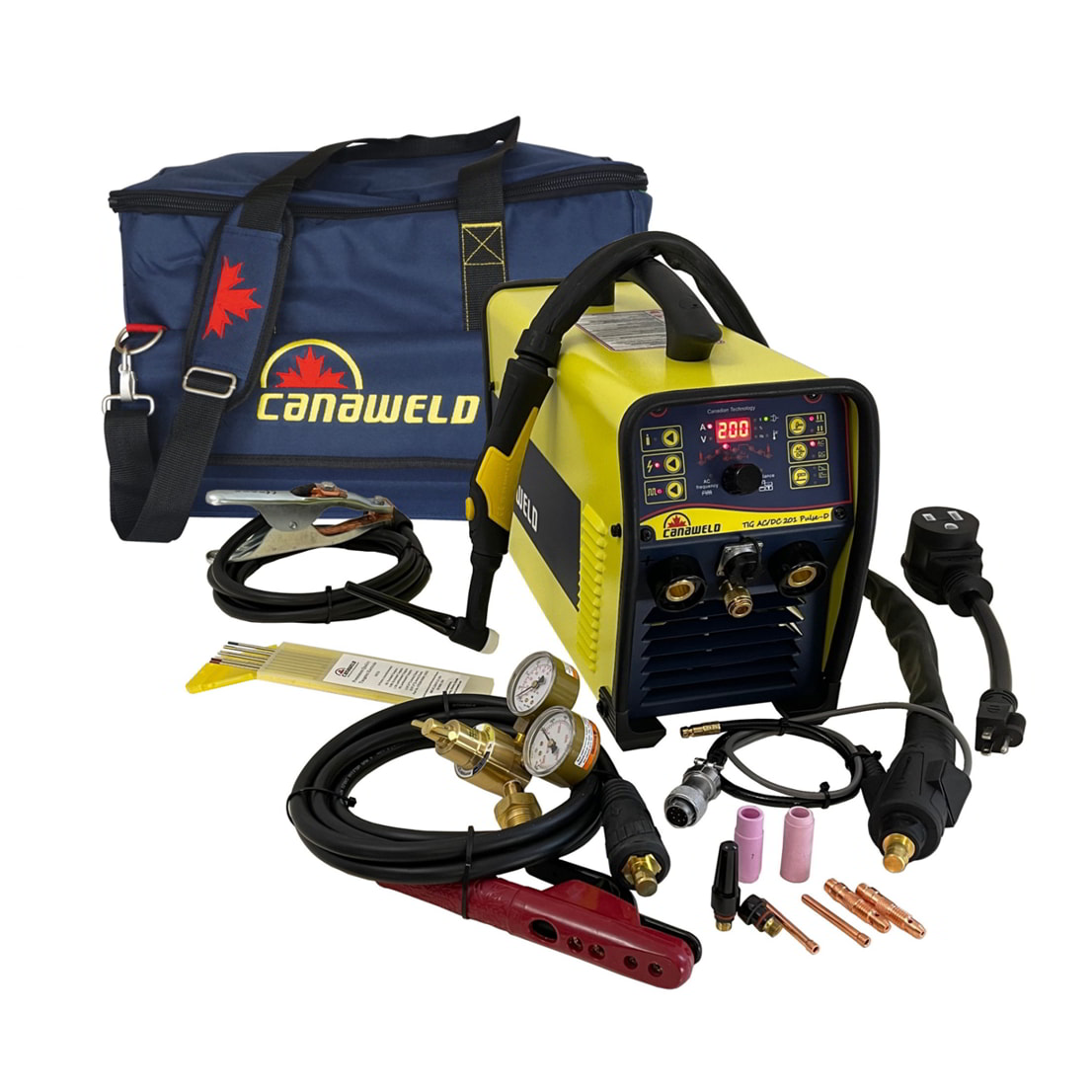
Introducing Canaweld's Double Insulated Welding Cable - The Ultimate Powerhouse for Your Welding Needs! When it comes to welding, having the right equipment is crucial for achieving superior results and ensuring safety. At Canaweld, we take pride in crafting high-quality welding accessories designed to meet the rigorous demands of the oil and gas industry. Our Welding Cable Double Insulated AWG 4 (21.2 mm2) is a game-changer that will elevate your welding experience to new heights. Uncompromising Quality: Our welding cables are meticulously engineered to deliver unmatched performance and reliability. Crafted from 100% pure copper, these premium welding cables boast a Rope Lay Class K Stranded Soft Drawn Bare Copper Conductor per ASTM B-172. This construction ensures optimal conductivity, allowing for seamless power transfer during your welding operations. Safety First: At Canaweld, we prioritize safety above all else. That's why our welding cables are double insulated, offering enhanced protection and peace of mind. With a nominal voltage of up to 600 V and a test voltage of 3000 V, you can trust our cables to handle the toughest welding tasks with ease. Built to Withstand the Toughest Conditions: We understand that welding environments can be harsh and demanding. That's why our welding cables are engineered to be highly resistant to cuts, tears, and abrasions. They are designed to withstand exposure to oil, solvents, and chemicals, ensuring their durability and longevity even in the most challenging workspaces. Unmatched Flexibility: Work with ease and efficiency using our flexible welding cables. With a minimum bending radius of 4 times the cable diameter, our cables offer excellent maneuverability, allowing you to navigate through tight spaces and challenging welding positions effortlessly. Compliant with Environmental Standards: At Canaweld, we are committed to environmental responsibility. Our welding cables are RoHS compliant, ensuring they adhere to strict environmental standards and are free from harmful substances. Elevate Your Welding Performance: Upgrade your welding setup with Canaweld's Double Insulated Welding Cable AWG 4 (21.2 mm2) and experience the pinnacle of welding excellence. Trust in Canaweld's expertise to deliver top-of-the-line welding accessories that enhance safety, productivity, and performance. With Canaweld by your side, you can confidently take on any welding project in the oil and gas industry. Invest in the best for your welding endeavors - choose Canaweld. View Details
Well Servicing Pipe Wrenches for torquing tubulars and downhole tools
The adjustable pipe, or Stillson, wrench is used to hold or turn pipes or circular bars. This wrench has serrated jaws, one of which is pivoted on the handle to create a strong gripping action on the work. When torquing with a pipe wrench remember the tool push phrase - 24 tight and 48 loose! View Details
Ambient Storm Choke Valve 4 1/2 inch
Storm Choke® H safety valves are ambient-type, wireline retrievable valves that are normally closed and precharged with a set dome pressure. When the well flowing pressure drops below the predetermined dome-pressure charge, as a result of a rupture in the flowline or surface equipment, the dome pressure and valve spring are designed to close the valve, shutting in the well. The H valve is used in wells producing large volumes of abrasive fluids. Its large bore is not restricted by a flow bean. The valve is designed to resist pressure surges. A metal-to-metal (MTM) ball and seat is used as the primary closure mechanism. The H valve is ideal for protecting wells with declining bottomhole pressure because this valve is tubing pressure sensitive instead of velocity sensitive. To reopen, the valve pressure must be fully equalized either by applying pressure in the tubing from the surface or by running a prong to allow equalization from below. The valve will reopen when the tubing pressure acting on the internal piston area overcomes the dome charge. Applications » Wells producing large volumes of abrasive fluids » Wells with declining bottomhole pressure » Wells with no provisions for surface-controlled valves Features » Large bore not restricted by a flow bean » MTM ball and seat » Designed to resist pressure surges *description excerpted from manufacturers catalogue. View Details
ESP Straight Pull 7" HS Packer
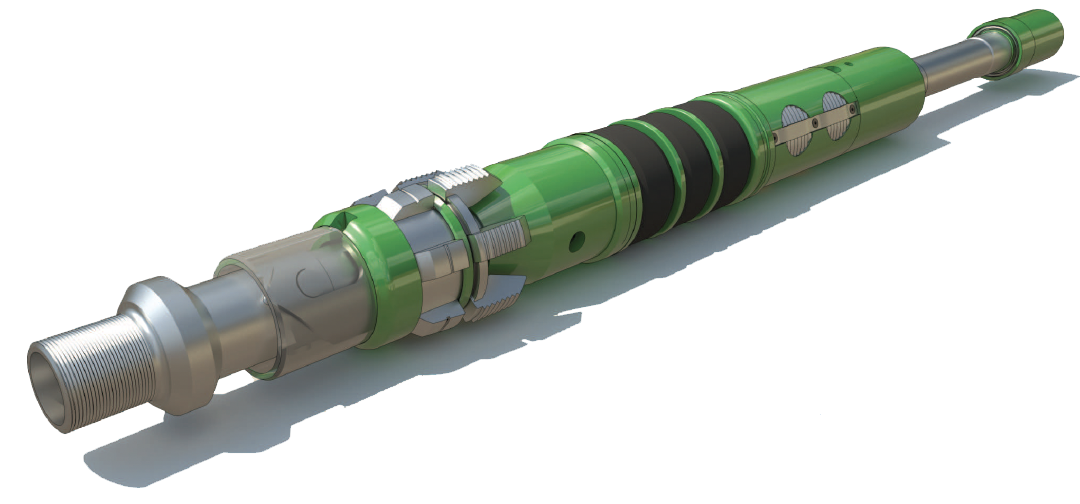
The Ballycatter Model WC-ESP Straight Pull 7” Packer is a hydraulic-set production packer built for ESP completions in 7” casing, offering secure wellbore isolation and efficient ESP deployment. Its pass-through section ensures uninterrupted power delivery to the ESP unit, while the bi-directional slips anchor the packer against pressure fluctuations and tubing movement. Designed for high-pressure and high-temperature wells, its single-piece mandrel construction and Acner Array Packing Element provide exceptional durability and sealing reliability.
The WC-ESP Straight Pull 7” Packer is set hydraulically by pressurizing the tubing against a plugging device, locking the packer in place for long-term performance. The straight pull retrieval mechanism enables fast and hassle-free removal, reducing intervention time and operational costs. Compatible with all major cable pack-off or feed-thru devices, this packer is a versatile, high-performance solution for ESP completions in medium-sized casing applications.
View Details
4-1/2 inch SP SCSSSV Tubing Retrievable
The SP™ tubing-retrievable safety valve (TRSV) is a single rod-piston non-elastomer flapper valve designed for hostile environments and extended life applications where ultimate reliability is required. Potential leak paths within the valve are minimized with the single rod-piston design. The piston achieves a metal-to-metal (MTM) seal at its uppermost and lowermost positions to seal well pressure from the control system. The SP valves incorporate flappers using spherical radius sealing surfaces that help greatly improve seal reliability. The spherical radius design provides full MTM sealing integrity. For applications where either the OD or ID is restrained, SP valves incorporate a contoured flapper. OD/ID relationships are improved by the contoured flapper design, which helps provide superior MTM sealing when compared to other forms of curved flapper technology. Applications » For applications requiring ultimate reliability and longevity, such as high-temperature/high-pressure, and subsea completions, or hostile well environments Features » Non-elastomer dynamic piston seals » MTM static seal at upper and lower piston positions » MTM body joints » Flow tube fluted guide » 100% MTM flapper » Concentric thrust bearing » Wiper ring on upper flow tube » Cleanout ports in flow tube’s upper end » Internal exercise profile » Flow tube shock absorber » MTM face seat at flow tube downstop » Setting depths to 9,000 ft (2743 m) » Critical components isolated from well debris with valve in open position » Area above flow tube free of solids buildup » Flow tube can be manipulated by slickline » Protected from high flow rate slam closures *information referenced from supplier catalog. View Details
5 1/2" Mech-1 Single Grip Mechanical Set Packer for 13-15.5 PPF Casing
Ballycatter Mech-1 Single Grip Mechanical Packer
Available sizes: 5”, 5 1/2”, 6 5/8”, 7”, 9 5/8”, and 10 3/4”
The Ballycatter Mech-1 is a retrievable, compression-set mechanical packer designed for low-pressure production, casing integrity testing, and well intervention operations. Built with a long-stroke mandrel and a large bypass area, it allows unrestricted fluid circulation while running in hole. The bypass is controlled by a face-seal valve that automatically closes during setting, fully isolating the annulus once the packer is engaged.
Setting is achieved via a mechanical J-slot system using standard right-hand (or optional left-hand) rotation. Once the tool is positioned, applying set-down weight activates the slips and compresses the packing elements, sealing off the formation below. Retrieval is straightforward—lifting the tubing string engages the J-slot and reopens the bypass valve for safe circulation and recovery.
The Mech-1 features a rocker-type slip design for positive casing engagement and can be repositioned if required. Its straightforward operation, reliable sealing, and retrievability make it a practical solution for conventional production completions, casing leak diagnostics, and test operations where hydraulic setting is not required.
View Details
SSV 4.51 inch for Water Injection Wells
The WI retrievable injection valve is a high-performance, high-flow rate injection valve. High throughput is achieved by a unique valve configuration that minimizes turbulent and potentially erosive flow. Operation is not dependent on a specific flow rate, pressure, or setting depth, thus negating the need for adjustment over time. The valve incorporates a metal-to-metal valve and seat energized by the combination of an integral spring and well pressure acting from below. The WI injection valve can be deployed on a wireline lock or through-tubing pack-off device, providing flexibility not available with alternative injection valve systems. As a result of the simple design with fewer parts, redress and repair costs are considerably lower than those for other injection valve systems. Applications The WI injection valve is primarily used in water injection applications as an alternative to conventional tubing or wireline-set safety valves. The valve is also commonly used as a retrofit solution in water injectors in which a tubing to annulus leak has occurred. The valve can be deployed below the leak point to eliminate uncontrolled annulus pressure increases when the injection stops. Features » Compatible with all known lock systems » Dedicated designs to suit Halliburton EB0 intervention packers » Enhanced internal flow profile » Simple design and construction » Flow-loop testing performed to establish pressure drop versus pump rate *information referenced from supplier catalog. View Details
Dump Truck for industrial construction projects
There are many different types of dump trucks available including; Standard Dump Truck, Tri-Axle Dump Truck, Superdump Truck, Truck & Transfer, Dump Trailer, Semi-End Dump Truck, Side Dump Truck, Bottom Dump, Belly Dump, Double Bottom, Double Belly Dump. From hauling material to removing demolition waste, these dump trucks help sites effectively create a clear workspace for any project. View Details
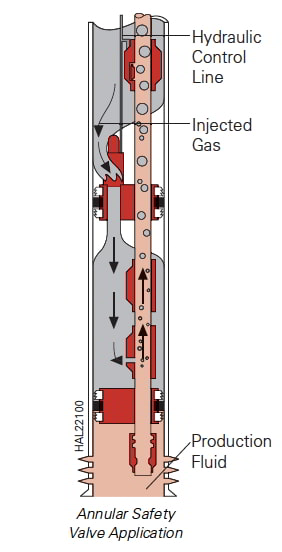
Surface Controlled Annular Vent and Sleeve Valve 2 inch
An annular vent sleeve valve communicates between the casing annulus and producing formation. The valve is a hydraulically operated sliding sleeve device like a surface controlled subsurface safety valve with a hydraulic piston and a power spring to maintain the valve in a normally closed position. The valve is used with a bull plug on top or as an annular safety valve by providing annular bypass while control pressure is applied. With an electrical feedthrough device, this valve functions through a single packer mandrel as an electric power cable passage and annular bypass. On a dual hydraulic packer, the valve operates by a common hydraulic control line that sets the packer and operates the tubing-retrievable safety valve. Hydraulic pressure from the control line shifts the valve open to create a flow path across the packer in the annulus. Spring force closes the valve upon loss of control-line pressure to the piston. If the valve becomes inoperable or closed, an emergency shear feature allows fluid to be pumped into the producing formation from the annulus. Applications » Gas lift and electric submersible pump situations Features » Accurate fluid level shot during pumping because of large ported area through the vent sleeve » Maximum gas vent flow area allows increased gas flow rates and lower circulating pressures » Valve will shut off flow from either direction — production or injection *description excerpted from manufacturers catalogue. View Details
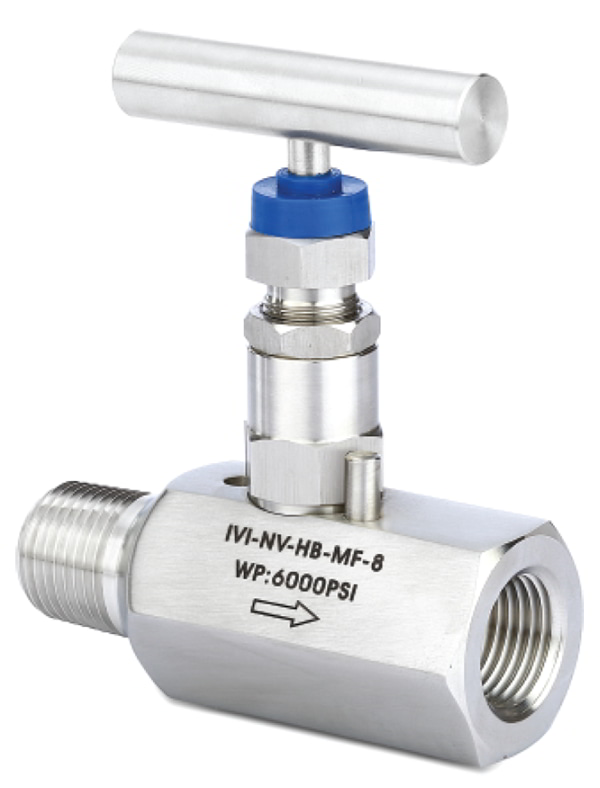
Gauge Root Valve – Male x Female – 1/4” NPT – 6000 PSI – ASME B16.34 / ISO 9001 / PED / ATEX
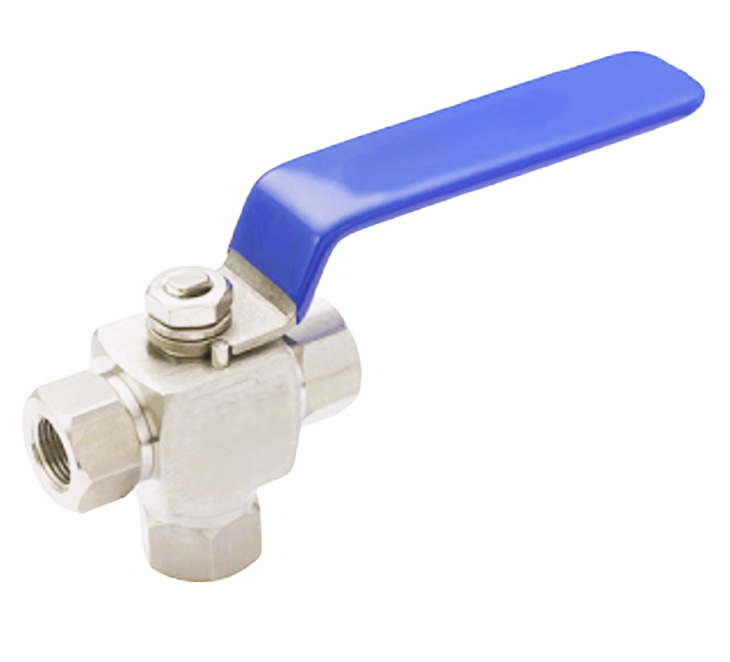
The Gauge Root Valve Male x Female 1/4” NPT is designed to provide reliable isolation and control for pressure measurement instruments in chemical, petrochemical, and oil and gas applications. It allows a secure connection between the process line and pressure gauges, ensuring accurate readings while preventing backflow and leakage. This size is commonly used where compact instrumentation connections are needed, offering precise control in tight piping configurations.
The valve is constructed and tested according to ASME B16.34 for pressure and temperature ratings and complies with ISO 9001, PED, and ATEX standards, confirming quality and suitability for use in hazardous or pressurized environments. It has a standard working pressure of 6000 PSI, with higher pressures available upon request. The metal-to-metal body and bonnet seal ensures high-pressure and temperature performance, and the self-centering, non-rotating stem tip provides consistent shutoff for leak-free operation.
Additional design features include a simple, adjustable gland retainer for stable packing, a back seat for added security, a removable T-handle for low torque operation, and a dust cap to protect the stem from contamination. All valves are 100% factory tested for seat and packing leakage using nitrogen gas at 1000 PSI, ensuring reliable performance. This valve is ideal for isolating and protecting pressure measurement instruments.
View Details
2.5″ Butterfly Bleed Air Valve
The 2.5″ Butterfly Bleed Air Valve is a critical component in the LM2500 gas turbine, responsible for regulating the flow of bleed air—compressed air extracted from the turbine’s compressor stage. This valve helps control internal pressures and temperatures, which is essential to maintain safe and efficient turbine operation.
The valve has an effective flow area of 2.5 square inches, allowing it to manage airflow precisely in smaller turbine setups or space-restricted environments. Its butterfly-shaped disc is permanently attached to the shaft, which ensures consistent movement and reliable control of air flow with minimal play or slippage.
One important feature is its fast response time—less than 320 milliseconds to complete a full open or close stroke. This quick action enables the turbine control system to rapidly adjust pressure levels, preventing overheating and reducing mechanical stress on turbine components.
The valve’s bearing shaft is robustly designed to handle frequent small movements, known as dither cycles, without premature wear. The bearings themselves are specifically engineered to support these high-cycle conditions, improving the valve’s durability and lifespan.
By efficiently managing bleed air, this valve helps protect the turbine from excessive pressure build-up and thermal stress, which can otherwise lead to damage or reduced efficiency. Its design also allows installation without requiring changes to the turbine’s hydraulic or electrical systems, making it suitable for retrofits or upgrades on existing LM2500 turbines.
In summary, the 2.5″ Butterfly Bleed Air Valve plays a vital role in controlling compressor bleed air in LM2500 turbines, balancing safety, performance, and durability within compact or smaller turbine applications.
View Details
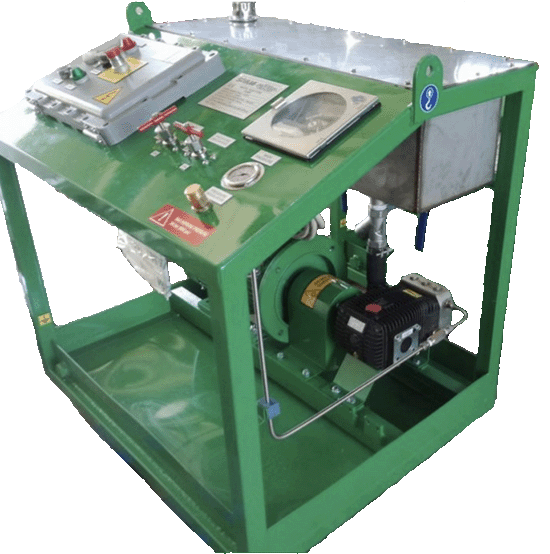
Hydraulic hoses for industrial equipment applications
Just like a hose you might use to water your garden, the purpose of a hydraulic hose is to allow fluid to flow from one component to another – in this case hydraulic fluid. The hose is the conduit that ensures the fluid is able to travel unimpeded and it's a vital part of keeping hydraulics systems moving. A hydraulic hose is used anywhere in a hydraulic system requiring a flexible connection between two fluid ports. A hydraulic hose is a synthetic rubber tube surrounded by some sort of flexible strength enhancing winding, such as metal or fiber, and then covered in another rubber carcass. Flow velocity is determined by both the hydraulic pump's flow rate and the hydraulic hose size. Changing the flow rate of the hydraulic pump but leaving the hydraulic hose size the same will affect flow velocity. Standard high pressure hydraulic hose 1SN can in -40°C to +100°C, ID 4.8–50.8mm, OD 11.8–64mm, operating pressure 40–250, burst pressure 160–1000 bar. View Details
Available sizes: 2 3/8”, 2 7/8”, 3 1/2”, 4”, 4 1/2”, 5”, 5 1/2'” and 7”
The 3-1/2" WR-SCSSSV FXE is a Ballycatter model safety valve specifically designed for installation in the upper wellbore to provide an emergency shut-off of the production flow path. This valve plays a crucial role in well control by isolating the wellbore during emergency situations such as system failures or damage to surface production control facilities. Its fail-safe design ensures that the valve automatically closes to protect the wellbore and surface equipment whenever a fault occurs.
This safety valve is a flapper-type valve that is both surface controlled and wireline retrievable, allowing operators to easily deploy, operate, and retrieve the valve without extensive well intervention. The valve is installed within a corresponding model Landing Nipple, ensuring precise fit and reliable operation within the tubing string.
The design incorporates a self-equalizing mechanism that balances pressure differentials across the valve, which helps maintain consistent performance even under varying downhole pressures. This self-equalizing feature reduces the risk of valve malfunction due to unexpected pressure changes.
When the valve is in the open position, the sealing surfaces are positioned outside the flow path, ensuring that the fluid can pass freely without obstruction or erosion on the sealing components. This arrangement optimizes flow efficiency and helps extend the valve’s operational life. The flapper itself is made from solid bar stock, providing a strong and durable barrier that can withstand the harsh conditions found in high-pressure well environments.
The valve is rated for working pressures up to 10,000 psi, allowing it to operate reliably under high-pressure well conditions. The 3-1/2" WR-SCSSSV FXE is designed to ensure wellbore isolation in emergency situations, providing a critical safety function in the well control system.
View Details
The LM2500+G4 is an advanced variant of the LM2500+ aeroderivative gas turbine, designed to provide increased output and thermal efficiency through a set of targeted design upgrades. It retains the core architecture of the LM2500+ but introduces changes to the flow path that increase overall engine performance.
The primary difference between the LM2500+G4 and the LM2500+ is the increased flow capacity in the high-pressure (HP) compressor, HP turbine, and low-pressure turbine. These modifications raise the overall pressure ratio from 23.6 to 24.2, resulting in higher thermal efficiency and greater mass flow. The design changes are relatively limited, focusing mainly on minor geometry adjustments to blades and vanes to accommodate the increased flow.
In the high-pressure turbine, the G4 version includes improved blade cooling and upgraded materials. These changes enable the turbine to handle higher temperatures, contributing to both improved performance and component durability. To maintain proper rotor thrust balance with the updated flow path, the effective area of the compressor discharge pressure seal was also adjusted.
In terms of operational performance, the LM2500+G4 offers measurable improvements over the LM2500+ across a variety of ambient conditions. For example, it delivers approximately 11% more power in cold conditions and 12% more in hot conditions (running data to -50 deg F and start data to –40 deg F). In combined-cycle mode, the G4 variant is expected to provide a power increase of 8.5% and a heat rate improvement of 0.75% compared to the LM2500+.
The LM2500+G4 supports two power turbine configurations:
Both configurations support operation over a cubic load curve, which allows the turbine to match power output with varying mechanical loads — a feature especially useful in pipeline compression and similar variable-load industrial applications.
View Details
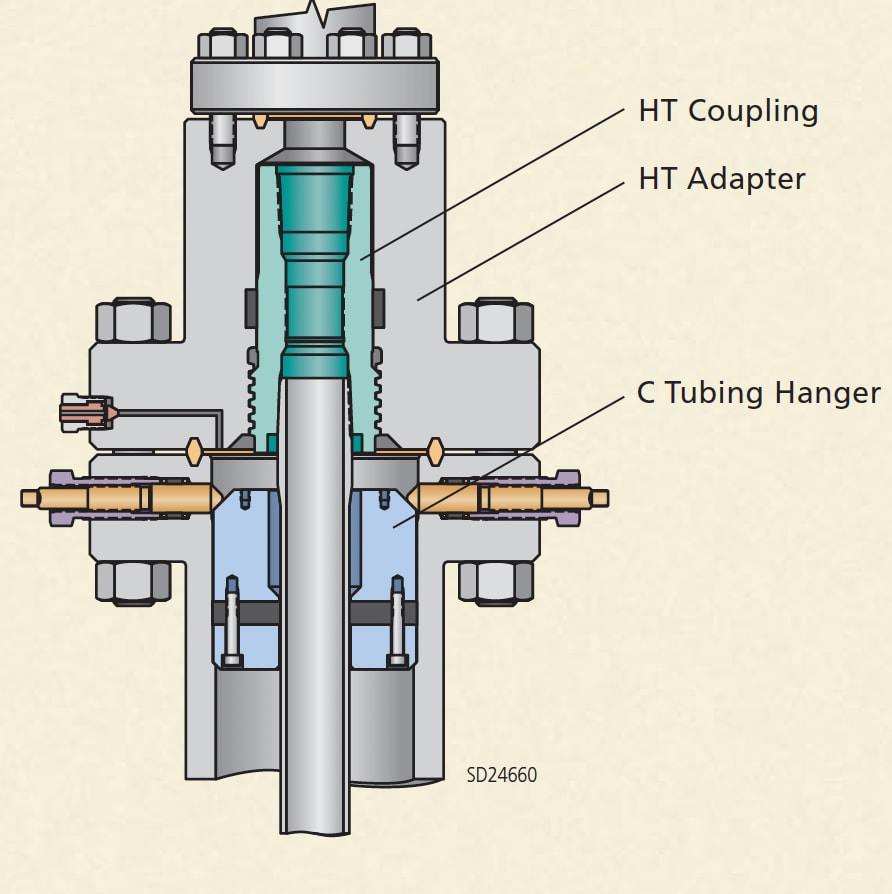
Tubing Hanger Coupling – 6 5/16” to 2 1/2”
The 6 5/16” to 2 1/2” Tubing Hanger Coupling is a specially made part used in oil and gas wells to connect a large casing opening to smaller tubing—typically 6 5/16 inches—to a smaller 2 1/2-inch upset production tubing. This size combination is often selected for well designs that require a broader casing interface for flow management, safety equipment, or well control hardware, while maintaining a slimmer production string for specific flow requirements or structural considerations.
This coupling is manufactured with upset-end compatibility, meaning it is suited for tubing that has thickened ends designed to strengthen threaded connections. This feature improves mechanical reliability and helps the connection withstand downhole pressure, tensile loads, and thermal cycling. The union nut design allows the coupling to be installed by tightening the nut without rotating the upper wellhead assembly, which is particularly useful in space-constrained or high-integrity environments.
To accommodate a range of operational needs, the coupling can be threaded on both ends to suit different tubing or spool designs and is compatible with back pressure valves—providing added safety during pressure control, intervention, or servicing. Built in accordance with API specifications and from high-strength materials, the coupling is designed to operate reliably in demanding conditions, including high-pressure wells and corrosive environments.
View Details
HDI 1000P Pressure Gauge System
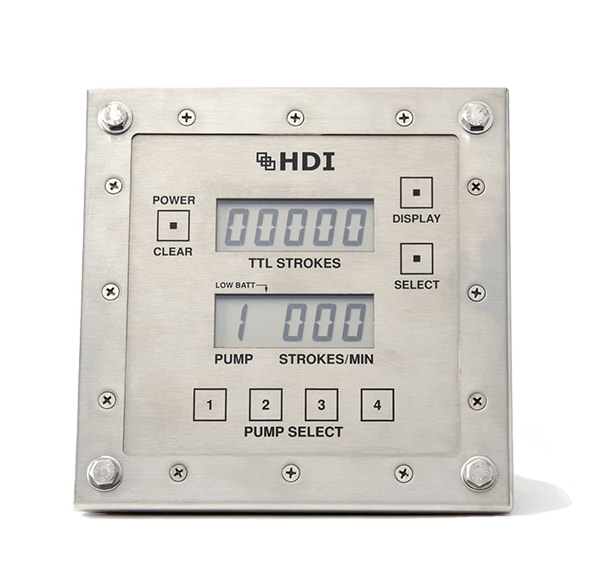
The HDI 1000P Pressure Gauge System is a battery-powered, intrinsically safe electronic gauge used to monitor high-pressure systems in oil and gas operations. It measures pressure using a strain gauge sensor and provides real-time readings on a digital display with both numeric and bar graph formats. Common applications include choke manifolds, cementing units, coiled tubing, and high-pressure pumping systems.
With pressure ranges available from 5,000 psi up to 30,000 psi, the 1000P is suitable for demanding environments. It offers ±0.5% full-scale accuracy, and optional 4-20mA or 0–1 VDC outputs for integration with PLCs or remote monitoring systems. The unit is housed in a sealed stainless steel enclosure and built to perform reliably in harsh, high-vibration field conditions.
Designed for ease of use, the 1000P includes a field-replaceable battery pack and supports a range of connection types such as 2" 1502, 2002, 2202, or flanged. Its solid-state platform minimizes maintenance and ensures consistent performance over time, making it a dependable tool for critical pressure monitoring tasks.
View Details
MS-152 Multistage Steam Turbine
Introducing the Kessels MS-152 Multistage Steam Turbine: Unleash Unprecedented Power and Efficiency In the fast-paced world of the oil and gas industry, where precision, performance, and reliability are paramount, Kessels Steam Turbines proudly presents the MS-152 Multistage Steam Turbine. This engineering marvel is poised to redefine excellence in steam turbine technology, delivering unmatched power and efficiency. Mastering Back-Pressure Turbines Back pressure turbines are the backbone of industrial steam applications, and the MS-152 takes them to an entirely new level. Available in both single-stage and multi-stage options, these turbines serve as the critical link between boiler units and process steam headers, revolutionizing steam utilization and electricity generation. Efficiency Beyond Imagination At the heart of the MS-152 Multistage Steam Turbine is the essence of back pressure turbines – the straight-back pressure design. This innovative engineering ensures the seamless harnessing of exhaust steam, aligning precisely with process demands. Every unit of electrical power generated is consumed as per the process steam demand, marking a new pinnacle of efficiency. Applications Without Limits Our MS-152 turbine is not just a machine; it's a versatile powerhouse ready to excel in diverse applications: Drive Applications: Whether in the oil and gas sector, sugar mills, sugar fibrizor systems, shredder drives, pump drives, or beyond, our turbine delivers power where it's needed most. Power Generation Applications: Embrace sustainability by using our turbine to generate electricity, powering generators with clean and efficient steam energy while reducing your carbon footprint. Bleed Back-Pressure Steam Turbines Kessels understands that adaptability is key. Our MS-152 turbine features built-in bleed points, enabling uncontrolled extraction of steam within a medium pressure range. This feature proves invaluable when low-volume steam demands and high tolerance for pressure variations are critical. Kessels turbines seamlessly combine the best of both bleed and back-pressure mechanisms. Extraction Back-Pressure Steam Turbines For industries with substantial process steam demand volumes and zero tolerance for pressure variations, our steam turbines with controlled extraction vents shine. Operating efficiently under intermediate pressure levels, these turbines ensure a consistent and reliable steam supply on which your operations can depend. Why Choose Kessels? Choosing Kessels Steam Turbines is more than a business decision; it's a commitment to a legacy of excellence, innovation, and reliability. Our MS-152 Multistage Steam Turbine is the embodiment of these principles, offering you: Unmatched Efficiency: Maximize steam utilization while minimizing waste, resulting in substantial cost savings and increased productivity. Reliability Redefined: Built with precision and rigorously tested to ensure uninterrupted operations, even in the harshest industrial environments. Unparalleled Versatility: Adapt effortlessly to changing needs, whether for drive applications or eco-friendly power generation, with the confidence that Kessels has you covered. A Sustainable Tomorrow: Harness the power of steam for electricity generation, reduce your environmental impact, and contribute to a greener future. Expert Support: Our team of specialists is at your service, ready to assist with installation, maintenance, and troubleshooting. Empower Your Future with Kessels In the fiercely competitive world of the oil and gas industry, every advantage counts. Step into a future of efficiency, reliability, and sustainability with the Kessels MS-152 Multistage Steam Turbine. Contact us today to discover how our turbine can revolutionize your operations and lead you toward unprecedented success. Kessels Steam Turbines – Powering Progress, Powering You. View Details
S-KWIK Control Line and Cable Protector
Cross coupling protectors are essential tools used in the oil and gas industry during the installation of completions in oil and gas wells. These protectors provide a variety of benefits that make them a necessary investment for any oil and gas company. Protects Control Lines: Cross coupling protectors help protect control lines from damage that can be caused by the installation process, environmental factors, and other external factors. By providing an extra layer of protection, the control line can last longer and reduce the need for costly repairs or replacements. Prevents Fluid Contamination in Cables: Cross coupling protectors prevent fluid contamination by keeping debris and other unwanted materials out of electrical cables during installation. This is particularly important in the oil and gas industry where contamination can lead to significant safety risks, equipment damage, and production losses. Reduces Maintenance Costs: The installation of cross coupling protectors can help reduce maintenance costs. By protecting control lines and cables the completion is less likely to require maintenance or repair. This can result in significant cost savings over the long-term. Improves Efficiency: Cross coupling protectors help to improve the efficiency of the installation process. By providing a secure connection and preventing contamination, the installation process can be completed more quickly and with fewer re-work. This can help to reduce downtime and increase productivity. Enhances Safety: Cross coupling protectors enhance safety by reducing the risk of equipment failure and fluid contamination. This can help to prevent accidents and injuries, and ensure that the installation process is completed safely. The use of cross coupling protectors is critical to the successful installation of tubing in oil wells. They provide numerous benefits including protecting tubing joints, preventing fluid contamination, reducing maintenance costs, improving efficiency, and enhancing safety. By investing in cross coupling protectors, oil and gas operators can ensure the long-term success of their operations while improving their bottom line. View Details
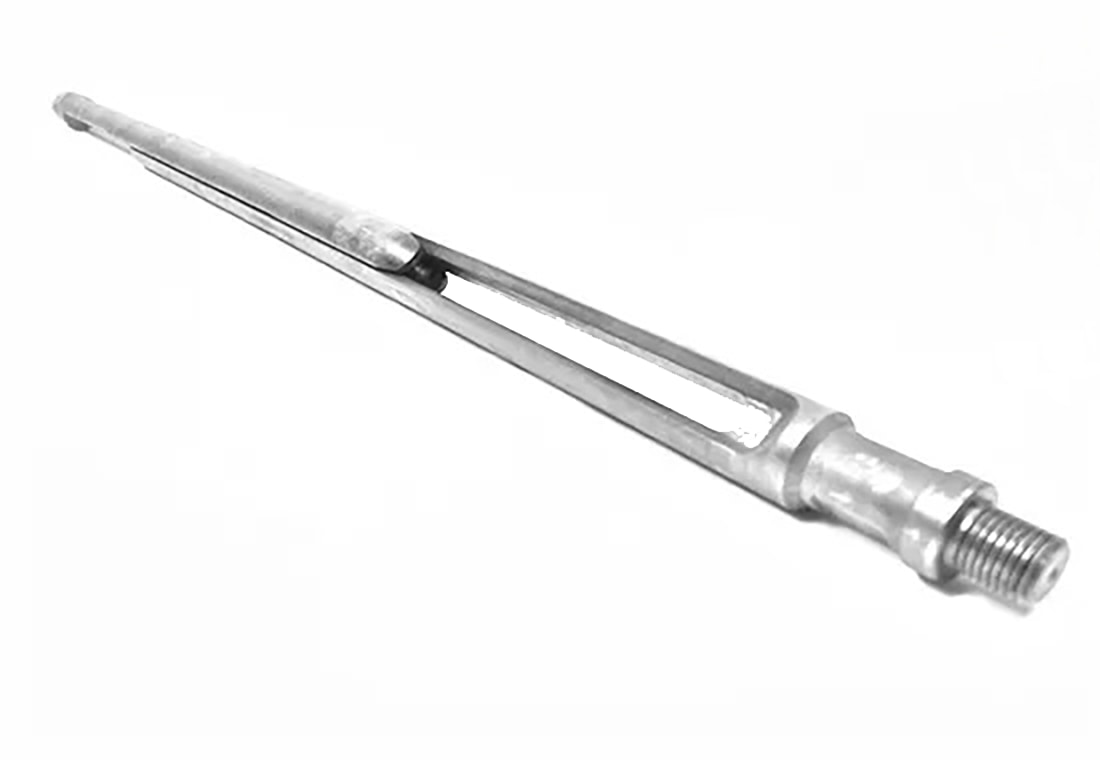
The 4” Tubing End Locator is designed specifically for use with larger production tubing strings common in wells that require greater flow capacity or enhanced mechanical strength. This size is typically found in wells with higher production rates or more demanding operational requirements, where accurate depth confirmation becomes even more critical.
This model is specifically sized for 4-inch outer diameter tubing, featuring a maximum outside diameter that fits comfortably within the tubing’s internal dimensions. This sizing ensures that the locator can move smoothly without obstruction while maintaining effective contact to detect the tubing end. The core mechanism involves a spring-loaded finger that extends outward upon contacting the tubing bottom. This movement translates into a tactile signal felt at the surface, eliminating the need for complex electronic systems and reducing the risk of failure in harsh downhole environments.
Equipped with standardized threaded connections—commonly a 1-9/16 - 10 UN pin on the top and a 1 - 11 ½ NPT box on the bottom—the tool integrates easily into typical slickline, wireline, or coiled tubing toolstrings. The fully mechanical design enhances reliability, making it well-suited for use in conditions of high pressure, elevated temperatures, and corrosive fluids often found in oil and gas wells.
The 4” Tubing End Locator is especially valuable in wells with larger tubing sizes where accurate depth confirmation is critical to avoid operational errors. By providing a straightforward and dependable method to locate the tubing end, it supports safe and efficient well intervention, helping to reduce downtime and operational risks.
View Details
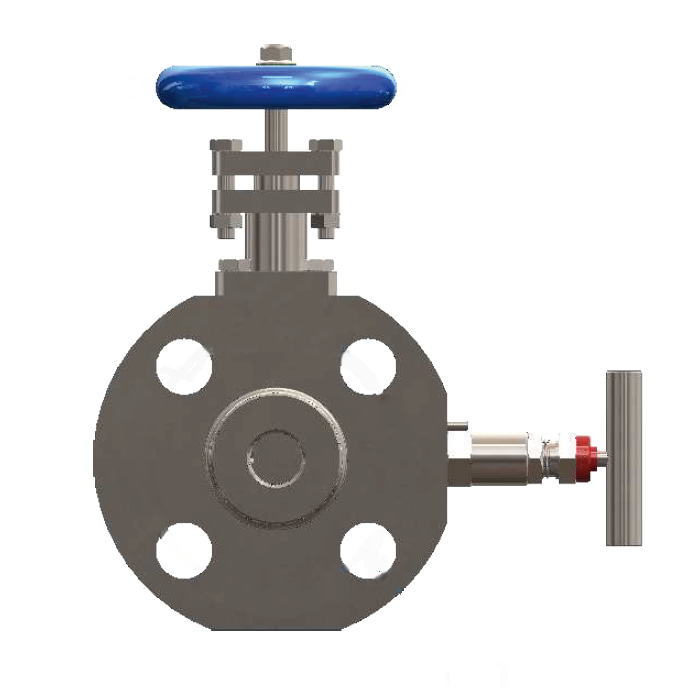
The H Type 3 Valve Manifold – Flange to Flange is designed for connecting impulse lines and differential pressure transmitters in oil and gas and industrial process applications. It consists of two block valves, one equalizer valve, and two ¼” Female NPT vent/test connections, providing accurate isolation, calibration, and maintenance of instrumentation.
The manifold is rated for a standard working pressure of 6000 PSI, with maximum ratings up to 10000 PSI available on request. Temperature ratings range from -50°C to 230°C, with 500°C possible using graphite seals. The body features a metal-to-metal seal for high pressure and temperature applications, eliminating the need for O-ring seals, and materials can be supplied according to NACE MR 01 75 standards.
Each valve is 100% factory tested per international pressure standards, including pneumatic testing with nitrogen at 1000 PSI for seat and packing leakage, with a maximum allowable leak rate of 0.1 sec/min. Stems have back seats, rolled threads, and self-centering non-rotating tips for consistent, leak-free operation. The H Type design allows reliable, safe, and precise operation in high-pressure, high-temperature process environments.
View Details
HDI 1000B Pressure Gauge System
The HDI 1000B Pressure Gauge System is an intrinsically safe, battery-powered, solid-state electronic pressure gauge designed for accurate and reliable pressure measurement in demanding industrial environments. It measures pressures ranging from 30 psi up to 20,000 psi with an accuracy of ±0.50% of full scale. The system features a durable design with no fluids or moving parts, reducing maintenance requirements and improving long-term reliability.
The gauge includes a clear liquid crystal display (LCD) that combines a five-digit numeric readout for precise pressure values with a 101-segment analog bar graph for quick trend visualization. The display is easily readable in various lighting conditions and includes a low battery indicator to ensure continuous operation.
The 1000B system is modular, comprising a gauge display, inline cable, and sensor assembly. This design allows the display to be positioned close to or remotely from the pressure measurement point, providing flexibility in installation. The system supports multiple connection types including 2” Male NPT, 2” 1502, 2” 2002/2202, or flanged connections to fit different piping standards.
Power is supplied by a replaceable internal 3.6 VDC battery pack, which typically lasts up to 18 months during continuous operation. The gauge system is designed to retain calibration and settings during battery changes or power interruptions, enhancing reliability in field use.
For integration with control systems, the 1000B offers optional 4-20 mA or 0-1 V outputs, enabling remote monitoring, data logging, or connection to PLCs and chart recorders. The system is built to withstand high vibration environments, making it suitable for offshore, drilling, and other heavy industrial applications.
Overall, the 1000B Pressure Gauge System provides a precise, low-maintenance, and versatile solution for pressure measurement needs where safety, accuracy, and durability are critical.
View Details
The LM2500+ DLE gas turbine is designed to provide reliable, efficient while meeting strict environmental rules. Ideal for power plants where emissions limits and water availability are critical concerns, the LM2500+ DLE provides clean, flexible, and high-performance power generation.
Using advanced Dry Low Emissions (DLE) technology, it reduces nitrogen oxide (NOx) and carbon monoxide (CO) emissions without requiring water or steam injection. This makes it especially valuable for facilities aiming to minimize environmental impact and avoid the operational complexity and maintenance costs associated with water-based emissions control systems.
The turbine’s ability to maintain NOx emissions below 25 ppm on natural gas—and as low as 15 ppm under certain conditions—ensures compliance with tough air quality standards.
With a power output exceeding 31 megawatts and thermal efficiency above 40%, the LM2500+ DLE suits a broad range of applications, from utility-scale electricity generation to industrial cogeneration and offshore power. Its fast start capability and robust cycling performance enable it to respond quickly to fluctuating grid demands, making it an excellent partner for integrating renewable energy sources.
Fuel flexibility extends the LM2500+ DLE’s usability across different operational contexts. It runs smoothly on natural gas, diesel, aviation fuels, and even hydrogen blends—offering operators confidence and versatility regardless of fuel availability or market conditions.
Maintenance is simplified thanks to the turbine’s modular design, allowing rapid access and part replacement. This reduces downtime and keeps plants running efficiently, enhancing overall productivity.
Combining power, efficiency, emissions control, and fuel flexibility, the LM2500+ DLE supports effective and compliant power generation in a variety of operational settings.
View Details
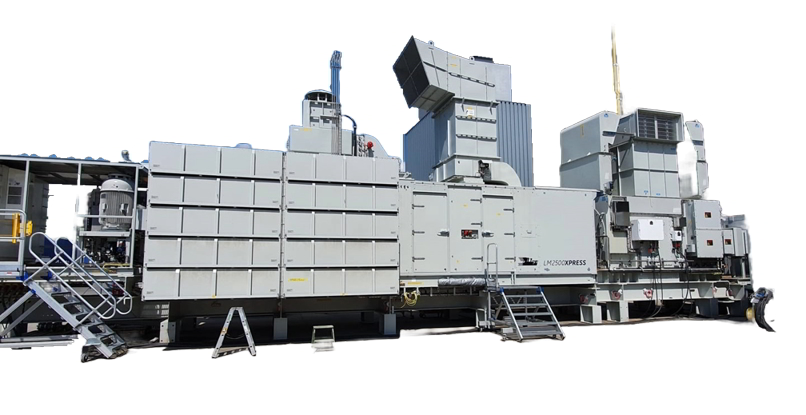
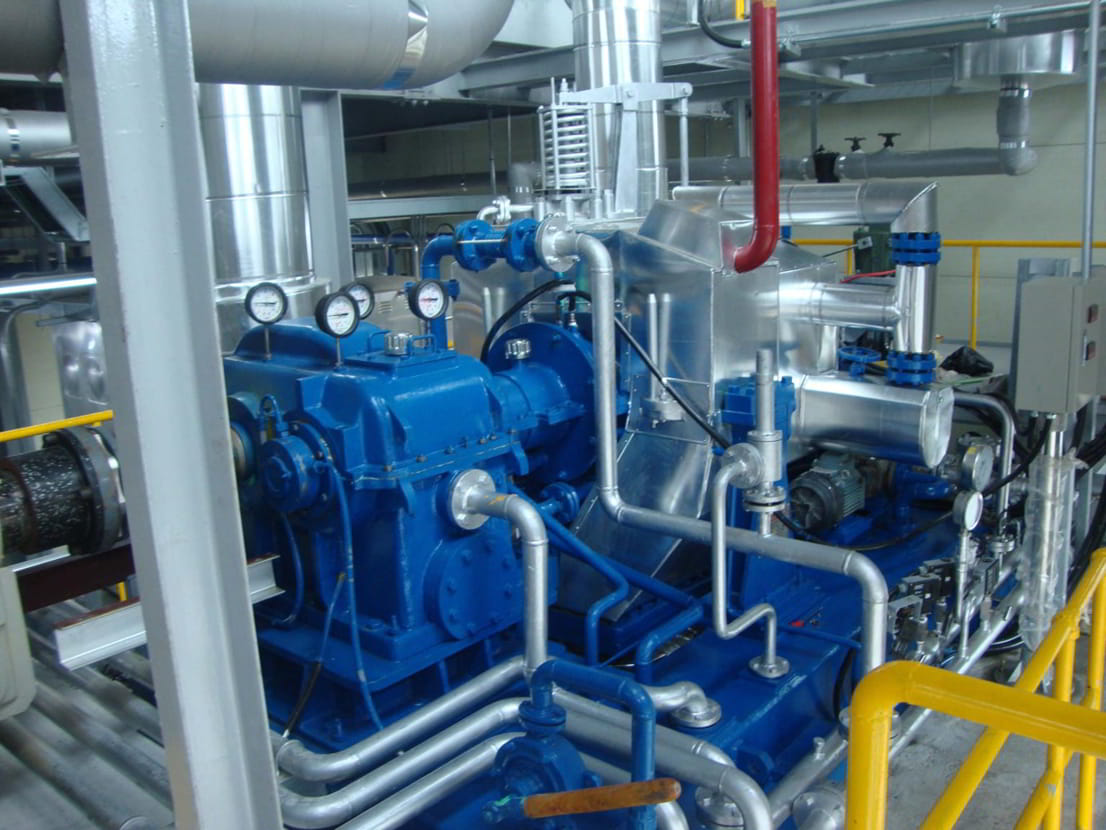
The LM2500XPRESS gas turbine is a compact and modular power system designed for fast installation and quick delivery of power when speed matters. It comes prepackaged in 10 simplified modules, which makes installation easier and faster, with only 27 electrical interconnects to manage.
This turbine is based on the proven LM2500 aeroderivative gas turbine, known for its reliability and versatility. It can be used in a wide range of power generation setups, including baseload, peaking, simple cycle, combined cycle, and cogeneration (combined heat and power) applications. The system offers dry low emissions (DLE) and can operate on gas or dual fuel.
One important feature of the LM2500XPRESS is its ability to handle daily starts and stops without increasing maintenance frequency or costs. Its free-spinning power turbine design allows it to act as a synchronous condenser without needing a clutch between the turbine and generator, which helps reduce maintenance needs and downtime.
The turbine can ramp from a cold start to full base load in about five minutes, making it ideal for situations where fast power availability is critical. Its plug-and-play design allows industrial users or grid operators to connect and begin generating electricity quickly and efficiently.
In summary, the LM2500XPRESS combines a reliable aeroderivative gas turbine with a smart, modular package designed for rapid deployment and flexible power generation.
View Details
Surface Controlled Subsurface Safety Valve FRN 6-5/8 inch
The FRN wireline-retrievable flapper valve, which is normally closed, is held open by hydraulic control pressure from the surface. The valve operates on a hydraulic-piston principle. To open, tubing pressure slightly higher than the well pressure below the closed flapper is applied. Once well pressure is equalized across the closed flapper, hydraulic pressure is applied to the piston, which pushes the flapper open. The flapper hinge assembly is designed so the force on the piston is not applied directly on the hinge pin. Upon loss of hydraulic pressure in the control line, the valve's large spring serves to lift the hydrostatic head of the control fluid. The flapper spring is designed to close the valve when the piston moves up past the flapper. Opening Prong Nose Seal The FRN valve uses the valve housing as the downstop for the opening prong. This metal-to-metal (MTM) interface is designed to prevent flow from passing between the valve housing and opening prong. The MTM interface isolates the flapper and seat from fluid flow while the valve is open. This design creates an MTM interface with the full force exerted by the hydraulic piston, minus the spring compression force, holding the two metal faces in contact. Radius of Curvature at Flow Entrance Halliburton conducted a study with various curvatures on the entrance to the valve. The study tested abrasive fluids flowing through different test subs and examined the resulting wear patterns. As a result, an optimum radius of curvature was determined and implemented on the valve housings of all wireline retrievable safety valves. Applications » New completions » Deep set » High pressure Features » High-strength rod-piston actuation » Non-equalizing flapper closure » Solid construction flapper made from bar stock » Spherical radius seat on flapper improves seal reliability » Sealing and seating surfaces are out of flow path of well production when valve is in open position » Designed for easy field servicing *information referenced from supplier catalog. View Details