Don't have an account? Join for free
Cart
12 unit Locking FAST charger rack
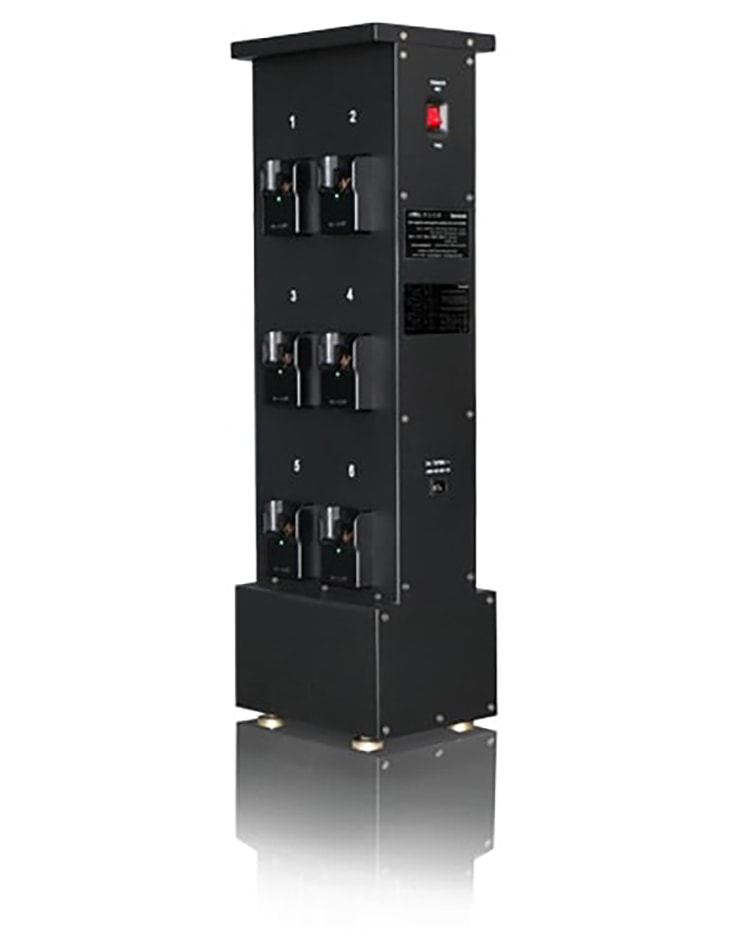
Secure and Efficient Charging with the CSA 12 Unit Locking FAST Charger Rack from Provix Provix introduces the CSA 12 Unit Locking FAST Charger Rack (Part # NWI-NWCR-12BLC), a compact yet powerful charging solution designed for the efficient management of mining and industrial lighting equipment. This charger rack combines fast charging capability with enhanced security, making it an ideal choice for smaller teams or tight spaces. Fast Charging for Essential Equipment Designed to keep pace with the demanding schedules of modern mining and industrial operations, the CSA charger rack offers rapid charging times of 4 hours for the WISE LITE2 and 5 hours for the LAMP3A/4A models. This quick turnaround ensures your equipment is ready to go when you are, reducing downtime and boosting productivity. Locking Feature for Added Security One of the key advantages of the CSA 12 Unit Charger Rack is its locking mechanism. This feature provides added security for your valuable equipment, ensuring it remains safe and secure while charging. Ideal for locations where additional protection is desired, the locking rack is a safeguard against unauthorized access or removal of the equipment. Compact Design for Space Efficiency The compact size of the CSA 12 Unit Charger Rack is perfect for operations where space is at a premium. It’s designed to be single-sided, making it easy to place in equipment rooms, workshops, or mobile units, maximizing space utility without compromising on charging capacity. Durable and Reliable Built to withstand the harsh environments typical of mining and industrial settings, the CSA charger rack is durable and reliable. Its robust construction guarantees long-term performance, representing a smart investment for operations focused on efficiency and security. Ideal for Smaller Teams or Limited Spaces This charging solution is particularly well-suited for smaller mining crews, construction teams, or rental fleets. It allows for the management of multiple devices without needing a large amount of space, making it a versatile choice for various operational sizes and types. Upgrade Your Charging Station Today The Wisdom CSA 12 Unit Locking FAST Charger Rack is available now at Provix. Enhance your equipment management with this efficient, secure, and space-saving solution. Visit www.provix.net to learn more and bring advanced charging capabilities to your operation. View Details
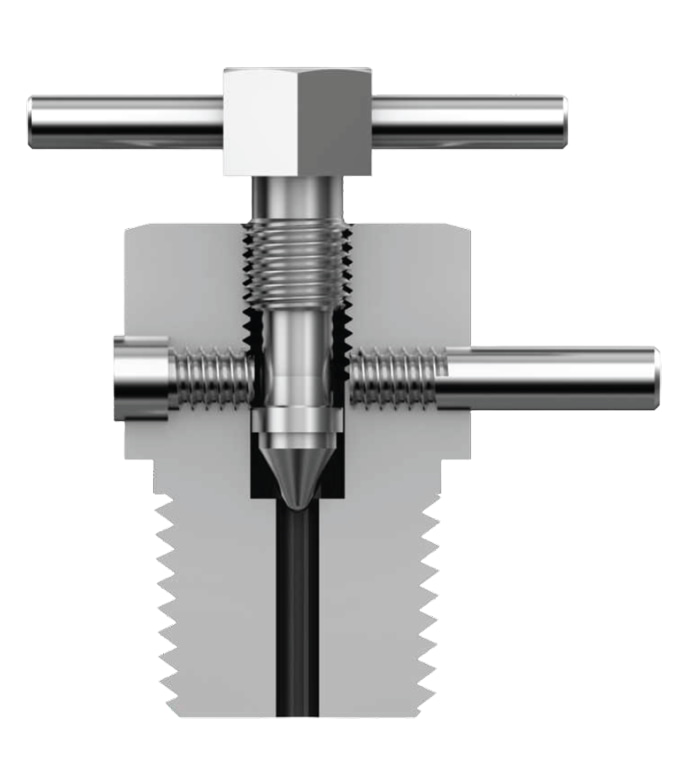
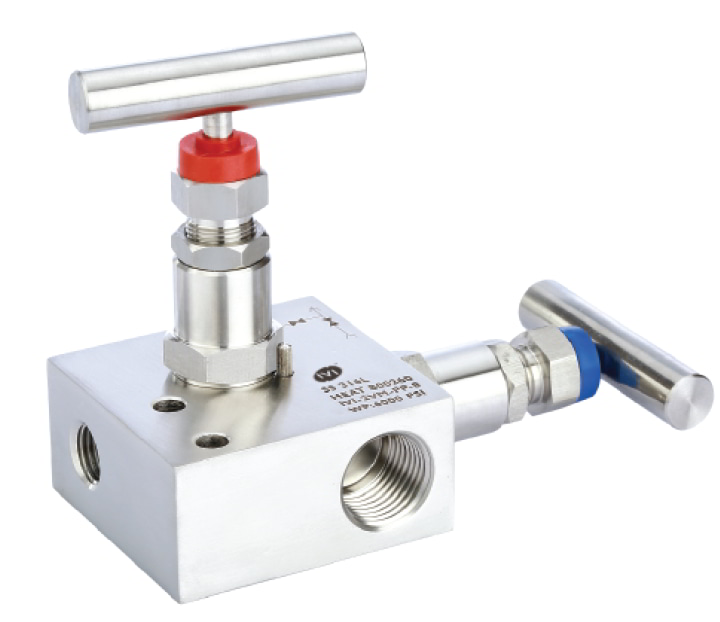
The Gauge Root Bleed Valve with vent tube and handle is a high-pressure valve designed to provide safe venting and pressure release in industrial and oil and gas systems. It is typically installed in high-pressure piping where pressure gauges or instruments are connected, allowing operators to isolate and safely bleed off pressure for maintenance, calibration, or inspection. The vent tube directs released media away from the operator, reducing the risk of injury or contamination, while the handle provides easy and precise manual operation.
This valve is rated for 6000 PSI standard working pressure, with higher pressures available on request, and is constructed with a metal-to-metal body and bonnet seal for reliable sealing at high temperatures and pressures. It features a backseat stem for added security, a self-centering, non-rotating tip to ensure leak-free performance, and a simple adjustable gland retainer to maintain packing stability over time.
Factory testing includes pneumatic tests with nitrogen at 1000 PSI to verify seat and packing integrity, with a maximum allowable leak rate of 0.1 sec/min. The valve materials can be supplied in stainless steel or other corrosion-resistant alloys and are compatible with NACE MR 01-75 standards. Heat code traceability ensures quality control and material verification for critical applications.
This valve is essential for safely isolating and venting pressure from instruments, gauges, or process line.
View Details
Safety Valve for Water Injectors 5.71 inch
The WI retrievable injection valve is a high-performance, high-flow rate injection valve. High throughput is achieved by a unique valve configuration that minimizes turbulent and potentially erosive flow. Operation is not dependent on a specific flow rate, pressure, or setting depth, thus negating the need for adjustment over time. The valve incorporates a metal-to-metal valve and seat energized by the combination of an integral spring and well pressure acting from below. The WI injection valve can be deployed on a wireline lock or through-tubing pack-off device, providing flexibility not available with alternative injection valve systems. As a result of the simple design with fewer parts, redress and repair costs are considerably lower than those for other injection valve systems. Applications The WI injection valve is primarily used in water injection applications as an alternative to conventional tubing or wireline-set safety valves. The valve is also commonly used as a retrofit solution in water injectors in which a tubing to annulus leak has occurred. The valve can be deployed below the leak point to eliminate uncontrolled annulus pressure increases when the injection stops. Features » Compatible with all known lock systems » Dedicated designs to suit Halliburton EB0 intervention packers » Enhanced internal flow profile » Simple design and construction » Flow-loop testing performed to establish pressure drop versus pump rate *information referenced from supplier catalog. View Details
5 1/2" Mech-2 Double Grip Mechanical Set Packer for 13-15.5 PPF Casing
Ballycatter Mech-2 Double Grip Mechanical Packer
Available sizes: 5”, 5 1/2”, 6 5/8”, 7”, 9 5/8”, and 10 3/4”
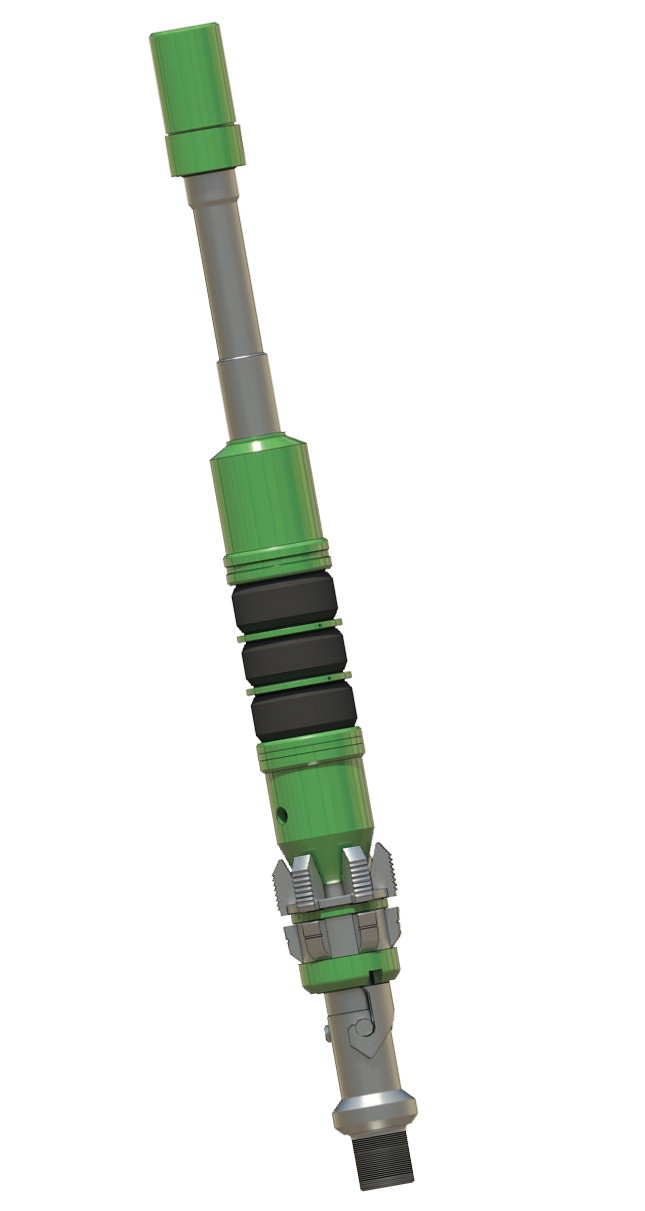
The Ballycatter Mech-2 is a retrievable, compression-set double-grip mechanical packer designed for applications where pressure differentials from below are anticipated, such as combined stimulation and production operations. Featuring opposing slips above and below the packing element, the Mech-2 ensures secure bi-directional anchoring within the casing under varying well conditions.
The tool incorporates a built-in hydraulic hold-down system located beneath the face-seal bypass valve, enabling it to resist upward forces during stimulation treatments. A unique “Differential Lock” mechanism utilizes pressure from below the packer to actuate a balance sleeve, generating additional downward force that maintains bypass valve integrity and ensures a reliable seal.
The Mech-2 is mechanically set using a long-stroke mandrel and a J-slot mechanism. Once positioned, right-hand rotation and applied set-down weight close the bypass valve, engage both slip sets, and compress the sealing elements. The formation below the packer is then fully isolated and accessible only through the tubing. To retrieve, the tubing is raised the full packer length, automatically re-engaging the J-slot and reopening the bypass for pressure equalization and circulation.
With its dual-grip design, hydraulic hold-down, and controlled setting and release process, the Mech-2 offers a robust and dependable solution for demanding applications requiring secure annular isolation and enhanced downhole stability.
View Details
FRN Wireline Retrievable 5.5 inch Subsurface Safety Valve
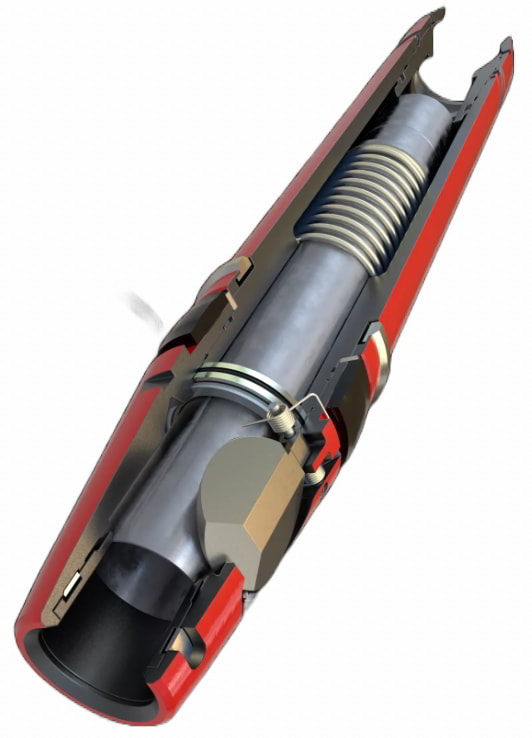
The FRN wireline-retrievable flapper valve, which is normally closed, is held open by hydraulic control pressure from the surface. The valve operates on a hydraulic-piston principle. To open, tubing pressure slightly higher than the well pressure below the closed flapper is applied. Once well pressure is equalized across the closed flapper, hydraulic pressure is applied to the piston, which pushes the flapper open. The flapper hinge assembly is designed so the force on the piston is not applied directly on the hinge pin. Upon loss of hydraulic pressure in the control line, the valve's large spring serves to lift the hydrostatic head of the control fluid. The flapper spring is designed to close the valve when the piston moves up past the flapper. Opening Prong Nose Seal The FRN valve uses the valve housing as the downstop for the opening prong. This metal-to-metal (MTM) interface is designed to prevent flow from passing between the valve housing and opening prong. The MTM interface isolates the flapper and seat from fluid flow while the valve is open. This design creates an MTM interface with the full force exerted by the hydraulic piston, minus the spring compression force, holding the two metal faces in contact. Radius of Curvature at Flow Entrance Halliburton conducted a study with various curvatures on the entrance to the valve. The study tested abrasive fluids flowing through different test subs and examined the resulting wear patterns. As a result, an optimum radius of curvature was determined and implemented on the valve housings of all wireline retrievable safety valves. Applications » New completions » Deep set » High pressure Features » High-strength rod-piston actuation » Non-equalizing flapper closure » Solid construction flapper made from bar stock » Spherical radius seat on flapper improves seal reliability » Sealing and seating surfaces are out of flow path of well production when valve is in open position » Designed for easy field servicing *information referenced from supplier catalog. View Details
FXE Wireline Retrievable SCSSSV 5 inch
The FXE wireline-retrievable flapper valve, which is normally closed, is held open by hydraulic control pressure from the surface. The valve operates on a hydraulic piston principle. To open, hydraulic pressure slightly higher than the well pressure is applied to move the piston downward. This pressure unseats the secondary seat, allowing pressure to enter through equalizing ports. Then, as additional hydraulic pressure is applied to the piston, it continues downward movement, pushing the flapper open. The flapper hinge assembly is designed such that the force on the piston is not applied directly on the hinge pin. Upon loss of hydraulic pressure in the control line, the valve’s large spring serves to lift the hydrostatic head of the control fluid. The flapper spring is designed to close the valve when the piston moves up past the flapper. Opening Prong Nose Seal The FXE valve uses the valve housing as the downstop for the opening prong. This metal-to-metal (MTM) interface is designed to prevent flow from passing between the valve housing and the opening prong. The MTM interface isolates the flapper and seat from fluid flow while the valve is open. This design creates an MTM interface with the full force exerted by the hydraulic piston, minus the spring compression force, holding the two metal faces in contact. Radius of Curvature at Flow Entrance Halliburton conducted a study with various curvatures on the entrance to the valve. The study tested abrasive fluids flowing through different test subs and examined the resulting wear patterns. As a result, an optimum radius of curvature was determined and implemented on the valve housings of all wireline-retrievable safety valves. Applications » General production completions Features » Equalizing-type flapper closure » Solid construction flapper made from bar stock » Spherical radius seat on flapper improves seal reliability » Sealing and seating surfaces are out of the well production flow path when valve is in the open position *information referenced from supplier catalog. View Details
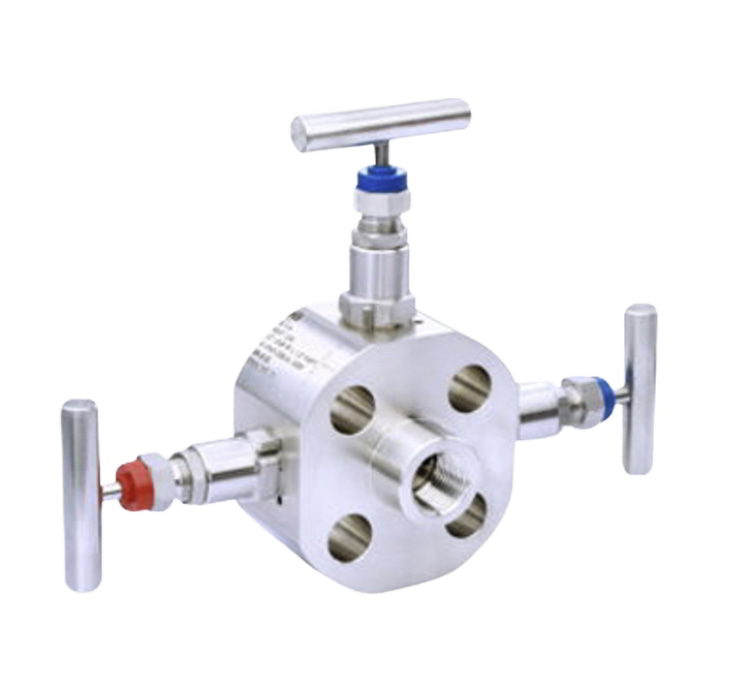
The Monoflange DBB Double Block and Bleed Valve with Needle-Needle-Needle configuration is designed to provide dual isolation and safe venting in oil and gas, chemical, and process systems. Both isolation points use needle valves, allowing precise control of flow and pressure in the cavity between the two isolation points, which minimizes leakage and ensures accurate venting. This configuration is particularly suited for instrument and gauge isolation, chemical injection, and sampling applications, where fine control and safety are critical.
The monoflange design integrates the two isolation valves and the bleed into a single compact body. This eliminates the need to bolt together separate valves, reducing the number of joints, potential leak paths, and overall weight, while saving installation space and simplifying maintenance. The valve can accommodate flange sizes from 1/2” to 2” and is rated for Class 150 to Class 2500, making it suitable for a wide range of high-pressure applications.
Manufactured to recognized industry standards including ASME B16.34, API 6D, and ISO 17292, the valve is available in a variety of materials such as SS 316, SS 316L, Duplex, Super Duplex, Hastelloy, Inconel, and Monel. Optional NACE MR-0-175 compliant materials are available for corrosive environments. In-built vent valves and low emission testing ensure the valve meets stringent safety and environmental requirements, providing a reliable solution for critical fluid control applications.
View Details
5" Mech-1 Single Grip Mechanical Set Packer for 11.5-15 PPF Casing
Ballycatter Mech-1 Single Grip Mechanical Packer
Available sizes: 5”, 5 1/2”, 6 5/8”, 7”, 9 5/8”, and 10 3/4”
The Ballycatter Mech-1 is a retrievable, compression-set mechanical packer designed for low-pressure production, casing integrity testing, and well intervention operations. Built with a long-stroke mandrel and a large bypass area, it allows unrestricted fluid circulation while running in hole. The bypass is controlled by a face-seal valve that automatically closes during setting, fully isolating the annulus once the packer is engaged.
Setting is achieved via a mechanical J-slot system using standard right-hand (or optional left-hand) rotation. Once the tool is positioned, applying set-down weight activates the slips and compresses the packing elements, sealing off the formation below. Retrieval is straightforward—lifting the tubing string engages the J-slot and reopens the bypass valve for safe circulation and recovery.
The Mech-1 features a rocker-type slip design for positive casing engagement and can be repositioned if required. Its straightforward operation, reliable sealing, and retrievability make it a practical solution for conventional production completions, casing leak diagnostics, and test operations where hydraulic setting is not required.
View Details
The L type 2 valve manifold is a compact and reliable solution designed for connecting impulse lines to pressure transmitters or gauges in industrial systems. Its primary purpose is to allow safe and efficient measurement of process pressures while providing the ability to isolate, vent, or calibrate instruments without disrupting the process.
The L type configuration refers to the layout of the two valves, arranged in an L shape, which allows for simple and intuitive operation. This design enables the user to block the process pressure, bleed off trapped pressure, and perform calibration on static pressure transmitters or gauges. The arrangement minimizes installation space while ensuring clear and accessible operation.
Pipe to pipe manifolds are designed to connect directly to process lines using standard piping connections. This allows for straightforward integration with impulse lines and reduces the need for additional fittings. The manifold provides a secure and leak-free connection while maintaining easy access for maintenance, calibration, and testing of instruments. Overall, the L type 2 valve manifold combines compact design, operational simplicity, and high reliability for critical measurement applications.
View Details
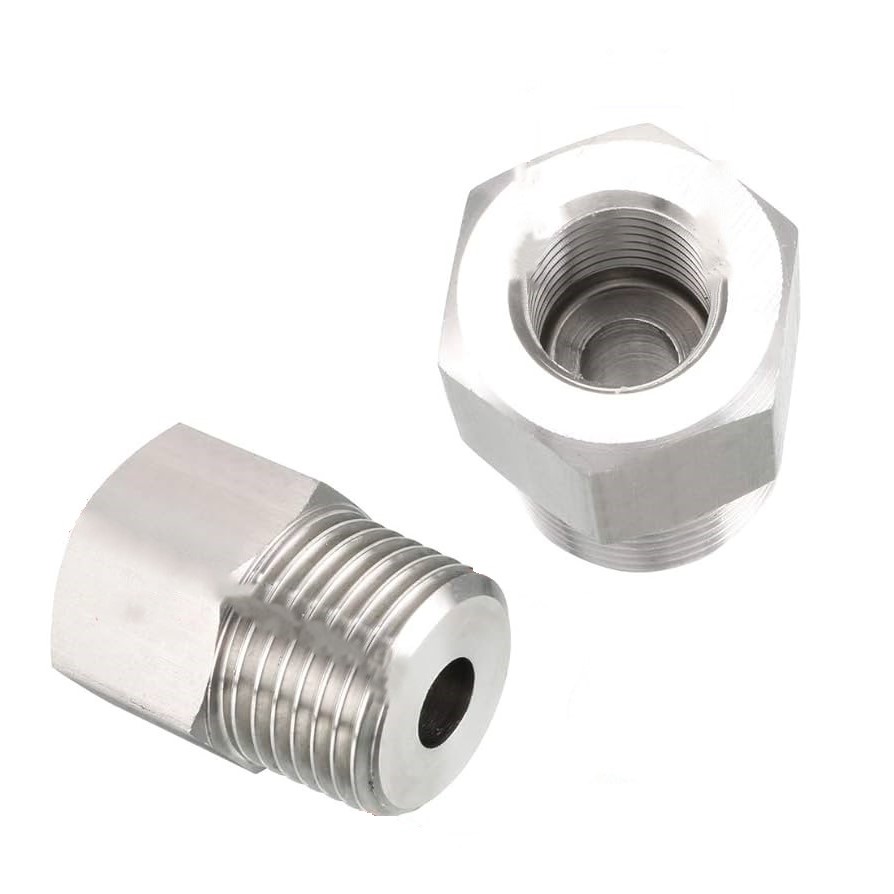
Gauge adapters with a female ISO parallel thread to male NPT are small but essential components used to connect measurement instruments, such as pressure gauges or transmitters, to piping systems in industrial and oil and gas applications.
The female ISO thread screws directly onto the instrument, while the male NPT thread connects securely to the pipe or tube, creating a tight and leak-resistant connection.
These adapters are made from high-quality materials such as stainless steel or brass, which makes them durable and resistant to corrosion, even in harsh environments. They are designed to handle high pressures, up to 10,000 PSI, ensuring that instruments provide accurate readings without risk of failure.
They follow international thread standards including ASME B1.20.1, SAE AS71051, ISO 7-1, and ISO 228, which guarantees compatibility with other equipment and ensures reliable performance in critical systems. This makes them a practical and dependable choice for monitoring and controlling fluids.
View Details
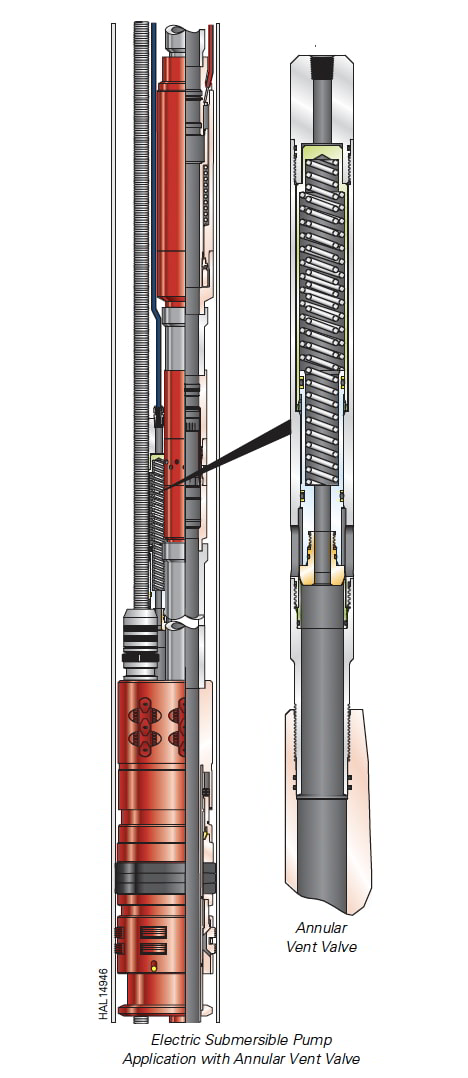
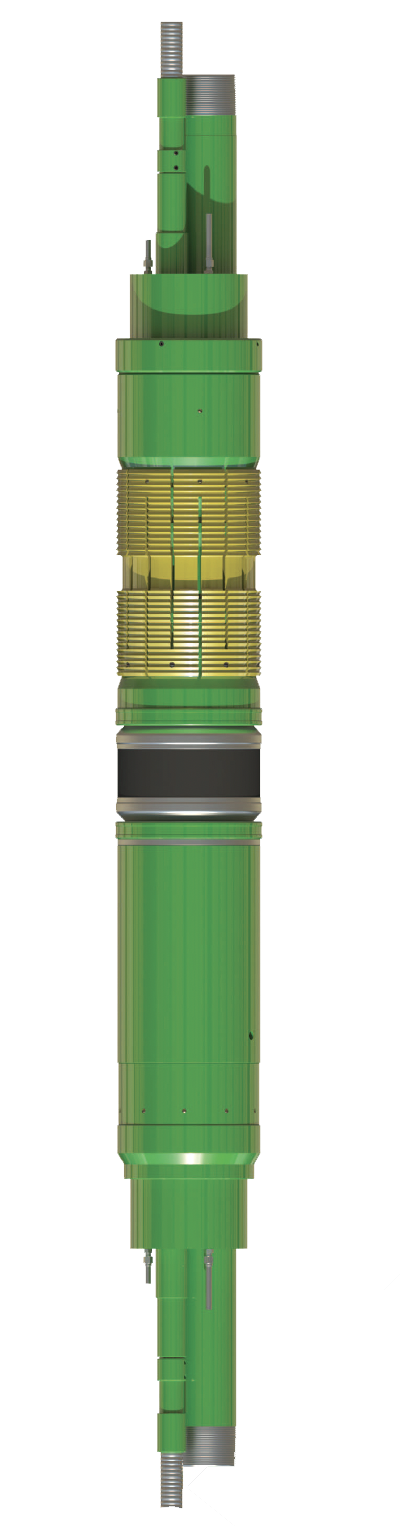
The Ballycatter Model WC-ESP Packer – Cut to Release Version is a high-performance hydraulic-set production packer designed for completions requiring an electric submersible pump (ESP) below the packer. This single-mandrel, dual-bore packer features a pass-through section, enabling an electric cable to run through the packer, delivering power to the ESP for efficient fluid production.
The packer is hydraulically set by applying tubing pressure against a plugging device, and once engaged, it is mechanically locked in place with an internal slip mechanism. The bi-directional barrel slips secure the packer against well pressures from above and below, ensuring reliable performance in demanding well conditions. Additionally, it is equipped with NPT chemical injection ports and a vent valve port, providing operational flexibility for chemical treatment and pressure regulation.
One of the standout features of the WC-ESP Packer is its Cut to Release function, which enhances retrieval efficiency and simplifies intervention operations. Unlike conventional packers that rely solely on straight pull release, this cut-to-release mechanism ensures controlled retrieval even in wells where high overpull may be a concern. This design reduces the risk of damage to the tubing string and downhole equipment, improving operational safety and reducing intervention costs. The field-adjustable straight pull release allows for on-site modifications, ensuring adaptability across different well environments. The single-piece mandrel construction and Acner Array Packing Element further enhance its durability, making it suitable for hostile downhole conditions while maintaining a reliable seal.
The WC-ESP Packer is furnished with a universal 1.900” API NU connection for penetrators, ensuring compatibility with all major cable pack-off or feed-thru devices. Its bi-directional barrel-slip design provides high loading capacity, ensuring a uniform transfer of load while maintaining structural integrity. With single-trip capability, operators can efficiently set the packer while minimizing rig time and operational complexity.
Whether deployed in standard or high-pressure, high-temperature wells, the Ballycatter WC-ESP Packer – Cut to Release Version offers unparalleled reliability, ease of retrieval, and superior performance for ESP completions.
View Details
Wireless Infrastructure Design and Implementation
Redefining Wireless Infrastructure for the Oil & Gas Sector: Nulux Network Solutions Leads the Way In the modern era of the oil and gas industry, the intricate operations and vast terrains involved necessitate a robust, efficient, and secure communication network. As reliance on digital solutions becomes more pronounced, so does the need for seamless wireless infrastructure. With Nulux Network Solutions at the helm of wireless infrastructure design and implementation, the oil and gas sector can now look forward to tailored solutions that guarantee optimum connectivity. Bridging Distances and Overcoming Obstacles Geographical distances, challenging terrains, and myriad obstacles are inherent to the oil and gas industry. In such scenarios, traditional hard-line connections might prove ineffective, expensive, or even impossible. This is where Nulux’s expertise in wireless communication links becomes invaluable. With a proven track record of designing and implementing both point-to-point and multipoint radio networks, along with tower construction, rigging, and mesh networks, Nulux offers unparalleled solutions that ensure constant, uninterrupted connectivity. Harnessing the Power of Wireless Access Points As workplaces in the oil and gas sector become more dynamic, the dependency on mobile devices for tasks such as documentation review, QA-QC, and project planning is intensifying. Recognizing this need, Nulux offers top-tier wireless network designs that ensure every corner of your facility, be it the office or the expansive facility floor, remains connected. This not only boosts productivity but also paves the way for substantial time and cost savings. Point-to-Point Vs. Multipoint: Customized Solutions for Diverse Needs Understanding the distinction between point-to-point and multipoint networks is vital. While the former establishes a dedicated link between two distinct points ensuring utmost security and streamlined communication, the latter connects multiple points through a single shared line, facilitating broad-spectrum connectivity. Key Benefits of Opting for Nulux’s Wireless Infrastructure: Boosted Productivity: Seamless connectivity ensures that all personnel, regardless of their location, have unhindered access to centralized data, thereby accelerating operations. Enhanced Security: The private nature of point-to-point networks shields data from potential interceptions, guaranteeing safe data transfers. Cost-Effective Solutions: Especially in scenarios where traditional hard-line installations are impractical, wireless networks present a more economical and feasible option. In conclusion, the sophisticated nature of operations in the oil and gas industry demands nothing short of excellence in communication infrastructure. With Nulux Network Solutions, engineering professionals can expect wireless infrastructure designs that are not only advanced and reliable but are also tailor-made for the unique challenges of the sector. As the industry evolves and the need for reliable wireless tech surges, Nulux remains steadfast in its commitment to stay ahead, ensuring that the oil and gas sector remains seamlessly connected, always. Connect with us today, and let's build the future of wireless communication together. View Details
MS-201EC Extraction Condensing Steam Turbine
Elevate Your Energy Solutions with the Kessels MS-201 EC Extraction Condensing Steam Turbine: Efficiency Perfected In the dynamic world of the oil and gas industry, precision, performance, and sustainability are non-negotiable. Kessels Steam Turbines is proud to introduce the MS-201 EC Extraction Condensing Steam Turbine, a technological marvel that sets new standards in steam turbine excellence. Mastering Extraction Condensing Turbines Extraction condensing turbines are the lifeline of industries requiring a constant pressure steam flow for diverse processes. The MS-201 EC shares structural characteristics with condensing turbines, making it the ideal choice when you need a reliable source of constant pressure steam for your operations. Efficiency at Its Pinnacle What distinguishes the MS-201 EC is its remarkable capability to inject low-pressure steam from the second admission valve chest. This ingenious feature optimizes the utilization of available plant resources to meet power demands, making our turbine an indispensable asset in co-generation scenarios. Steady Power, Unwavering Performance In co-generation settings, where maintaining a consistent power supply despite fluctuations in process steam demands is paramount, the MS-201 EC shines. This turbine ensures your power generation remains steady, providing a rock-solid foundation for your operations. Ultimate Versatility At Kessels, we understand that each industry has unique needs. In some cases, you may require both bleed and controlled extraction steams from the condensing turbine. Our MS-201 EC is designed to meet these demands, offering the flexibility of a bleed cum extraction condensing turbine. Why Choose Kessels? Choosing Kessels Steam Turbines isn't just a business decision; it's a commitment to excellence, innovation, and reliability. Our MS-201 EC Extraction Condensing Steam Turbine embodies these principles, offering you: Unmatched Efficiency: Harness low-pressure steam resources efficiently, reducing energy waste and maximizing productivity. Reliability Beyond Question: Crafted with precision and subjected to rigorous testing, our turbine ensures uninterrupted operations, even in the most demanding industrial environments. Consistent Power Supply: Experience uninterrupted power generation, regardless of variations in process steam demands, ensuring your operations run seamlessly. Exceptional Versatility: Adapt effortlessly to your unique requirements, whether you need bleed or controlled extraction steams, with the confidence that Kessels' expertise provides. Expert Support: Our team of specialists is at your service, ready to assist with installation, maintenance, and troubleshooting. Empower Your Future with Kessels In the fiercely competitive landscape of the oil and gas industry, every advantage counts. Step into a future of efficiency, reliability, and sustainability with the Kessels MS-201 EC Extraction Condensing Steam Turbine. Contact us today to discover how our turbine can revolutionize your operations and lead you toward unprecedented success. Kessels Steam Turbines – Powering Progress, Powering You. View Details
The Single Annular Combustor (SAC) version of the LM2500+G4 is designed for oil and gas applications that prioritize consistent performance, fuel flexibility, and emissions control—such as LNG facilities, gas processing plants, and pipeline compression, both onshore and offshore.
What makes the SAC version different is its simpler combustor design compared to dual annular or premix types. The SAC uses a through-flow, venturi swirler to ensure an even temperature profile at the turbine inlet, helping extend hot section life. It features individually replaceable fuel nozzles, a durable machined-ring liner, and a thermal barrier coating for better resistance to high temperatures and corrosion. This design supports both dry operation (with higher emissions) and water or steam injection to reduce NOx when needed—making it adaptable to site-specific emission regulations.
The LM2500+G4 SAC builds on the proven LM2500+ design, with approximately 10% more power. This gain comes from increased airflow, improved internal cooling, and material upgrades—while keeping the same number of compressor and turbine stages. The 17-stage high-pressure axial compressor and the basic engine layout remain unchanged, making it easy to maintain and service.
The engine can run on a wide range of liquid and gas fuels, allowing flexibility in remote or supply-constrained locations. It achieves up to 40% thermal efficiency in simple cycle mode. Water-injected operation enables NOx emissions as low as 25 ppm (gas) and 42 ppm (liquid).
In short, the LM2500+G4 SAC is well-suited for high-power mechanical drive and power generation in harsh or remote oil and gas environments, offering a balance of power output, fuel versatility, and emissions control.
View Details
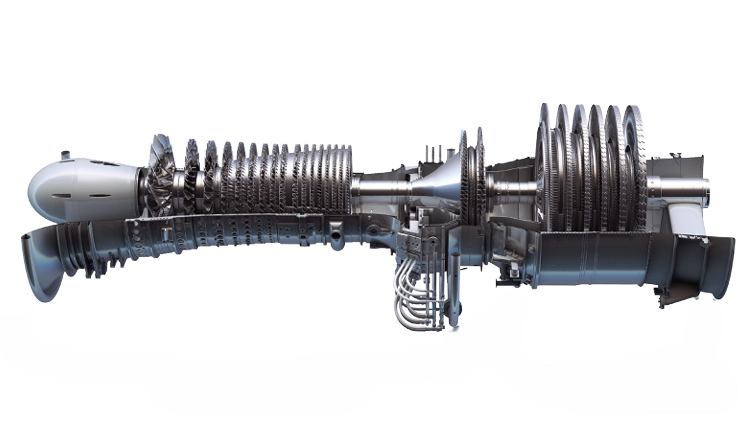
The LM2500 Gas Turbine is a high-efficiency power unit designed for use in industrial, marine, and utility applications. It’s commonly used for grid support, combined heat and power, and in mobile or remote power installations.
The turbine uses a single-rotor gas generator that can be connected to a power turbine. Inside, it includes a 16-stage compressor, an annular combustor, and a two-stage high-pressure turbine—to deliver strong performance in demanding environments.
Built for flexibility, the LM2500 is well-suited for operations that require frequent start-and-stop cycles. It can ramp up from a cold shutdown to full power in under five minutes, making it a reliable option for fast, on-demand power delivery.
Adding to its versatility, the LM2500 supports a wide range of fuels—including natural gas, diesel, aviation fuel, naphtha, LPG, ethane, ethanol, biodiesel, and more. This fuel flexibility makes it easy to integrate into different operating environments.
Its proven adaptability and performance have made the LM2500 the most widely used gas turbine in the 25–37 megawatt range.
In addition to high efficiency and reliability, the LM2500 delivers low emissions—even in challenging environments or when water availability is limited. With control system redundancy and several configuration options, it offers a customizable solution for dependable, efficient power generation.
View Details
Gas Check Valve for LM2500 Gas Turbine
The Gas Check Valve is a unidirectional valve used in LM2500 gas turbine systems to prevent the reverse flow of combustion gases into critical fuel and oil lines. Its primary function is to maintain the correct flow direction, ensuring that gases only travel toward the combustion chamber and not back into upstream components, where reverse flow could cause damage, safety risks, or system inefficiencies.
This check valve is engineered to operate under the high-pressure and high-temperature conditions typical of industrial gas turbine environments. It serves as a passive safety component, requiring no external power to function, and contributes to the overall reliability and integrity of the turbine system.
Commonly found in aero-derivative gas turbines used in oil and gas applications, the check valve is essential for maintaining proper system performance. Its inclusion in the turbine’s gas path helps ensure safe operation by minimizing the risk of combustion gas contamination in auxiliary systems.
View Details
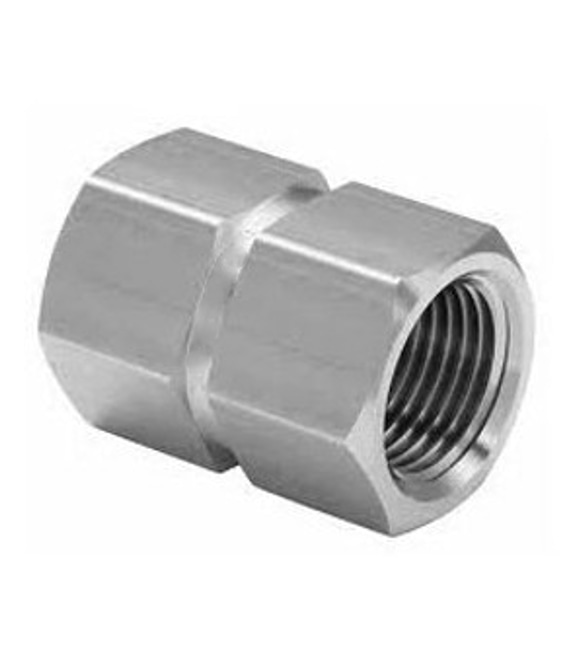
Hex Reducing Couplings Female NPT are precision pipe fittings designed to connect two pipes of different sizes while maintaining a secure, leak-tight connection. The female NPT threads provide a tapered seal that ensures a tight fit when connected to a male NPT thread, making them suitable for high-pressure systems up to 10,000 PSI. The hex shape of the coupling allows for easy tightening with standard tools, providing both convenience and reliability during installation.
Reducing couplings are specifically used when there is a need to transition between different pipe sizes in a system, allowing for flexibility in design and modification of existing pipelines. They help maintain proper flow rates, pressure, and system integrity without the need for custom fittings. This makes them essential in oil and gas systems where varying pipe sizes are common.
These couplings are manufactured from high-quality materials and are compliant with recognized standards, including ASME B1.20.1, SAE AS71051, ISO 7-1, and ISO 228, ensuring consistency, traceability, and durability in demanding applications. Hex Reducing Couplings Female NPT are ideal for situations where space is limited and a reliable connection between different pipe sizes is required, supporting both operational safety and system efficiency.
View Details
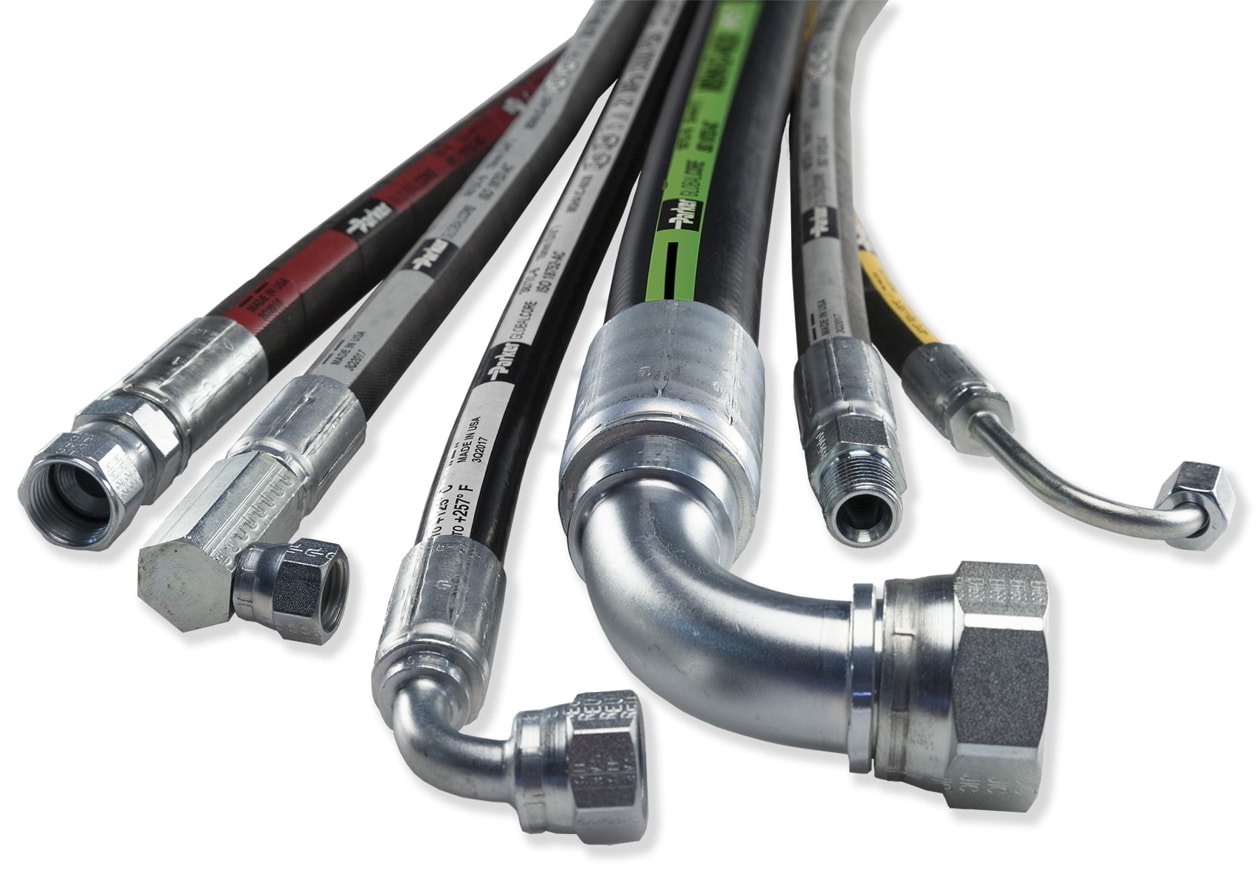
Hydraulic hoses for industrial equipment applications
Just like a hose you might use to water your garden, the purpose of a hydraulic hose is to allow fluid to flow from one component to another – in this case hydraulic fluid. The hose is the conduit that ensures the fluid is able to travel unimpeded and it's a vital part of keeping hydraulics systems moving. A hydraulic hose is used anywhere in a hydraulic system requiring a flexible connection between two fluid ports. A hydraulic hose is a synthetic rubber tube surrounded by some sort of flexible strength enhancing winding, such as metal or fiber, and then covered in another rubber carcass. Flow velocity is determined by both the hydraulic pump's flow rate and the hydraulic hose size. Changing the flow rate of the hydraulic pump but leaving the hydraulic hose size the same will affect flow velocity. Standard high pressure hydraulic hose 1SN can in -40°C to +100°C, ID 4.8–50.8mm, OD 11.8–64mm, operating pressure 40–250, burst pressure 160–1000 bar. View Details
Shipping Containers for multiple purposes, 20 foot and 40 foot standard or hi-cube
A shipping container is a container with strength suitable to withstand shipment, storage, and handling. Shipping containers range from large reusable steel boxes used for intermodal shipments to the ubiquitous corrugated boxes. The 20ft shipping container is the most popular and widely used container. It’s the smallest of the standard container range and is the most popular choice for intermodal transport, as it’s the easiest to move around. The 40ft high cube container is a taller version of the 40ft container, and is great for moving over-height cargo (up to 2.7m or 8.1ft tall). View Details
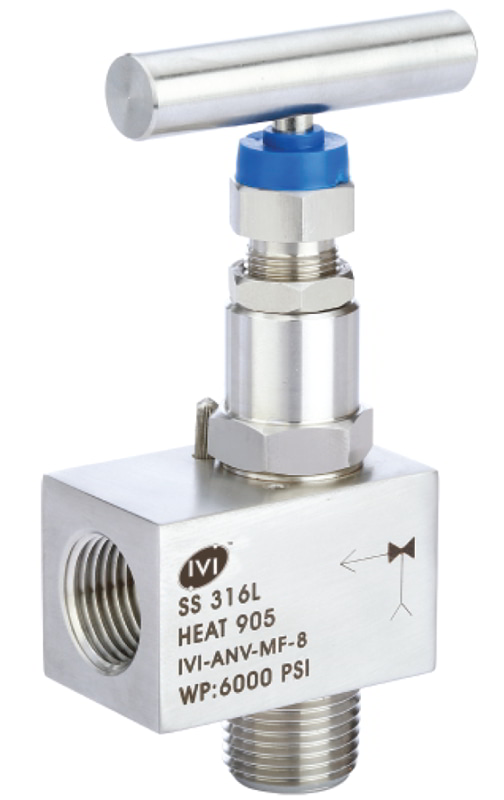
Angle Pattern Needle Valves Male x Female are designed to control the flow of liquids or gases in a piping system. The angle pattern allows the flow to change direction by 90 degrees, reducing piping complexity and minimizing pressure drop.
The male x female configuration enables easy connection to different pipe types and sizes, providing flexibility for installation in various system layouts. These valves are suitable for high-pressure applications, ensuring reliable and leak-free operation.
In oil and gas operations, they are used for controlling flow to instruments, transmitters, or equipment where space is limited and accurate flow control is needed. Metal-to-metal seals and durable stems ensure long-term performance under demanding conditions.
View Details
Capillary Deliquification Safety System
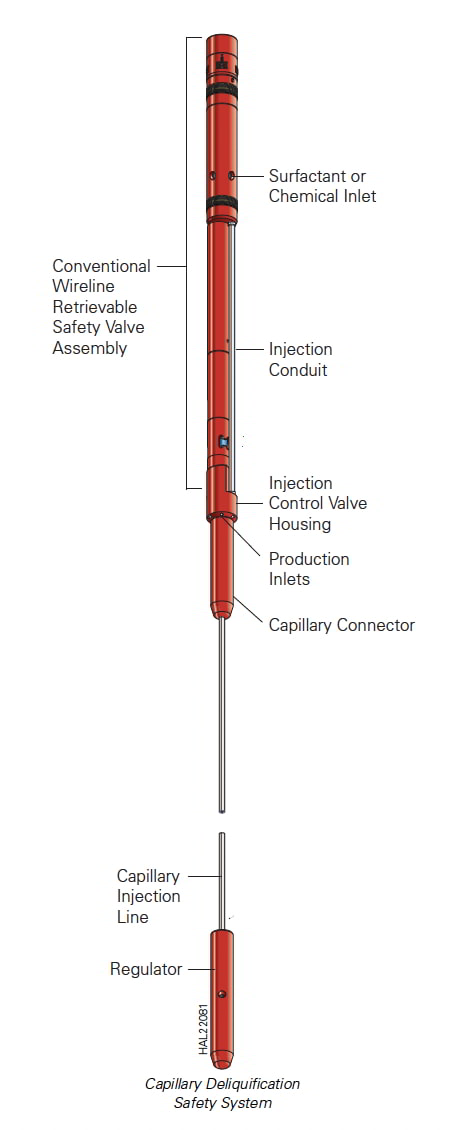
In mature fields, liquid loading of gas wells is a common problem. In the short term, this can lead to decreased production, and if not managed correctly, can ultimately reduce overall reservoir recovery. One option for managing the problem is the use of surfactants as foaming agents to artificially unload the well. The preferred method would allow automatic and continuous delivery of these surfactants. The capillary deliquification safety system facilitates delivery of surfactants or other chemicals and liquids to a specified point within the completion, while maintaining the purpose and functionality of a downhole safety device. The deliquification safety system can be installed in an existing completion with the appropriate safety valve landing nipple (SVLN) profile — either a dedicated SVLN or within a tubing-retrievable safety valve (TRSV) in which the control system communication is activated to operate an installed wireline-retrievable safety valve (WLRSV). The system’s injection feature operates via the WLRSV control system. When control-line pressure reaches a predetermined pressure, a regulator installed below the WLRSV opens, allowing chemical injection to occur. Use of the existing control line provides a cost-effective method of installing a semi-permanent injection system without the need to modify the wellhead. The WLRSV is designed to shut in the well at a point below the surface and is opened with hydraulic control pressure. In this application, the applied chemical injection pressure maintains the safety valve in the open position during injection, and the valve closes when injection is stopped. Applications » Chemical injection for gas well deliquification or scale treatment purposes » Available for landing nipples/TRSVs with 2.75-in. and larger sealbores Features » Field-proven WLRSV » Equalizing or non-equalizing-type flapper closure *information referenced from supplier catalog. View Details
B-KWIK Control Line and Cable Protector
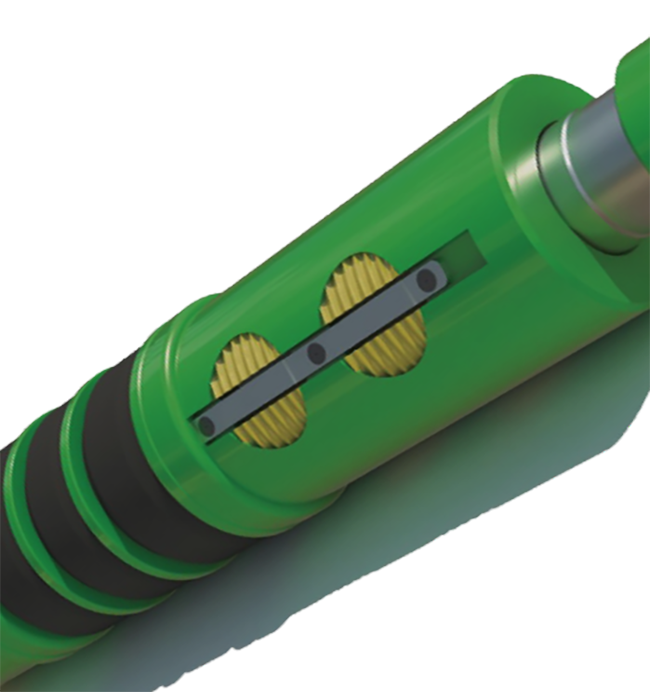
Cross coupling protectors are essential tools used in the oil and gas industry during the installation of completions in oil and gas wells. These protectors provide a variety of benefits that make them a necessary investment for any oil and gas company. Protects Control Lines: Cross coupling protectors help protect control lines from damage that can be caused by the installation process, environmental factors, and other external factors. By providing an extra layer of protection, the control line can last longer and reduce the need for costly repairs or replacements. Prevents Fluid Contamination in Cables: Cross coupling protectors prevent fluid contamination by keeping debris and other unwanted materials out of electrical cables during installation. This is particularly important in the oil and gas industry where contamination can lead to significant safety risks, equipment damage, and production losses. Reduces Maintenance Costs: The installation of cross coupling protectors can help reduce maintenance costs. By protecting control lines and cables the completion is less likely to require maintenance or repair. This can result in significant cost savings over the long-term. Improves Efficiency: Cross coupling protectors help to improve the efficiency of the installation process. By providing a secure connection and preventing contamination, the installation process can be completed more quickly and with fewer re-work. This can help to reduce downtime and increase productivity. Enhances Safety: Cross coupling protectors enhance safety by reducing the risk of equipment failure and fluid contamination. This can help to prevent accidents and injuries, and ensure that the installation process is completed safely. The use of cross coupling protectors is critical to the successful installation of tubing in oil wells. They provide numerous benefits including protecting tubing joints, preventing fluid contamination, reducing maintenance costs, improving efficiency, and enhancing safety. By investing in cross coupling protectors, oil and gas operators can ensure the long-term success of their operations while improving their bottom line. View Details
7" HP-6 Hydraulic Set High Angle Production Packer for 20-26 PPF Casing
Ballycatter HP-6 High Angle Production Packer
Available sizes: 4 1/2”, 5”, 5 1/2”, 6 5/8”, 7”, 7 5/8”, and 9 5/8”
The Ballycatter HP-6 is a compact, hydraulically set production packer designed for low to medium-pressure applications in high-angle and horizontal wells. With a short body length and no tubing movement required for setting, the HP-6 is ideally suited for tight-radius deviations, stacked completions, and coiled tubing operations.
It can be run in single or multiple packer installations with sequential setting in a single trip, reducing rig time and complexity.
Rated to 7,500 psi and tested in Q125 casing, the HP-6 features a straight-pull release mechanism that is fully isolated from hydraulic pressure, allowing low shear-out force even under full differential pressure.
Built-in bypass ports equalize pressure during retrieval, ensuring smooth release and reducing swab risk. The tool can be set using rig pumps, and its economical design allows for easy redress and reuse. Optional rotational release is available for added flexibility in challenging retrieval scenarios.
Engineered with materials and elastomers for hostile environments, the HP-6 delivers dependable performance in offshore operations, high-angle wells, and cost-sensitive completions requiring reliability without unnecessary complexity.
View Details
The Bore Through Male Connector NPT fittings are engineered to create robust, leak-free connections in high-pressure systems. These fittings feature a bore-through design, allowing fluid or gas to flow freely without obstruction, which minimizes pressure drop and ensures consistent system performance. Made from high-quality materials, they are suitable for pressures up to 6000 PSI and are manufactured to meet ASME B16.34, MSS-SP-99, and ASME B31.3 standards.
The NPT (National Pipe Thread) male connection ensures a tight seal when connected to compatible threaded components, providing reliable performance in oil and gas, chemical, and process industries. The fittings are precision-machined for proper ferrule deformation, which ensures leak-free connections under vibration, impulse, or vacuum conditions. Silver-plated threads reduce friction and prevent galling, while the bore-through design supports high flow rates without obstruction.
Bore Through Male Connector NPT fittings are easy to install and maintain. They are finger-tight for initial assembly and then wrench-tightened to achieve a secure seal, reducing installation errors and downtime. Their design allows disconnection and reconnection without compromising sealing integrity, making them suitable for applications requiring frequent maintenance or system modifications.
These fittings are unique in combining full-flow capability, high-pressure performance, and reliable sealing in a compact, easy-to-install form, making them ideal for demanding oil and gas systems, process lines, and high-pressure instrumentation setups.
View Details
Slickline Swabbing Mandrel Assembly
Optimize Your Well Performance with HOCA Oil Tools' Swabbing Mandrel Assembly In the specialized field of downhole operations within the oil and gas industry, the demand for high-quality, efficient, and reliable tools has never been higher. At HOCA Oil Tools, we stand at the forefront of downhole innovation, providing our clients with advanced solutions designed to optimize well performance and enhance operational efficiency. One such innovation is our Swabbing Mandrel Assembly, a key component in maintaining well pressure and fluid levels. Introducing HOCA's Swabbing Mandrel Assembly: Precision and Efficiency Downhole The HOCA Swabbing Mandrel Assembly is engineered for optimal performance in fluid lifting and wellbore cleaning operations. Designed with the end-user in mind, our Swabbing Mandrels are built from high-grade materials to withstand the rigors of the downhole environment, ensuring durability and long-term service. Compatible with a variety of tubing sizes, our assemblies are tailored to meet the specific requirements of your well operations. Elevating Downhole Operations with HOCA Oil Tools At HOCA Oil Tools, we are committed to advancing the capabilities of the oil and gas industry through our innovative downhole solutions. Our Swabbing Mandrel Assembly is a testament to this commitment, offering a blend of precision, efficiency, and reliability that sets new standards for well performance and maintenance. Integrating HOCA’s Swabbing Mandrel Assembly into your downhole operations means investing in the future of your wells. Not only do our tools enhance operational efficiency, but they also contribute to the overall safety and sustainability of your operations. With HOCA, you're not just purchasing a tool; you're acquiring a partner in downhole success. Unlock the full potential of your downhole operations with HOCA Oil Tools. Experience unparalleled performance, efficiency, and reliability with our Swabbing Mandrel Assembly, and take the first step towards optimized well performance and operational excellence. Choose HOCA Oil Tools for your downhole needs and join the ranks of satisfied clients who have experienced the difference our solutions can make. Elevate your operations with the precision and quality of HOCA’s downhole solutions – where excellence meets innovation. View Details
Gauge Root Valve – Male x Female – 1/4” NPT – 6000 PSI – ASME B16.34 / ISO 9001 / PED / ATEX
The Gauge Root Valve Male x Female 1/4” NPT is designed to provide reliable isolation and control for pressure measurement instruments in chemical, petrochemical, and oil and gas applications. It allows a secure connection between the process line and pressure gauges, ensuring accurate readings while preventing backflow and leakage. This size is commonly used where compact instrumentation connections are needed, offering precise control in tight piping configurations.
The valve is constructed and tested according to ASME B16.34 for pressure and temperature ratings and complies with ISO 9001, PED, and ATEX standards, confirming quality and suitability for use in hazardous or pressurized environments. It has a standard working pressure of 6000 PSI, with higher pressures available upon request. The metal-to-metal body and bonnet seal ensures high-pressure and temperature performance, and the self-centering, non-rotating stem tip provides consistent shutoff for leak-free operation.
Additional design features include a simple, adjustable gland retainer for stable packing, a back seat for added security, a removable T-handle for low torque operation, and a dust cap to protect the stem from contamination. All valves are 100% factory tested for seat and packing leakage using nitrogen gas at 1000 PSI, ensuring reliable performance. This valve is ideal for isolating and protecting pressure measurement instruments.
View Details
2" Globe-Style Gas Metering Valve
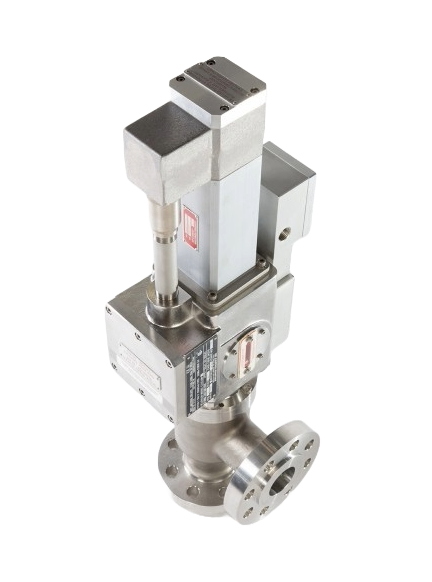
The 2” Globe-Style Gas Metering Valve is designed to provide precise regulation of fuel gas flow in industrial and aero-derivative gas turbines. Its globe valve design offers excellent throttling capabilities, allowing fine control over fuel delivery to maintain the optimal fuel-to-air mixture necessary for efficient combustion. This precise control is crucial for achieving stable turbine performance, reducing emissions, and optimizing fuel consumption.
Constructed with robust materials, the valve is built to withstand the high pressures and temperatures commonly encountered in gas turbine applications. Its durable design ensures long service life and reliable operation even under demanding conditions. The valve features foolproof electrical cables and connectors, enhancing installation safety and reducing the risk of connection errors.
The valve’s compact size and right-angle configuration facilitate straightforward integration into existing turbine fuel systems. Compared to previous models, this valve is an upgrade due to its improved electrical interface and enhanced durability, which reduce maintenance needs and increase operational reliability.
By accurately controlling fuel flow, the 2” Globe-Style Gas Metering Valve helps prevent issues such as flame instability and combustion inefficiency, contributing to smoother turbine operation and lower maintenance costs. It is widely used across various turbine models, including aero-derivative and small- to mid-frame industrial turbines, where precise fuel metering is critical for maintaining performance and compliance with environmental standards.
View Details
Hydraulic Set Retrievable 5 ½” Production Packer
The HP-1 Hydraulic Set Retrievable Production Packer is a critical downhole tool that enhances well integrity, operational flexibility, and production efficiency. Designed for production, injection, and zonal isolation, it allows operators to securely seal the wellborewithout requiring tubing manipulation, reducing rig time and operational complexity. The hydraulic setting mechanism ensures precise deployment at any depth, making it especially valuable for low hydrostatic head wells and multi-packer completions.
This packer minimizes risk and enhances asset performance by providing a reliable, mechanically locked seal that maintains integrity despite pressure fluctuations or tubing movement. The hydraulic hold-down system and multiple packing elements ensure a secure, long-term seal, reducing intervention costs and the risk of production loss. Its retrievable design—with both straight-pull and optional rotational release—improves well servicing efficiency, reducing downtime and workover expenses.
By integrating the HP-1 packer into completion strategies, producers can achieve higher operational efficiency, improved well performance, and lower overall costs. Its versatile application in production and injection wells makes it a strategic investment for optimizing reservoir management and maximizing hydrocarbon recovery in both conventional and challenging well environments.
View Details
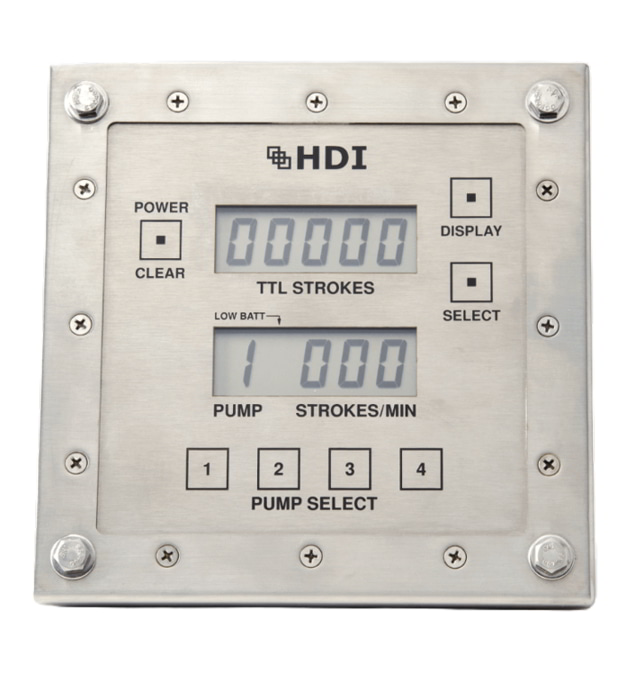
HDI 2100 Pump Stroke Counter System
The HDI 2100 Pump Stroke Counter System is an electronic device designed to monitor mud pump performance in oil and gas drilling operations by accurately counting and displaying the number of strokes and stroke rates of up to four pumps simultaneously. Mud pumps play a critical role in circulating drilling fluids (mud) through the wellbore, and monitoring their operation is essential to maintain drilling efficiency, detect malfunctions, and ensure safe operation.
This system provides real-time stroke data updated every second, allowing operators to track pump activity precisely. It consists of a stainless steel control head with an LCD display, a power pack, cables, and sensors (either microswitch or proximity types). The control head can be mounted on a control panel either from the front or back, offering flexibility for installation in existing drilling consoles.
The internal quartz crystal oscillator guarantees accurate stroke counting without drift, meaning the system does not require regular recalibration, reducing maintenance needs. The system is powered by a sealed 3.6V battery designed to last approximately 18 months under continuous operation. Field-replaceable processor boards simplify repair and troubleshooting without needing to replace the entire unit.
Operating in harsh environments common to both land and offshore drilling, the 2100 features a sealed stainless steel case and durable piezoelectric switches for long life even under high vibration conditions. It supports integration with Human Machine Interfaces (HMI) and Programmable Logic Controllers (PLC) through dual sensor outputs, enabling automated monitoring and control within drilling systems.
The stroke rate range covers 11 to 300 strokes per minute, with the total accumulated strokes displayed up to 65,535. Operating temperature ranges from -40°C to 100°C, making it suitable for a wide range of drilling environments. The system’s combination of rugged design, accurate measurement, and flexible installation makes it a reliable tool for real-time mud pump monitoring critical to maintaining drilling safety and operational efficiency.
View Details
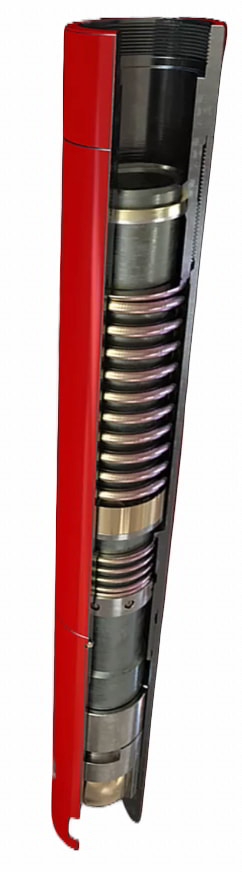
NE Safety Valve, Surface Controlled 4-1/2 inch
The NE™ tubing-retrievable safety valve (TRSV) is a single rod-piston non-elastomer flapper valve designed for general production with enhanced reliability and long life. The valve includes the non-elastomer hydraulic actuator design from the highly reliable SP™ line of safety valves. Along with the metal-to-metal (MTM) body joints and closure mechanism, the actuator places this valve in the premium category while keeping costs economical. The simple, compact design enhances the valve’s overall reliability and provides for trouble-free operation. Applications » General production completions » Hostile well environments incompatible with elastomers Features » Non-elastomer dynamic piston seals » Simple compact design » 100% MTM well containment in closed position » Positive debris barrier at both ends of flow tube » No construction seals used in the lockout and communication system » Unique flow tube construction prevents debris from settling on top of flow tube *information referenced from supplier catalog. View Details