Don't have an account? Join for free
Cart
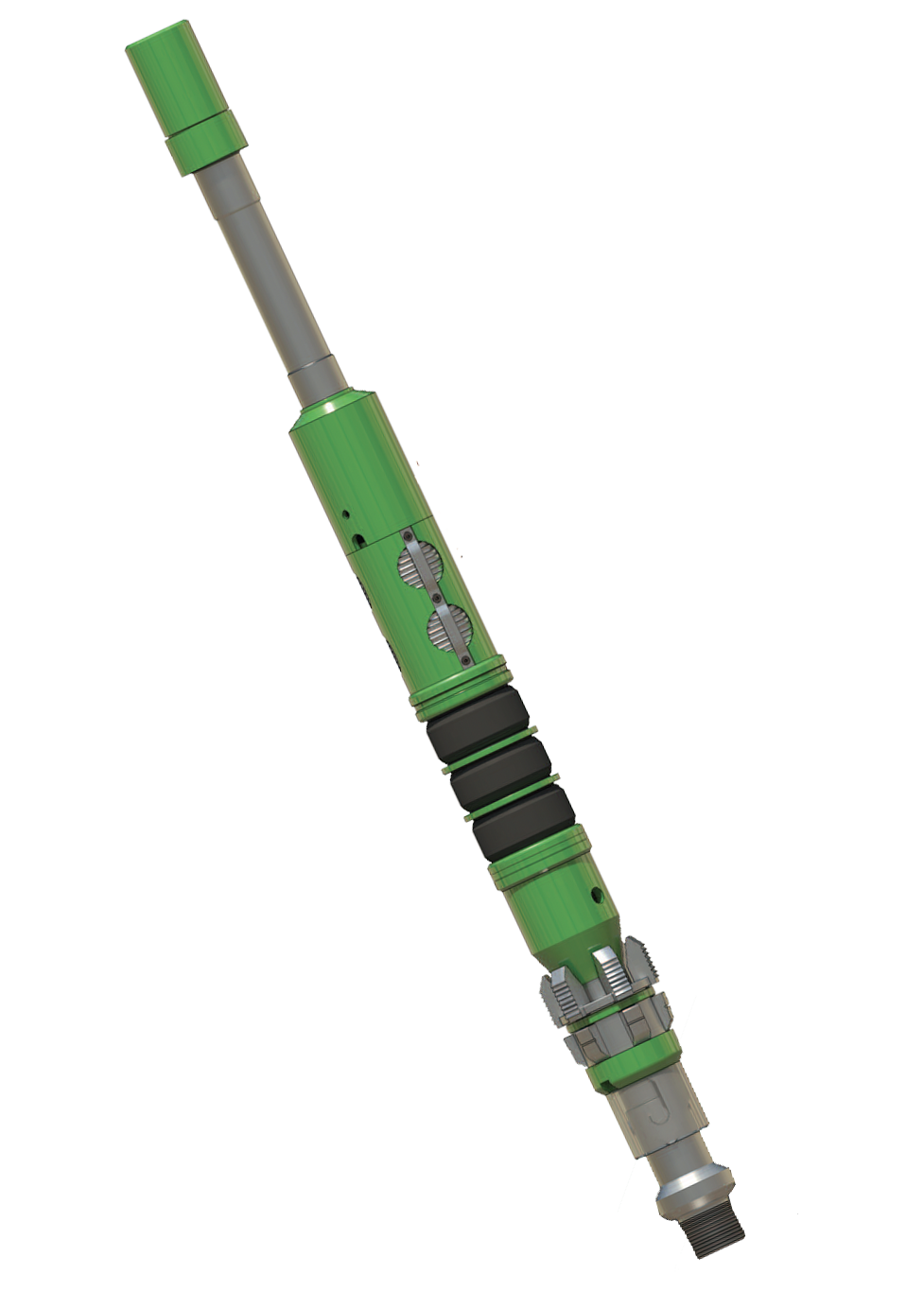
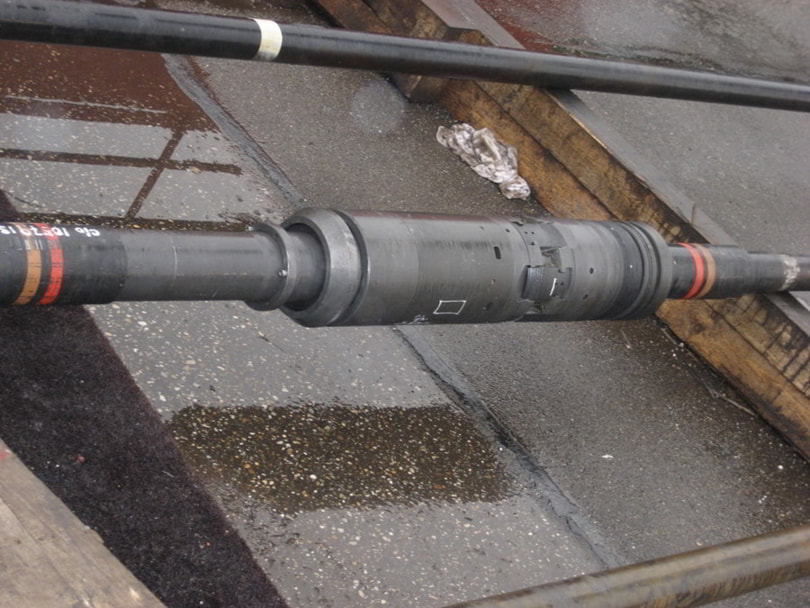
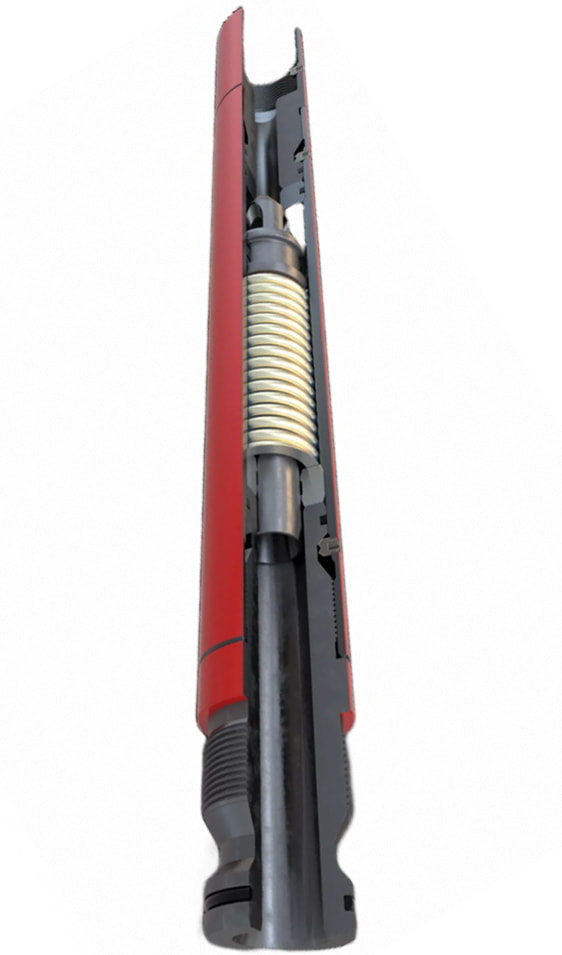
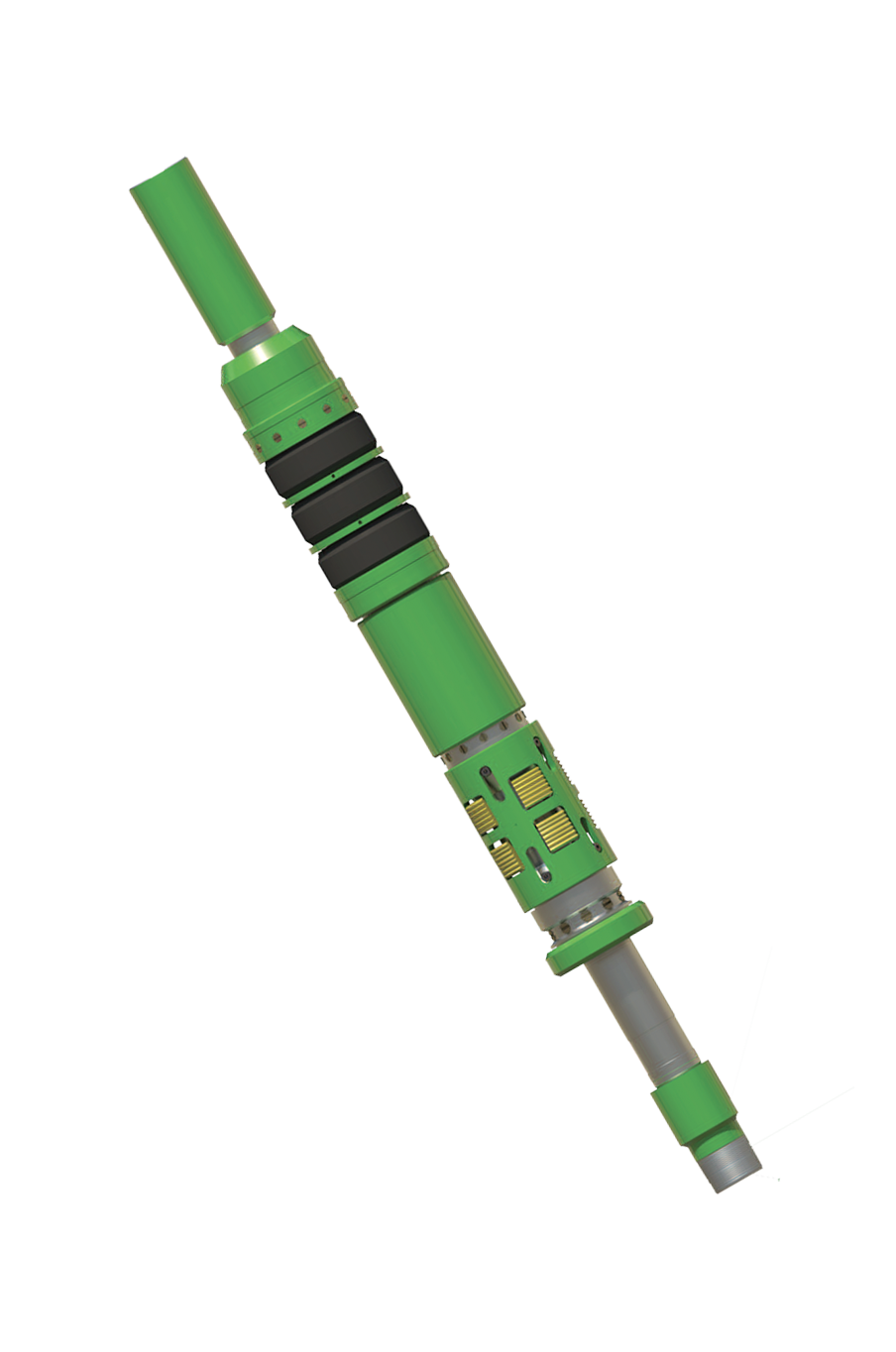
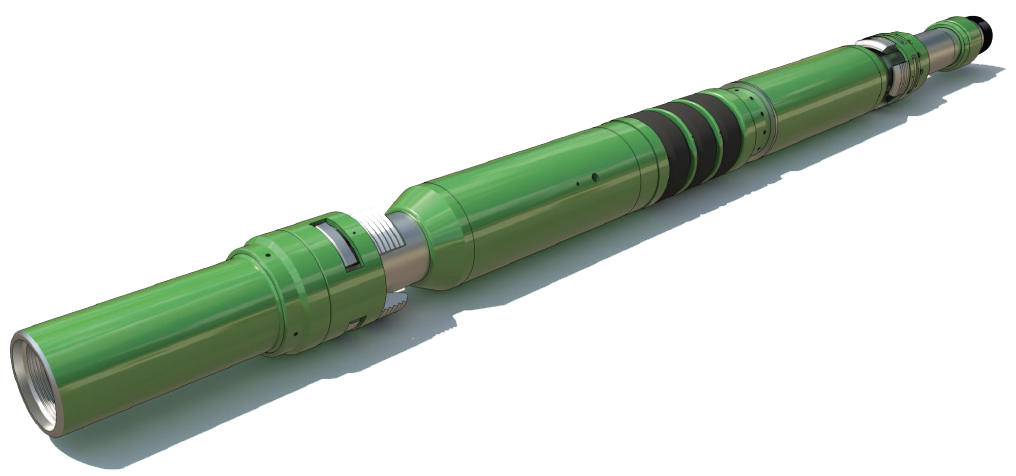
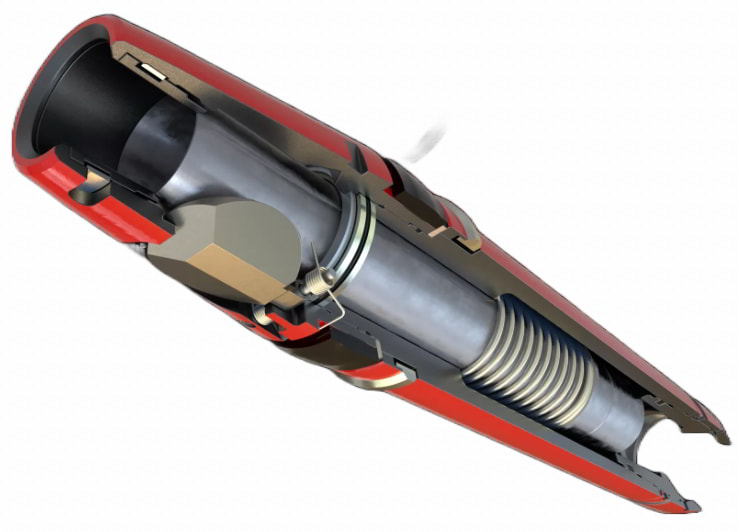
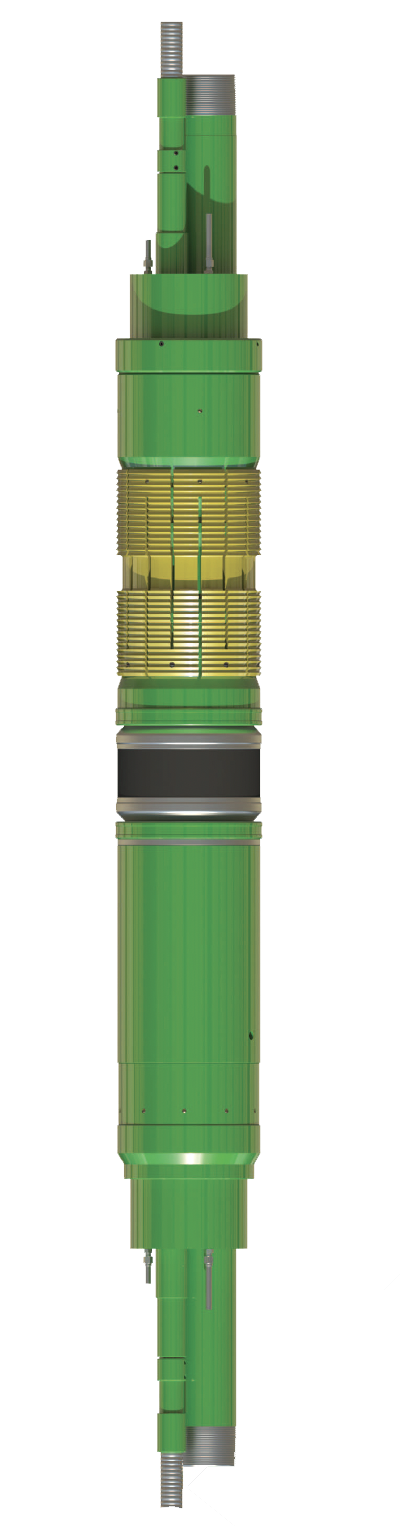
The Ballycatter 9 5/8” Feedthrough Packer is a robust hydraulic-set packer built for large-bore completions in 9 5/8” casing. Designed for high-volume production and injection applications, this packer features bi-directional barrel slips that anchor it against pressure fluctuations and tubing movement, ensuring stability and well integrity.
The pass-through cable section enables a secure electrical connection to below, maintaining operational efficiency in high-flow rate wellbores. Its durable single-mandrel construction and Acner Array Packing Element provide exceptional resistance to high temperatures and corrosive environments, making it an ideal choice for challenging downhole conditions.
The 9 5/8” Feed-Thru Packer is set hydraulically by applying tubing pressure against a plugging device, mechanically locking the slips and sealing elements in place. Its dual-grip anchoring system enhances stability, making it particularly suited for large-bore completions with significant tubing expansion and contraction forces.
The straight pull retrieval mechanism allows for efficient removal and reduced intervention costs, ensuring minimal downtime and operational efficiency. Compatible with all major cable pack-off systems, this packer provides high-performance isolation and superior sealing integrity in large-diameter wells.
View Details
Halliburton SP 7 inch TR-SCSSSV
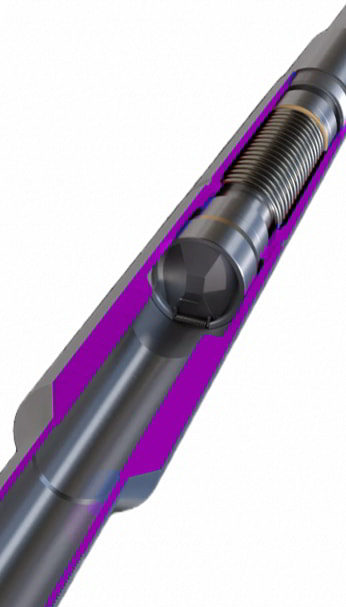
The SP™ tubing-retrievable safety valve (TRSV) is a single rod-piston non-elastomer flapper valve designed for hostile environments and extended life applications where ultimate reliability is required. Potential leak paths within the valve are minimized with the single rod-piston design. The piston achieves a metal-to-metal (MTM) seal at its uppermost and lowermost positions to seal well pressure from the control system. The SP valves incorporate flappers using spherical radius sealing surfaces that help greatly improve seal reliability. The spherical radius design provides full MTM sealing integrity. For applications where either the OD or ID is restrained, SP valves incorporate a contoured flapper. OD/ID relationships are improved by the contoured flapper design, which helps provide superior MTM sealing when compared to other forms of curved flapper technology. Applications » For applications requiring ultimate reliability and longevity, such as high-temperature/high-pressure, and subsea completions, or hostile well environments Features » Non-elastomer dynamic piston seals » MTM static seal at upper and lower piston positions » MTM body joints » Flow tube fluted guide » 100% MTM flapper » Concentric thrust bearing » Wiper ring on upper flow tube » Cleanout ports in flow tube’s upper end » Internal exercise profile » Flow tube shock absorber » MTM face seat at flow tube downstop » Setting depths to 9,000 ft (2743 m) » Critical components isolated from well debris with valve in open position » Area above flow tube free of solids buildup » Flow tube can be manipulated by slickline » Protected from high flow rate slam closures *information referenced from supplier catalog. View Details
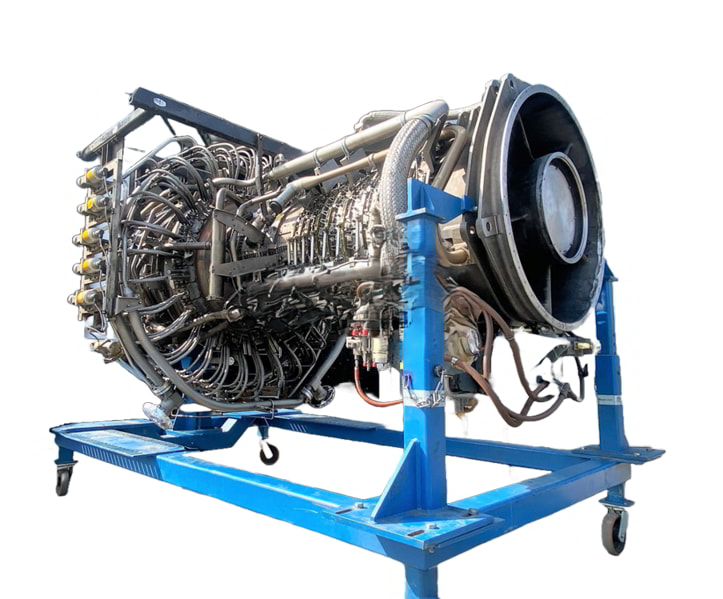
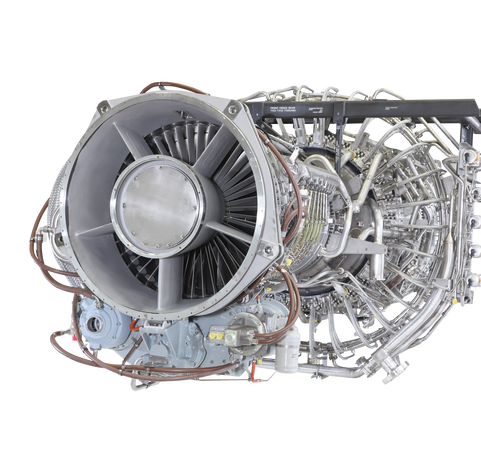
The LM2500 SAC Gas Turbine features a Single Annular Combustor (SAC) system—a type of combustion chamber where fuel and air are mixed and burned in a single, annular-shaped chamber. This design allows for efficient combustion with lower emissions and better fuel-air mixing. The turbine also supports dual-fuel capabilities, operating on both gas and diesel, offering greater flexibility in environments where fuel availability may vary.
Its open configuration is designed for accessibility, making maintenance tasks faster and more straightforward. This also allows for quicker engine removal or replacement, helping reduce downtime during service operations.
The LM2500 SAC is widely used across multiple industries, including electrical power generation, mechanical drive systems, and marine propulsion, due to its reliability, fuel flexibility, and proven performance in demanding conditions.
View Details
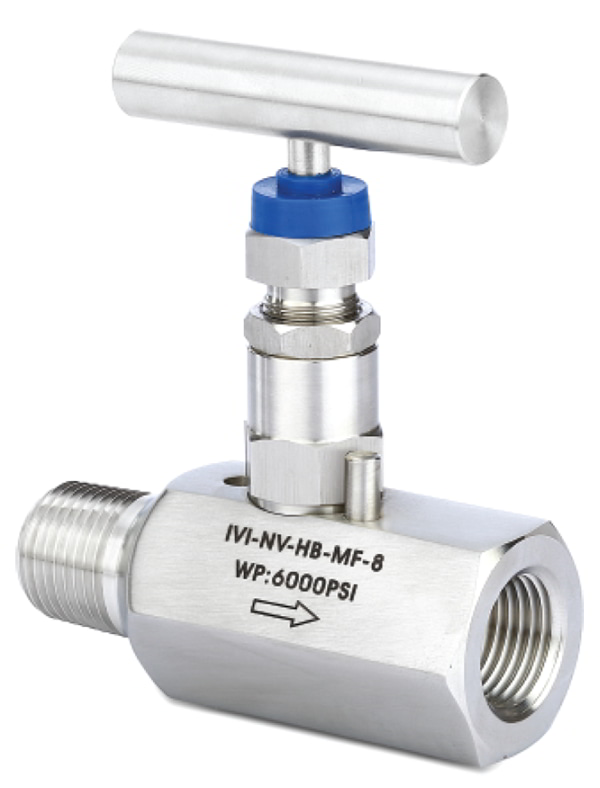
The Gauge Root Valve Male x Female with Lagging Extension is designed for controlling and isolating pressure instruments on pipelines where insulation is applied. The lagging extension allows the valve handle to extend above the insulation, ensuring operators can access and operate the valve safely without removing or damaging the insulation. This design maintains the integrity of the insulated pipeline while providing reliable valve operation.
The valve is manufactured to ASME B16.34 standards and meets ISO 9001, PED, and ATEX requirements, ensuring quality and compliance for industrial and oil and gas applications. It is rated for a standard working pressure of 6000 PSI and can be supplied for higher pressures upon request. The temperature range of the valve spans from -50°C to 230°C, with higher temperature options available with graphite sealing. A metal-to-metal body bonnet seal provides high-pressure and high-temperature sealing without the need for O-rings.
The valve features a back-seated stem for added security, a self-centering non-rotating tip for consistent shutoff, and a simple adjustable gland retainer for stable packing. The rolled stem threads and mirror-finished stem through the packing allow smooth operation, reduce packing wear, and provide long-lasting performance. The removable “T” handle and dust cap on the stem further enhance ease of use and protection.
This valve is particularly suitable for applications where pipelines are insulated, allowing for accurate gauge measurement, safe operation, and minimal disruption to insulation.
View Details
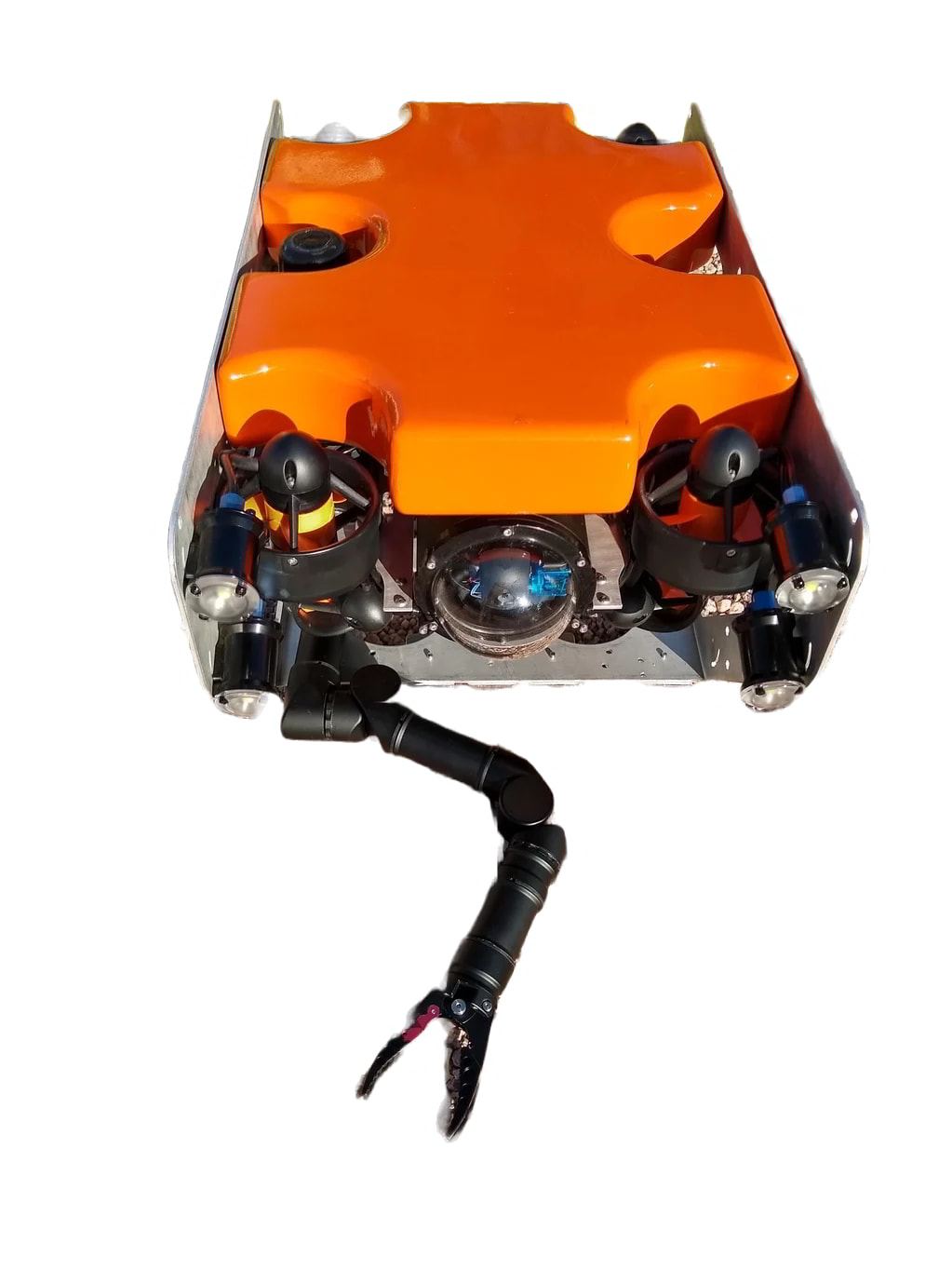
Custom buoyancy options for color, depth rating, and covering area
Unleashing the Power of Custom Buoyancy Units for Subsea Robotics We are driven by a passion for innovation and a commitment to empowering the subsea exploration industry. Today, we are thrilled to introduce our latest breakthrough - Custom Buoyancy Units. These state-of-the-art buoyancy solutions are designed to enhance the performance and versatility of your subsea robotics, delivering unparalleled control and efficiency in every underwater mission. Tailored to Your Needs: Custom Buoyancy Options We understand that no two subsea missions are the same, and that's why our Custom Buoyancy Units offer a world of possibilities to cater to your specific requirements. From the color and depth rating to the covering area, you have the flexibility to customize every aspect of the buoyancy units, ensuring they align perfectly with your operational needs. Color Customization for Enhanced Visibility In the challenging depths of the ocean, visibility is paramount. Our Custom Buoyancy Units can be tailored in vibrant colors to improve visibility and tracking during underwater operations. Whether you need to differentiate between multiple ROVs in the water or simply want to enhance visual identification, our color options offer the solution you need. Optimal Depth Rating for Any Mission Every subsea mission comes with unique depth challenges. With our Custom Buoyancy Units, you have the power to choose the optimal depth rating that suits your specific application. From shallow-water surveys to deep-sea explorations, our buoyancy solutions are engineered to withstand the pressures of varying depths, ensuring your ROVs perform at their best. Covering Area: Precision Engineering for Stability Stability is crucial in subsea operations, and our Custom Buoyancy Units are meticulously designed to provide the perfect covering area for your ROVs. Through precision engineering and advanced materials, we offer buoyancy units that maintain the ideal balance between buoyancy and stability, resulting in smoother and more controlled underwater movements. Redefining Subsea Robotics As pioneers in subsea robotics, we continues to push the boundaries of innovation. With our Custom Buoyancy Units, we are reshaping the future of underwater exploration. By putting the power of customization in your hands, we enable you to unlock the full potential of your ROVs and achieve new heights in subsea missions. Unleash Your ROV's Potential Discover the limitless possibilities that await your subsea robotics with Custom Buoyancy Units. Elevate your underwater operations, optimize your ROV's performance, and gain an edge in your field with our cutting-edge buoyancy solutions. Contact Us Today Take the first step towards transforming your subsea missions with Custom Buoyancy Units. Our team of experts is ready to assist you in tailoring the perfect buoyancy solution for your unique needs. Embrace the power of customization and embark on a new era of subsea exploration with Ballycatter as your trusted partner. Contact us today to unlock the true potential of your subsea robotics. View Details
The LM2500+G4 is an advanced variant of the LM2500+ aeroderivative gas turbine, designed to provide increased output and thermal efficiency through a set of targeted design upgrades. It retains the core architecture of the LM2500+ but introduces changes to the flow path that increase overall engine performance.
The primary difference between the LM2500+G4 and the LM2500+ is the increased flow capacity in the high-pressure (HP) compressor, HP turbine, and low-pressure turbine. These modifications raise the overall pressure ratio from 23.6 to 24.2, resulting in higher thermal efficiency and greater mass flow. The design changes are relatively limited, focusing mainly on minor geometry adjustments to blades and vanes to accommodate the increased flow.
In the high-pressure turbine, the G4 version includes improved blade cooling and upgraded materials. These changes enable the turbine to handle higher temperatures, contributing to both improved performance and component durability. To maintain proper rotor thrust balance with the updated flow path, the effective area of the compressor discharge pressure seal was also adjusted.
In terms of operational performance, the LM2500+G4 offers measurable improvements over the LM2500+ across a variety of ambient conditions. For example, it delivers approximately 11% more power in cold conditions and 12% more in hot conditions (running data to -50 deg F and start data to –40 deg F). In combined-cycle mode, the G4 variant is expected to provide a power increase of 8.5% and a heat rate improvement of 0.75% compared to the LM2500+.
The LM2500+G4 supports two power turbine configurations:
Both configurations support operation over a cubic load curve, which allows the turbine to match power output with varying mechanical loads — a feature especially useful in pipeline compression and similar variable-load industrial applications.
View Details
Hydraulic cylinder for various industrial applications
A hydraulic cylinder is a mechanical actuator that is used to give a unidirectional force through a unidirectional stroke. The hydraulic cylinder consists of a cylinder barrel, in which a piston connected to a piston rod moves back and forth. The barrel is closed on one end by the cylinder bottom (also called the cap) and the other end by the cylinder head (also called the gland) where the piston rod comes out of the cylinder. The piston has sliding rings and seals. The piston divides the inside of the cylinder into two chambers, the bottom chamber (cap end) and the piston rod side chamber (rod end/head-end). View Details
Wireline Set 7" Drillable Bridge Plug
The Ballycatter Model WC-WLBP Wireline Set Drillable Bridge Plug is a high-performance isolation tool designed for use in a variety of wellbore applications, including zonal isolation, well stimulation, cementing operations, and both temporary and permanent well abandonment.
Engineered for reliability and efficiency, this bridge plug is rated for 10,000 psi and temperatures up to 400°F, making it suitable for challenging downhole environments. One of its key advantages is its versatile setting options, allowing it to be deployed via wireline, mechanical, or hydraulic methods, depending on operational requirements.
The WC-WLBP model is also part of a modular system, enabling easy conversion between a cement retainer, a wireline set bridge plug, or a mechanical set bridge plug, providing adaptability across multiple well intervention needs.
The WC-WLBP’s advanced design enhances its deployment efficiency and downhole performance. The tool features increased clearance and a locked construction, which improves its run-in characteristics by minimizing the risk of premature setting or swab-off forces during descent. Additionally, the body lock ring mechanism plays a crucial role in maintaining consistent pack-off by trapping the setting force within the element. This ensures a reliable seal, even during pressure reversals, preventing unwanted fluid migration between isolated zones.
The bridge plug’s drillable construction allows for efficient post-operation removal, reducing operational downtime and ensuring smooth wellbore restoration when needed.
As part of Ballycatter’s modular plug system, the WC-WLBP provides significant operational flexibility by allowing conversion between various plug types, reducing the need for multiple specialized tools and streamlining inventory management. Whether used as a standalone bridge plug or adapted into a cement retainer, this tool offers high reliability and performance in demanding well conditions.
Its robust pack-off mechanism and superior pressure-holding capabilities make it an ideal choice for operators seeking a dependable solution for wellbore isolation and completion operations.
View Details
Subsurface Direct Controlled Safety Valve 4.26 inch
The WI retrievable injection valve is a high-performance, high-flow rate injection valve. High throughput is achieved by a unique valve configuration that minimizes turbulent and potentially erosive flow. Operation is not dependent on a specific flow rate, pressure, or setting depth, thus negating the need for adjustment over time. The valve incorporates a metal-to-metal valve and seat energized by the combination of an integral spring and well pressure acting from below. The WI injection valve can be deployed on a wireline lock or through-tubing pack-off device, providing flexibility not available with alternative injection valve systems. As a result of the simple design with fewer parts, redress and repair costs are considerably lower than those for other injection valve systems. Applications The WI injection valve is primarily used in water injection applications as an alternative to conventional tubing or wireline-set safety valves. The valve is also commonly used as a retrofit solution in water injectors in which a tubing to annulus leak has occurred. The valve can be deployed below the leak point to eliminate uncontrolled annulus pressure increases when the injection stops. Features » Compatible with all known lock systems » Dedicated designs to suit Halliburton EB0 intervention packers » Enhanced internal flow profile » Simple design and construction » Flow-loop testing performed to establish pressure drop versus pump rate *information referenced from supplier catalog. View Details
LM2500 Cylindrical Roller Bearing R6
The Bearing, Roller, Cylindrical No. 6R is a precision-engineered component used in LM2500 aero-derivative gas turbines commonly employed in the oil and gas sector. Installed at the No. 6R position, this cylindrical roller bearing supports the turbine’s rotor shaft by carrying radial loads and maintaining accurate shaft alignment during high-speed operation.
Its specialized roller design allows it to withstand intense mechanical stresses and thermal changes typical in demanding oil and gas environments. By reducing vibration and ensuring smooth rotation, the bearing contributes to stable and efficient turbine performance, which is critical for continuous operation in upstream, midstream, and downstream applications.
The No. 6R bearing’s role in maintaining precise shaft positioning supports the overall durability and reliability of LM2500 turbines used in gas compression, power generation, and offshore platforms, making it a key element in sustaining safe and efficient operations within the oil and gas industry.
View Details
7" HP-5 Hydraulic Set Production Packer 26-29 PPF
Ballycatter HP-5 Production Packer
Available sizes: 5 1/2”, 6 5/8”, 7”, 7 5/8”, and 9 5/8”
The Ballycatter HP-5 is a hydraulically set, mechanically held, pressure-balanced production packer engineered for deep, high-pressure oil and gas applications. Designed to withstand bi-directional pressure differentials, it performs reliably in demanding environments such as deviated wells, stacked completions, and alternate zone installations. Its internal pressure balance system offsets downhole pressure fluctuations and reversals, maintaining integrity in the set position.
The HP-5 features upper and lower mechanical slips for secure engagement with casing under all well conditions, and its packing element system delivers a robust, pressure-enhanced seal. A unique body lock mechanism prevents pre-setting during deployment, keeping all components rigidly locked as a single unit while running in hole. This makes the HP-5 particularly effective in coiled tubing completions and high-angle installations.
The packer is released via a straight pull, with field-adjustable shear pins that are unaffected by differential pressure—allowing for flexible, operator-controlled release without tool disassembly.
Compatible with a wide range of packer accessories, the HP-5 combines reliability, operational control, and downhole adaptability in a single robust solution for production and injection applications.
View Details
LM2500+G4 DLE U PT Gas Turbine
The LM2500+G4 DLE U PT is a versatile gas turbine designed for a wide range of applications, including onshore and offshore power generation, gas pipeline compression, and LNG compression. It features Dry Low Emissions (DLE) technology, which reduces nitrogen oxide (NOx) emissions to as low as 25 parts per million by volume (ppmv) at 15% oxygen, meeting stringent environmental standards.
In the oil and gas industry, production rates are closely linked to available horsepower. The LM2500+G4 DLE U PT offers higher power output, high reliability, and a lower initial cost per kilowatt, making it a cost-effective solution for energy-intensive operations.
This turbine has proven its capability to operate reliably in extreme ambient conditions, with running data demonstrating performance at temperatures as low as -50°F and start-up capability down to -40°F. This wide operational temperature range ensures dependable service in harsh environments.
Fuel flexibility is a key strength of the LM2500+G4 DLE U PT. It can seamlessly switch between various fuels—lean treated natural gas, rich offshore gas, propane, or diesel—without shutting down or losing efficiency. This flexibility supports energy security, allowing continuous operation even if the natural gas supply is interrupted. Additionally, the turbine can be adapted to burn alternative fuels like bioethanol and naphtha, further enhancing fuel options.
A notable advantage of aeroderivative gas turbines like the LM2500+G4 DLE U PT is their ability to operate on hydrogen blends, which produce no carbon emissions when combusted. Both new turbines and existing units can be converted for high hydrogen fuel use, supporting decarbonization goals.
Moreover, the LM2500+G4 DLE U PT is truly dual-fuel capable, able to switch from 100% natural gas to 100% propane without the need for pilot fuels. This contrasts with dual-fuel reciprocating engines, which typically require about 5% diesel during gas operation, increasing costs and emissions. The LM2500+G4 DLE U PT’s fuel flexibility, emission controls, and robust design make it a reliable and efficient choice for demanding mechanical drive and power generation needs in the oil and gas sector.
View Details
The T5.4 thermocouple is a temperature-sensing probe used in LM2500 gas turbines to measure exhaust gas temperature (EGT). The label T5.4 refers to its specific position in the turbine\'s exhaust thermocouple array—zone T5 (turbine exhaust), sensor 4. These sensors are part of a system that monitors thermal conditions at multiple points in the exhaust stream.
This thermocouple operates in high-temperature environments, withstanding continuous exposure up to approximately 1100°C. It is built to maintain accuracy and reliability under the thermal stress and vibration typical in gas turbine applications.
T5.4 thermocouples are often used with flexible
harness systems. This allows operators to replace individual probes without removing the entire harness, improving maintenance efficiency and reducing downtime.
By providing real-time exhaust temperature data, the T5.4 thermocouple supports engine control, performance optimization, and safety monitoring in industrial gas turbine operations.
View Details
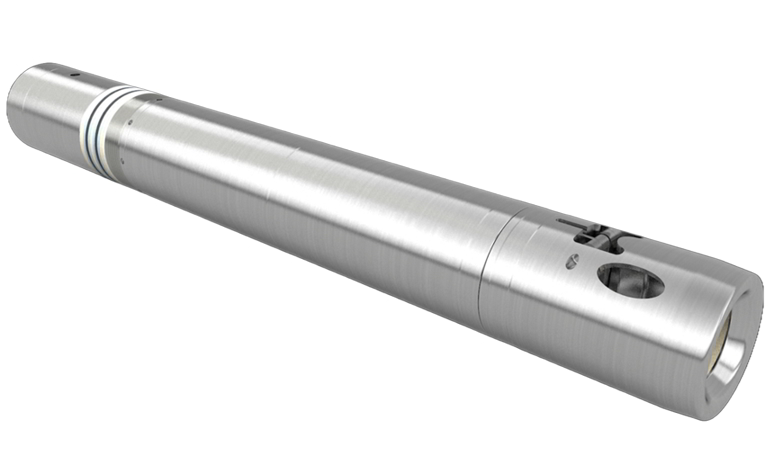
In oil and gas well operations, the 2 ½” Tubing End Locator plays a critical role in confirming the exact depth at which production tubing terminates within the wellbore. Accurately identifying the tubing endpoint is essential during various well intervention activities, including maintenance, workovers, and the installation or retrieval of downhole tools and equipment.
During operations such as setting packers, deploying plugs, running logging tools, or performing fishing jobs to recover stuck equipment, precise knowledge of tubing length ensures that tools are positioned correctly. This prevents accidental over-pumping or tool deployment beyond the tubing into the open hole section of the well, where damage to equipment or tool loss can occur.
The 2 ½” Tubing End Locator is designed specifically to fit tubing with an outer diameter of approximately 2 ½ inches. It features a compact maximum outside diameter of around 1.750 inches, allowing it to pass easily within the tubing without causing obstruction. The tool employs a spring-loaded finger mechanism that activates mechanically upon reaching the tubing bottom. This signal does not rely on electronic sensors or depth measurement devices, making the tool highly reliable even in harsh downhole environments where electronics may be compromised by pressure, temperature, or fluid conditions.
Standardized threaded connections on the tool—typically a 15/16 - 10 UN pin on the top and a 1 - 11 1/2 NPT box on the bottom—enable it to be seamlessly integrated into a wide range of intervention toolstrings. These common connection types ensure compatibility with existing downhole equipment and facilitate quick assembly and deployment.
Manufactured from high-strength alloy steel or similar materials, the tubing end locator is built to withstand typical downhole conditions, including high pressure, elevated temperatures, and corrosive fluids commonly found in oil and gas wells. Its purely mechanical design minimizes maintenance requirements and reduces the risk of failure compared to electronic alternatives.
This tool is particularly valuable in wells where tubing length may have changed due to wear, repairs, or previous interventions, offering an essential measure of control and confidence in complex well environments.
View Details
ROV Remote Operated Vehicle for subsea and dive activities
ROV's are underwater machines that can be used to explore ocean depths while being operated remotely by someone at the waters surface by means of an umbilical. Remote operated vehicles provide high quality images and video of subsea infrastructure and can be used to manipulate valves and tools to operate and maintain oil and gas infrastructure. ROV's are used in a wide range of industrial applications and marine research activities without the challenges experienced by human divers. View Details
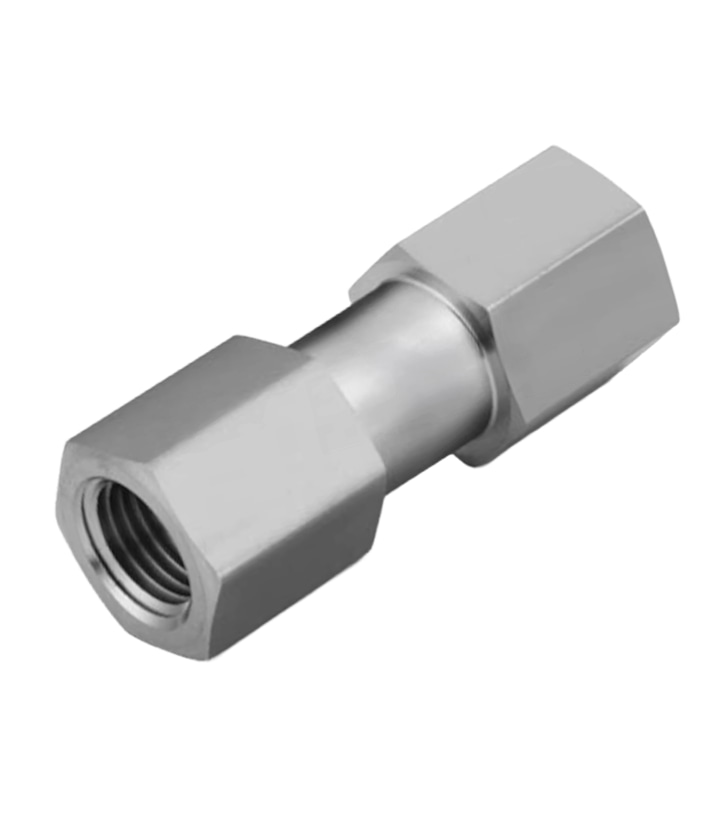
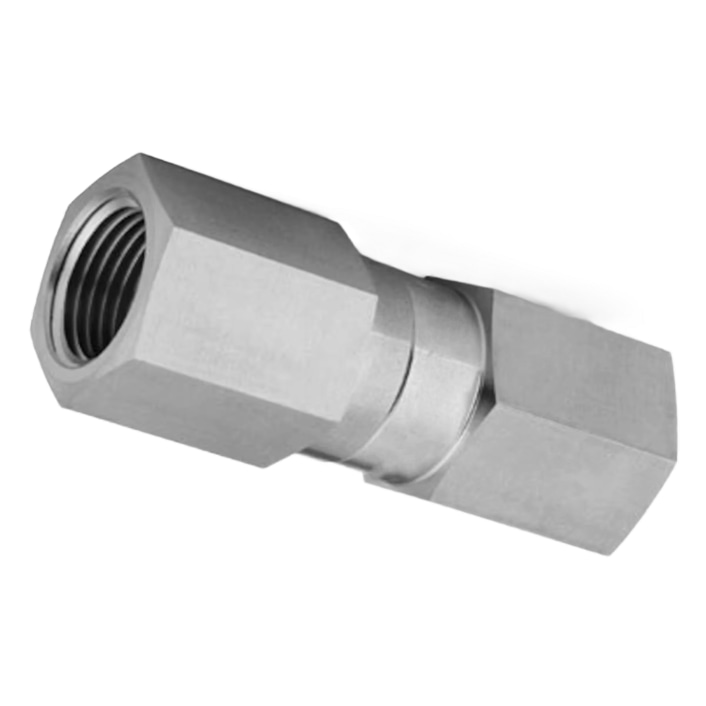
Gauge adapters with a female ISO parallel thread to male NPT are small but essential components used to connect measurement instruments, such as pressure gauges or transmitters, to piping systems in industrial and oil and gas applications.
The female ISO thread screws directly onto the instrument, while the male NPT thread connects securely to the pipe or tube, creating a tight and leak-resistant connection.
These adapters are made from high-quality materials such as stainless steel or brass, which makes them durable and resistant to corrosion, even in harsh environments. They are designed to handle high pressures, up to 10,000 PSI, ensuring that instruments provide accurate readings without risk of failure.
They follow international thread standards including ASME B1.20.1, SAE AS71051, ISO 7-1, and ISO 228, which guarantees compatibility with other equipment and ensures reliable performance in critical systems. This makes them a practical and dependable choice for monitoring and controlling fluids.
View Details
The LM2500 Gas Generator is the core component of the LM2500 gas turbine, responsible for producing the high-energy gas flow needed to drive the power turbine. It features a 16-stage axial compressor that efficiently compresses incoming air, a single annular combustor where fuel and air mix for optimal combustion, and a two-stage high-pressure turbine that extracts energy to power the compressor.
Designed for durability and high performance, the LM2500 Gas Generator supports a wide range of fuel types, including natural gas and liquid fuels, enabling flexible operation in various industrial and marine settings. Its modular construction allows for easier maintenance and faster engine removal or replacement, minimizing downtime.
With advanced aerodynamics and robust engineering, the LM2500 Gas Generator delivers reliable, efficient gas flow, helping ensure consistent power output and lower emissions across demanding operating conditions.
View Details
This 2-way panel-mounted ball valve with male x female connections is designed to control, start, or stop fluid flow in oil and gas piping systems. Its 2-way configuration allows fluid to flow in either direction between two ports, providing reliable on/off operation for pipelines, sampling lines, injection systems, or process bypasses.
The male x female connections allow secure inline installation and easy integration into existing piping without requiring additional fittings. The panel-mounted design enables operation from a control panel, making it suitable for systems where multiple valves need centralized access or where physical access to the pipeline is limited.
The valve features a floating ball design for leak-proof shut-off under high-pressure conditions. Operation is simple with a quarter-turn handle that provides fast, low-torque control. The three-piece construction allows easy installation and maintenance, including replacement of internal components. Factory testing ensures seat and stem integrity, and the valve is available in a range of corrosion-resistant materials, including SS 316, SS 316L, Duplex, Super Duplex, Hastelloy, Inconel, and Monel. Optional compliance with NACE MR0175 and fire-safe designs makes it suitable for demanding industrial environments.
View Details
BL300 Heavy Inspection Class ROV
Exploring the Depths with Unmatched Precision: Introducing the BL300 Heavy Inspection Class ROV At Poseidon Robotics, we pride ourselves on pushing the boundaries of subsea exploration technology, and our latest creation, the BL300 Heavy Inspection Class ROV, exemplifies this commitment to excellence. Designed to tackle large payloads and challenging dives, the BL300 combines cutting-edge features with a professional Aluminum frame, delivering unparalleled performance in its class. A Collaboration of Innovation: The Birth of BL300 Developed in close collaboration with BLUELINK, LLC, the BL300 ROV emerged as a result of identifying and addressing the market's evolving needs. Launched in March 2019, this exceptional remotely operated vehicle has since redefined the heavy inspection class, becoming the preferred choice for professionals in the subsea industry. The Perfect Blend of Power and Precision The BL300 boasts a unique vectored thruster layout, strategically designed to provide optimum control and stability during underwater operations. Its professional Aluminum frame ensures durability and reliability, making it the ideal choice for challenging dives that demand exceptional performance. Moreover, by utilizing off-the-shelf components, we have achieved an unparalleled price/performance ratio, providing unbeatable value to our customers. Advanced Topside Integrated Console: A Complete Solution in One Package With the BL300 Heavy Inspection Class ROV, we've taken convenience to the next level. The Topside Integrated Console houses a 22-inch sunlight-readable monitor and a hand controller, eliminating the need for additional equipment. The ROV flight computer supports a fully stabilized mode, enabling six-axis stability for precise maneuvering and control. Unrivaled Payload Capacity and Thruster Configuration The BL300 redefines what's possible in a heavy inspection class ROV by offering exceptional payload space and capacity. With a depth rating of 400 meters, this powerhouse can handle the most demanding subsea missions. The smaller diameter vertical thrusters are stacked to optimize the payload area, making it the perfect solution for accommodating large payloads while maintaining stability. The BL300 at a Glance: Specifications • Depth rating: 400m • Dimensions: 725x465x425mm (LWH) • Weight in air: 32.1kg • Payload capacity (fresh water): 9.8kg • Payload area: 610mm x 457mm • Thruster: 8 lateral (45deg), 6 vertical • Ballard Pull: 20kg lateral, 24kg vertical • Top speed: 3 knots • Video: 1080 HD IP camera with tilt • Aux video: NTSC/PAL input • Lights: 10x 1,500 Lumen each • Connectivity: 1x Ethernet, 4x Serial • Aux power: 5/12/24VDC regulated The Topside Integrated Console: Specifications • Output voltage: 400VDC, 3kW • Input voltage: 240VAC, 20A maximum • Monitor: 22in HD sunlight readable • Case: wheeled, 610x420x260mm, 24kg • Fully isolated output with LIM • Intel PC with Windows 10 installed • Aux HDMI monitor output The Unbreakable Tether To ensure a secure connection and reliable communication between the BL300 ROV and the topside console, our tether is designed with utmost strength and durability. With a breaking strength of 500kg and a 15mm diameter, this robust tether can handle the most demanding subsea conditions, ensuring seamless transmission of data and video. Experience the Robotics Difference As pioneers in the subsea robotics and ROV industry, we have continuously driven innovation and excellence, and the BL300 Heavy Inspection Class ROV is the epitome of our dedication. Explore new depths with confidence, efficiency, and precision. Unleash the Power of BL300 Today Discover a new era of subsea exploration with the BL300 Heavy Inspection Class ROV. Contact us now to explore the possibilities and equip yourself with the most advanced ROV technology available. Together, we will embark on a journey of discovery, uncovering the secrets that lie beneath the waves. View Details
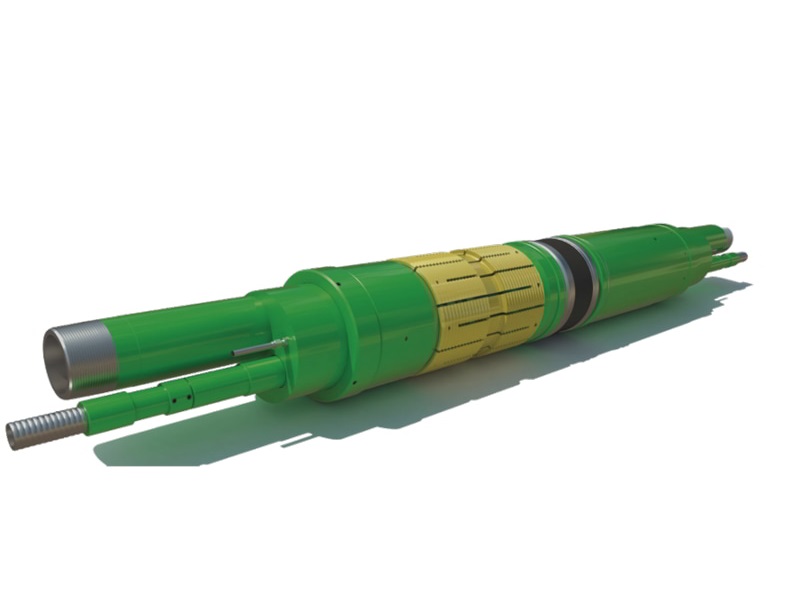
Premier Removable Production Packer
The Premier™ packer is a hydraulic-set, large-bore, removable production packer. It combines the performance of a permanent packer with the conveniences of a retrievable packer. The Premier is ideally suited for big-bore completions and multizone stacked-packer completions. Its retrieving options offer new alternatives in high intervention cost applications. We can source from current stock or direct from the manufacturer. View Details
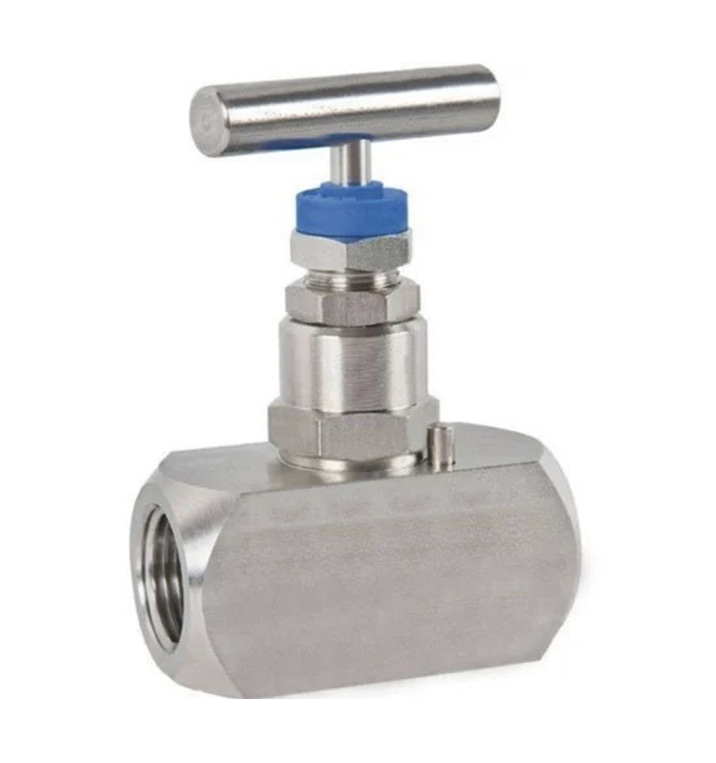
The Gauge Root Valve Male x Female with Lagging Extension in 1/4” NPT is a small but robust valve used to safely isolate pressure gauges in pressurized systems. It is designed to handle pressures up to 6000 PSI and temperatures from -50°C to 230°C, providing a reliable seal and leak-free operation. The lagging extension lets the valve be operated without removing insulation, protecting both the system and the operator.
The valve includes features to make it safe and easy to use: a back seat on the stem for extra security, a self-centering non-rotating tip for consistent shutoff, and an adjustable gland retainer to keep the packing tight. The removable T-handle allows smooth operation with minimal effort, while the dust cap prevents dirt or debris from entering the valve. All valves are factory tested for performance, include heat code traceability, and can be made from materials compliant with NACE MR 01-75 for corrosion resistance.
This valve is ideal for oil and gas systems where isolating gauges safely, maintaining insulation, and ensuring reliable operation are essential.
View Details
Mud pump for circulating and drilling in extreme conditions
The Bomco Triplex Mud Pump has a herringbone design and is interchangeable with the Continental Emsco FB model. Mud pumps serve as the heart of the mud circulating system. Reciprocating piston pumps (also called slush pumps or power pumps) are widely used for drilling oil and gas wells. The advantages of the reciprocating positive-displacement pump include the ability to move high-solids-content fluids laden with abrasives, the ability to pump large particles, ease of operation and maintenance, reliability, and the ability to operate over a wide range of pressures and flow rates by changing the diameters of the compression cylinders (pump liners) and pistons. A pump that has single-action strokes in three cylinders is called a triplex pump. View Details
Circulating Type Chokes for Nipples
HOCA Oil Tools: Mastering Flow Control with Circulating Type Chokes for Nipples In the specialized field of downhole operations, mastering the control of fluid flow within the wellbore is critical for operational success and efficiency. HOCA Oil Tools is at the forefront of this challenge, offering advanced solutions with our Circulating Type Chokes for Nipples. Designed to integrate seamlessly with landing nipples in the wellbore, these tools are essential for precise flow control and well management during various downhole activities. HOCA’s Circulating Type Chokes for Nipples: Precision Engineered for Optimal Flow Control Our Circulating Type Chokes for Nipples are designed for operators seeking to maintain precise control over fluid flow in their downhole operations. Whether for circulation, testing, or intervention tasks, our chokes provide the versatility and reliability needed in today’s diverse well environments. Constructed with the highest quality materials and engineered to withstand harsh downhole conditions, HOCA’s chokes ensure optimal performance and durability. Experience the HOCA Oil Tools Difference Choosing HOCA Oil Tools’ Circulating Type Chokes for Nipples means opting for a solution that embodies innovation, quality, and operational excellence. Our commitment to providing cutting-edge downhole solutions ensures that our products meet the complex demands of modern oil and gas operations, delivering performance that exceeds expectations. Incorporating our Circulating Type Chokes into your downhole toolkit signifies a step toward enhanced operational control, efficiency, and safety. With HOCA Oil Tools, you gain not just a supplier but a dedicated partner committed to supporting your downhole challenges with advanced solutions and expert service. Opt for HOCA Oil Tools for your downhole needs and unlock the full potential of your operations with our Circulating Type Chokes for Nipples. Partner with us, and elevate your downhole flow control to new levels of precision and reliability. With HOCA Oil Tools, enhance your downhole operations with tools that redefine efficiency, safety, and performance in the demanding oil and gas industry. View Details
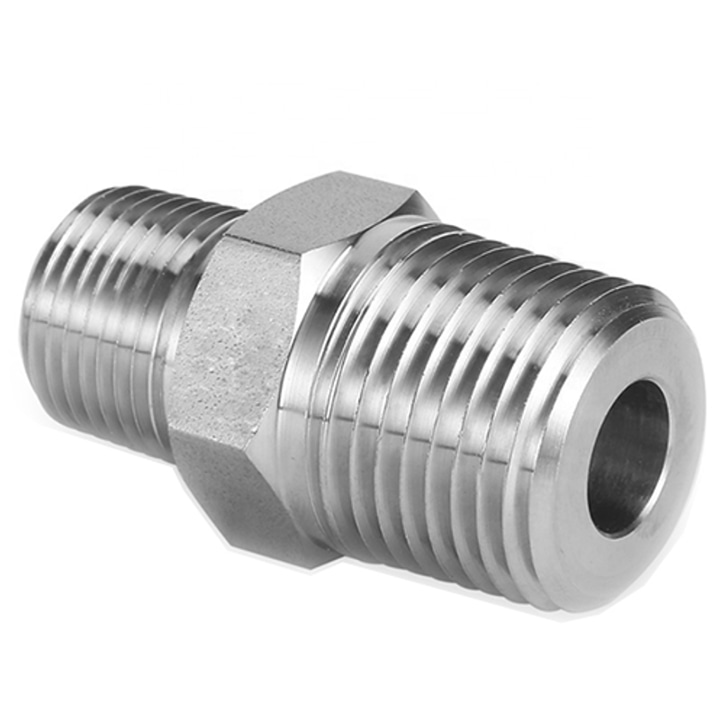
Tube Fittings Male Connector NPT are used to connect tubing directly to threaded pipe systems, ensuring a secure and leak-tight joint in fluid and gas applications. The male NPT threads allow compatibility with standard pipe threads.
These fittings are unique due to their twin ferrule design, which provides a strong mechanical grip on the tubing while creating a reliable seal without requiring welding or additional sealants. The precision-machined ferrules deform evenly to prevent leaks, even under vibration, impulse, or high-pressure conditions.
Straight fittings are manufactured from bar stock, and shaped fittings are made from forgings, offering high structural strength. The case-hardened back ferrules and silver-plated female threads reduce wear and prevent galling, while the radius junction in elbows maintains smooth flow.
Installation is simplified: the tubing is inserted fully to the shoulder of the fitting, and the nut is tightened to specific torque, producing a secure connection. Male Connector NPT fittings are ready for immediate use and can be disassembled and retightened if needed.
Their combination of threaded pipe compatibility, twin ferrule sealing, and ease of installation makes them reliable and widely used in demanding industrial applications.
View Details
M-KWIK Control Line and Cable Protector
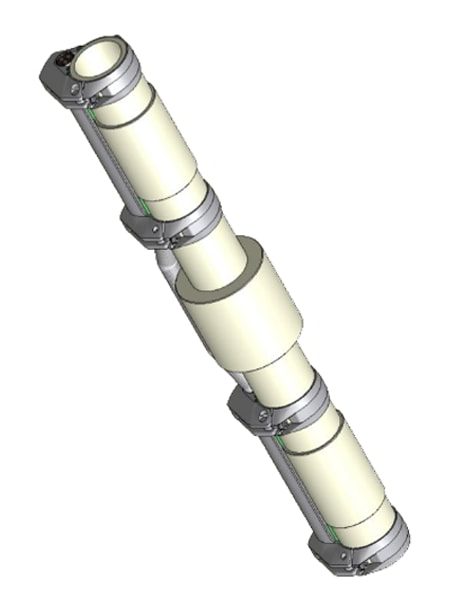
Cross coupling protectors are essential tools used in the oil and gas industry during the installation of completions in oil and gas wells. These protectors provide a variety of benefits that make them a necessary investment for any oil and gas company. Protects Control Lines: Cross coupling protectors help protect control lines from damage that can be caused by the installation process, environmental factors, and other external factors. By providing an extra layer of protection, the control line can last longer and reduce the need for costly repairs or replacements. Prevents Fluid Contamination in Cables: Cross coupling protectors prevent fluid contamination by keeping debris and other unwanted materials out of electrical cables during installation. This is particularly important in the oil and gas industry where contamination can lead to significant safety risks, equipment damage, and production losses. Reduces Maintenance Costs: The installation of cross coupling protectors can help reduce maintenance costs. By protecting control lines and cables the completion is less likely to require maintenance or repair. This can result in significant cost savings over the long-term. Improves Efficiency: Cross coupling protectors help to improve the efficiency of the installation process. By providing a secure connection and preventing contamination, the installation process can be completed more quickly and with fewer re-work. This can help to reduce downtime and increase productivity. Enhances Safety: Cross coupling protectors enhance safety by reducing the risk of equipment failure and fluid contamination. This can help to prevent accidents and injuries, and ensure that the installation process is completed safely. The use of cross coupling protectors is critical to the successful installation of tubing in oil wells. They provide numerous benefits including protecting tubing joints, preventing fluid contamination, reducing maintenance costs, improving efficiency, and enhancing safety. By investing in cross coupling protectors, oil and gas operators can ensure the long-term success of their operations while improving their bottom line. View Details
4” Surface-Controlled Subsurface Safety Valve
Available sizes: 2 3/8”, 2 7/8”, 3 1/2”, 4”, 4 1/2”, 5”, 5 1/2'” and 7”.
The 4-inch Surface-Controlled Subsurface Safety Valve (SCSSV) is designed for installation in wells with 4-inch production tubing and serves as a critical safety device to shut in the well during uncontrolled flow events caused by equipment failure or loss of surface hydraulic control pressure. The valve operates via a hydraulically actuated flapper mechanism that remains open under normal operating pressure but closes automatically if the hydraulic signal is lost. This fail-safe design isolates the wellbore, preventing unintended release of hydrocarbons and protecting both personnel and the environment.
The flapper mechanism is simple and robust, minimizing moving parts in the flow path and reducing potential points of failure. When open, the sealing surfaces are positioned out of the fluid flow path, which helps maintain smooth production flow and reduces wear on sealing components. The valve’s hydraulic actuation allows reliable operation under varying pressure and flow conditions commonly encountered in oil and gas wells.
The valve is wireline retrievable, which means it can be removed, serviced, or replaced using wireline tools without the need to pull the entire tubing string from the well. This capability significantly reduces well intervention time and associated costs while allowing maintenance or upgrades to be performed efficiently.
This SCSSV fits standard landing nipples with a seal bore of 3.313 inches and is rated for working pressures up to 5,000 psi. Its internal valve diameter is 1.75 inches, providing an appropriate balance between flow capacity and structural integrity for wells with moderate to high flow rates. The 4-inch tubing size is common in many oil and gas production wells, making this valve size versatile across different field conditions.
This size is commonly applied in production wells where 4-inch tubing is standard, supporting reliable well control and efficient maintenance. Its hydraulic surface control and simple flapper design contribute to dependable operation under varying well conditions.
View Details
Service Rig for well servicing activities on onshore wells in any location

Service rig suitable for well interventions, workers, abandonments, and completion activities. Rigs can be sized for specific well campaign requirements with valid safety case for jurisdiction. Cost effective alternative to larger drilling rigs or hydraulic worker units for a wide range of activities. Well maintained rig fleet staffed by oil and gas industry professionals providing top notch service and flexibility in location and activities. Able to be deployed in any geographic area with a focus on project results. View Details
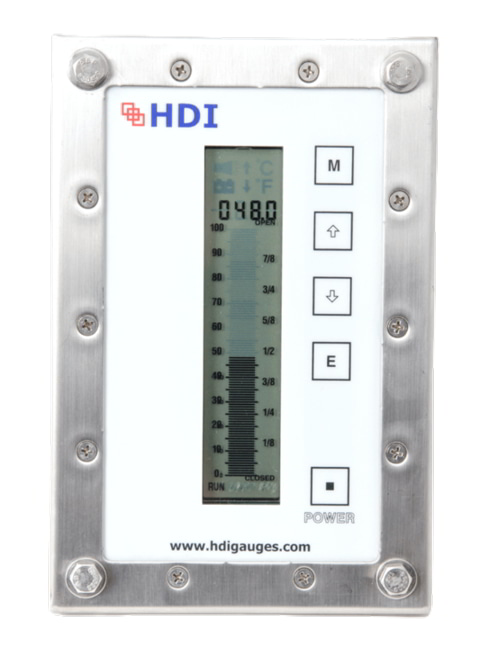
HDI 1522 Choke Position Indicator System
The HDI 1522 Choke Position Indicator System is an electronic instrument designed to accurately measure and display the position of choke valves used in oil and gas production. Choke valves regulate the flow of oil, gas, or water from wells by adjusting the degree of restriction in the pipeline, which directly affects pressure control and production rates. The 1522 system provides highly precise position readings in one percent increments, ranging from fully closed (0%) to fully open (100%), enabling better management of well performance and enhanced safety.
This system uses solid-state electronics to convert mechanical valve movement into electronic signals via various potentiometer types—including linear, rotary, and retractable options—making it adaptable to a wide variety of choke valve designs and configurations. The position data is presented on a four-inch liquid crystal display that combines a numeric readout with a linear bar graph, allowing clear and immediate visualization of the choke’s exact position. The display is engineered for visibility from distances up to fifteen feet, suitable for typical field environments.
Powered by an internal, field-replaceable battery with approximately one year of continuous operation, the 1522 system minimizes maintenance requirements and eliminates the need for complex wiring. It also offers optional analog output signals, such as 4-20 mA or 0-1 V, enabling seamless integration with plant control systems, programmable logic controllers, data acquisition systems, or remote display units for centralized monitoring and automation.
The enclosure is constructed from UV-stabilized, impact-resistant polycarbonate and PBT alloy materials to ensure durability in harsh outdoor conditions. It is rated to operate reliably within a wide temperature range from -40°F to 176°F (-40°C to 80°C). The internal electronics are protected by a gasket seal to prevent dust and moisture ingress, maintaining performance and longevity.
Installation flexibility is enhanced through support for cable lengths up to 1,500 feet, allowing the gauge to be mounted in the most accessible or secure locations. Multiple sensor housing options and connector orientations simplify field installation and reduce the need for onsite customization, helping to minimize downtime and installation costs.
The 1522 Choke Position Indicator System delivers accurate, real-time choke valve position information in a robust, easy-to-install package. Its reliable performance, flexible integration capabilities, and low maintenance design support improved flow control, safer operations, and optimized production.
View Details
FRN Wireline Retrievable 5.5 inch Subsurface Safety Valve
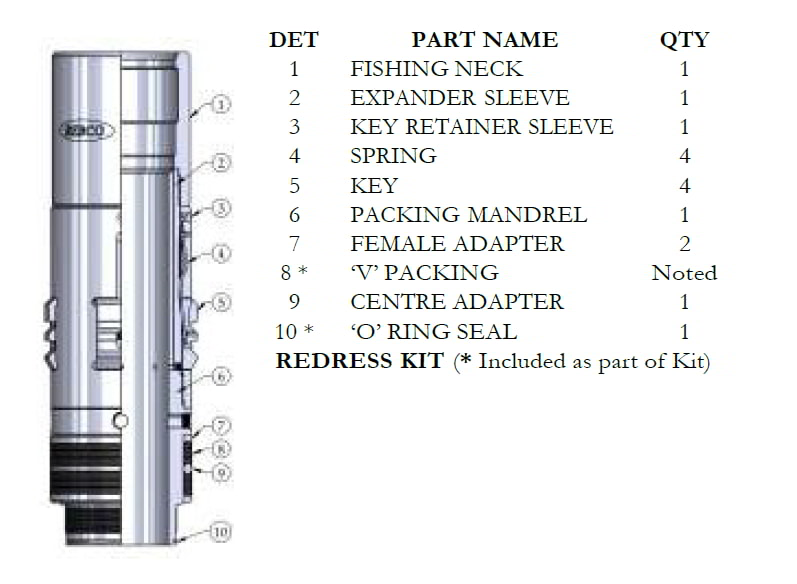
The FRN wireline-retrievable flapper valve, which is normally closed, is held open by hydraulic control pressure from the surface. The valve operates on a hydraulic-piston principle. To open, tubing pressure slightly higher than the well pressure below the closed flapper is applied. Once well pressure is equalized across the closed flapper, hydraulic pressure is applied to the piston, which pushes the flapper open. The flapper hinge assembly is designed so the force on the piston is not applied directly on the hinge pin. Upon loss of hydraulic pressure in the control line, the valve's large spring serves to lift the hydrostatic head of the control fluid. The flapper spring is designed to close the valve when the piston moves up past the flapper. Opening Prong Nose Seal The FRN valve uses the valve housing as the downstop for the opening prong. This metal-to-metal (MTM) interface is designed to prevent flow from passing between the valve housing and opening prong. The MTM interface isolates the flapper and seat from fluid flow while the valve is open. This design creates an MTM interface with the full force exerted by the hydraulic piston, minus the spring compression force, holding the two metal faces in contact. Radius of Curvature at Flow Entrance Halliburton conducted a study with various curvatures on the entrance to the valve. The study tested abrasive fluids flowing through different test subs and examined the resulting wear patterns. As a result, an optimum radius of curvature was determined and implemented on the valve housings of all wireline retrievable safety valves. Applications » New completions » Deep set » High pressure Features » High-strength rod-piston actuation » Non-equalizing flapper closure » Solid construction flapper made from bar stock » Spherical radius seat on flapper improves seal reliability » Sealing and seating surfaces are out of flow path of well production when valve is in open position » Designed for easy field servicing *information referenced from supplier catalog. View Details
HP-3 Hydraulic Set High Angle 5 1/2" 13-15.5 PPF Packer
Ballycatter HP-3 High Angle Packer
Available sizes: 5 1/2”, 6 5/8”, 7”, and 9 5/8”
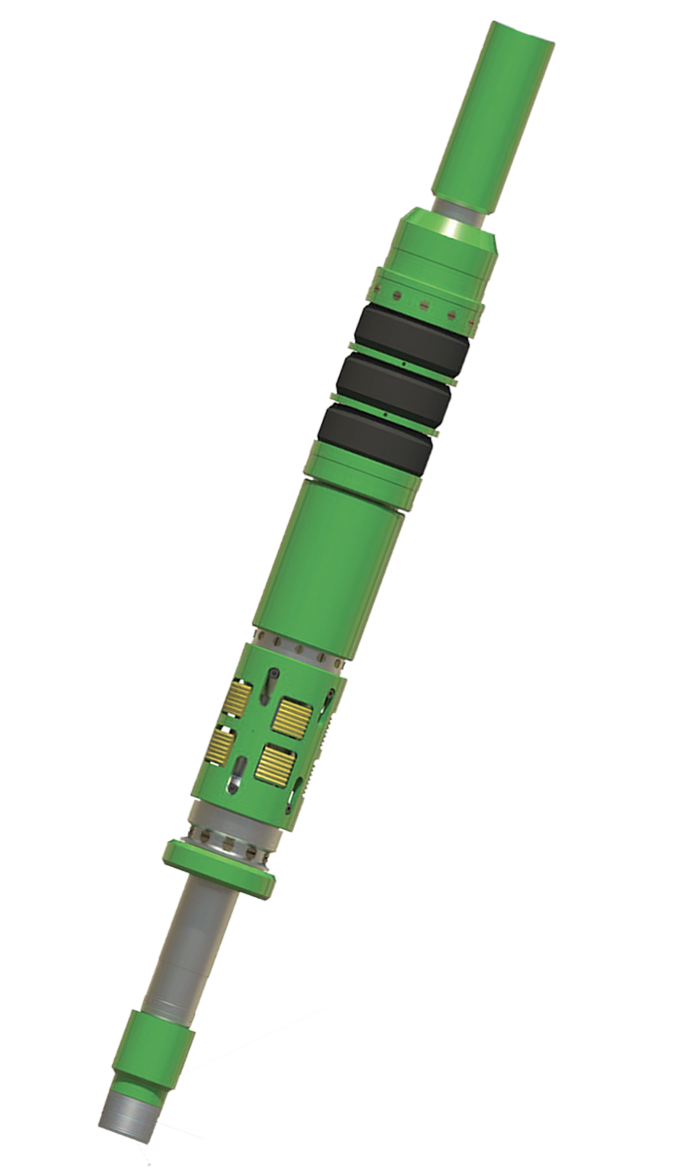
The Ballycatter HP-3 is a hydraulic-set packer engineered for high-angle and deviated well applications, where conventional mechanical or wireline-set tools are not feasible. This packer is particularly suited for single or multi-zone completions, offering flexible deployment in complex well trajectories.
Unlike mechanical systems, the HP-3 requires no tubing movement to set. This enables full well control throughout the operation, as the tubing can be landed and the wellhead installed prior to circulating or displacing fluids.
Key Features:
• Reliable Setting Mechanism: Utilizes dual balanced pistons—one actuates downward to anchor the bi-directional slips, while the other moves upward to compress a three-element packing system. This simultaneous action ensures a secure set and pack-off.
• Three-Element Seal: The packing system uses dual-durometer rubber elements to ensure long-term sealing integrity across a range of downhole conditions.
• Slips & Housing: One-piece, bi-directional slips are housed in a shear-pinned chamber, protected by a full-diameter guide to prevent damage during deployment.
• Release Options: Features a dual-method release system:
• Straight pull via shearing of pre-set screws.
• Right-hand rotation (approx. 8 turns), followed by straight pull.
• Equalization & Retrieval: Built-in equalizing valve opens automatically during release to balance pressures and enable safe retrieval. A large-diameter bypass within the mandrel allows fluid to flow during retrieval, reducing swab effects on the packing elements.
The HP-3 is engineered for reliability, operational flexibility, and full well control—making it a practical choice for complex wellbore geometries.
View Details