Don't have an account? Join for free
Cart
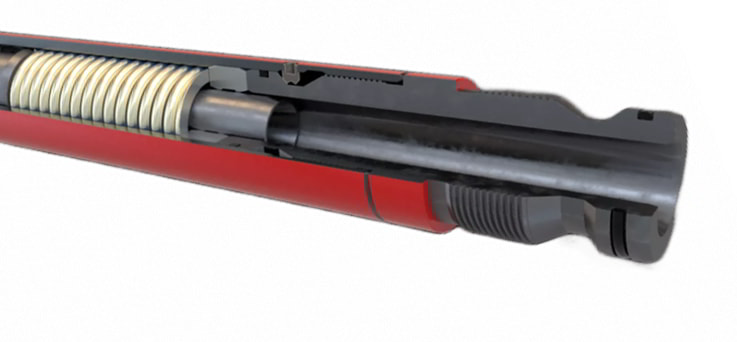
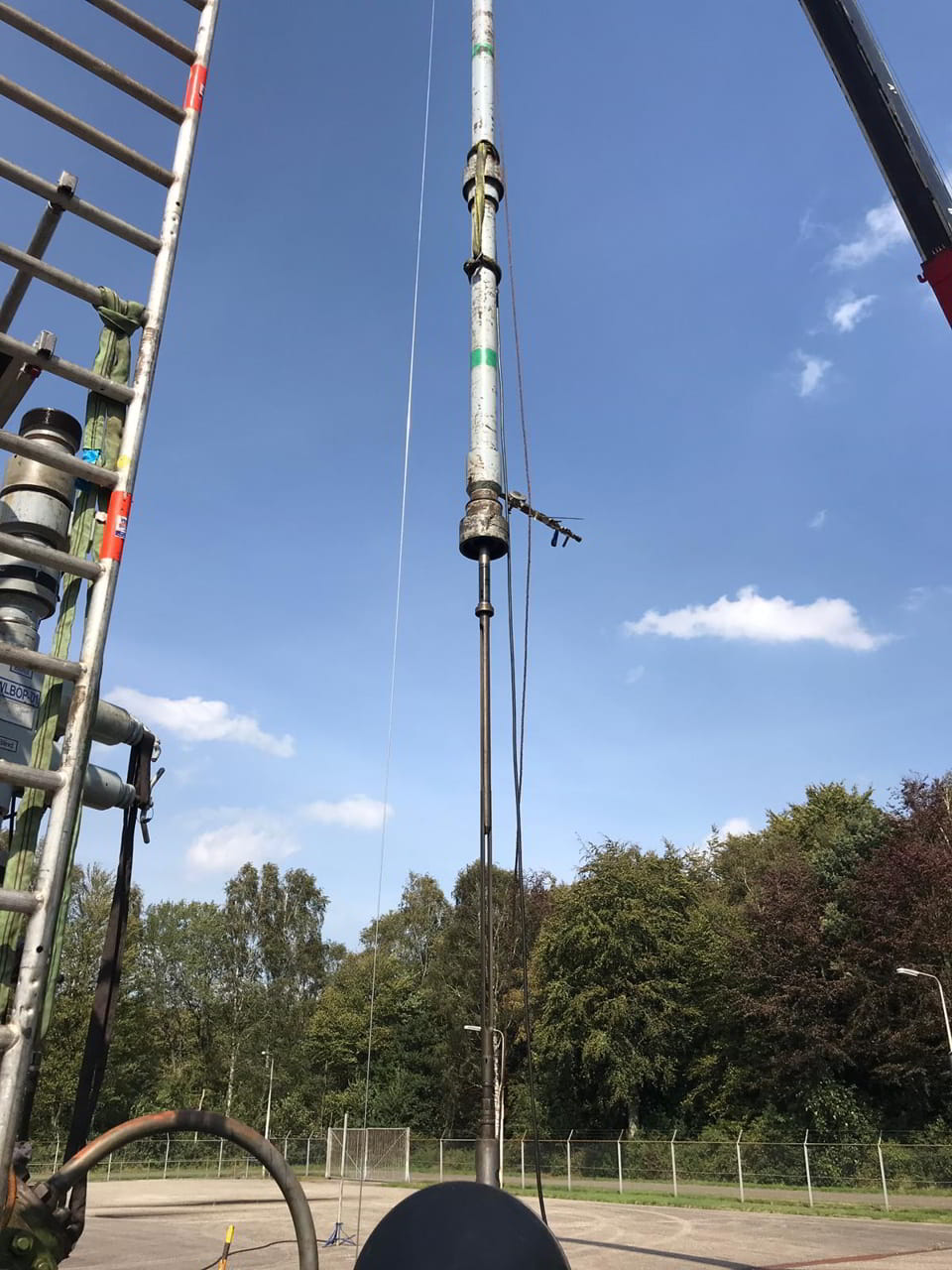
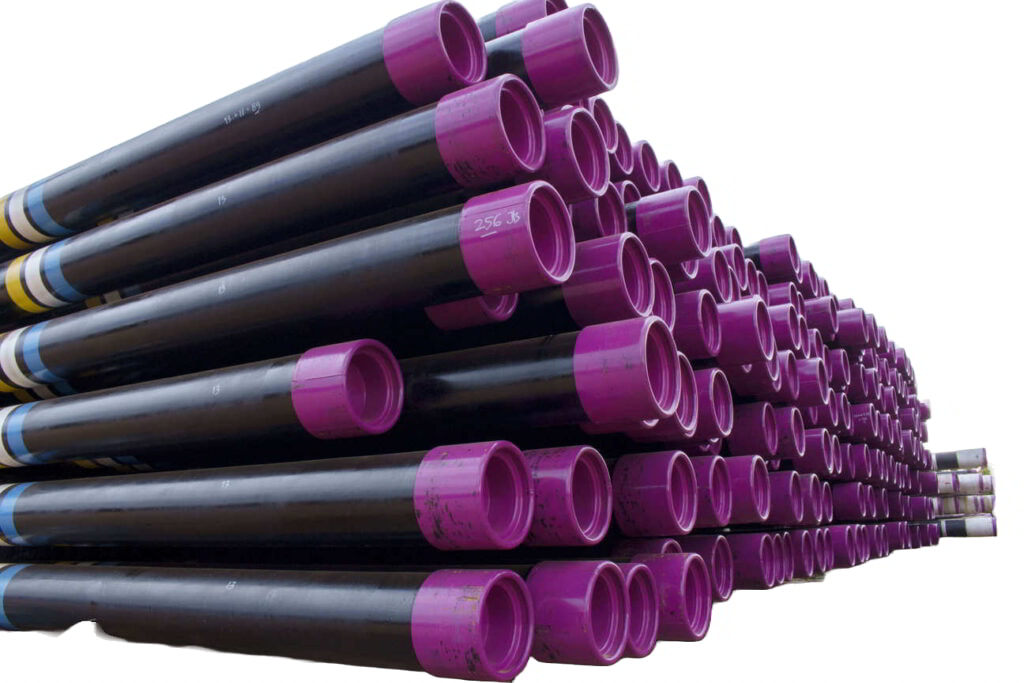
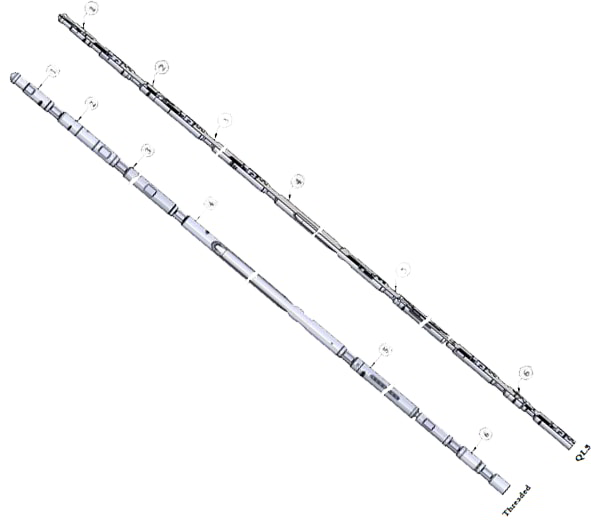
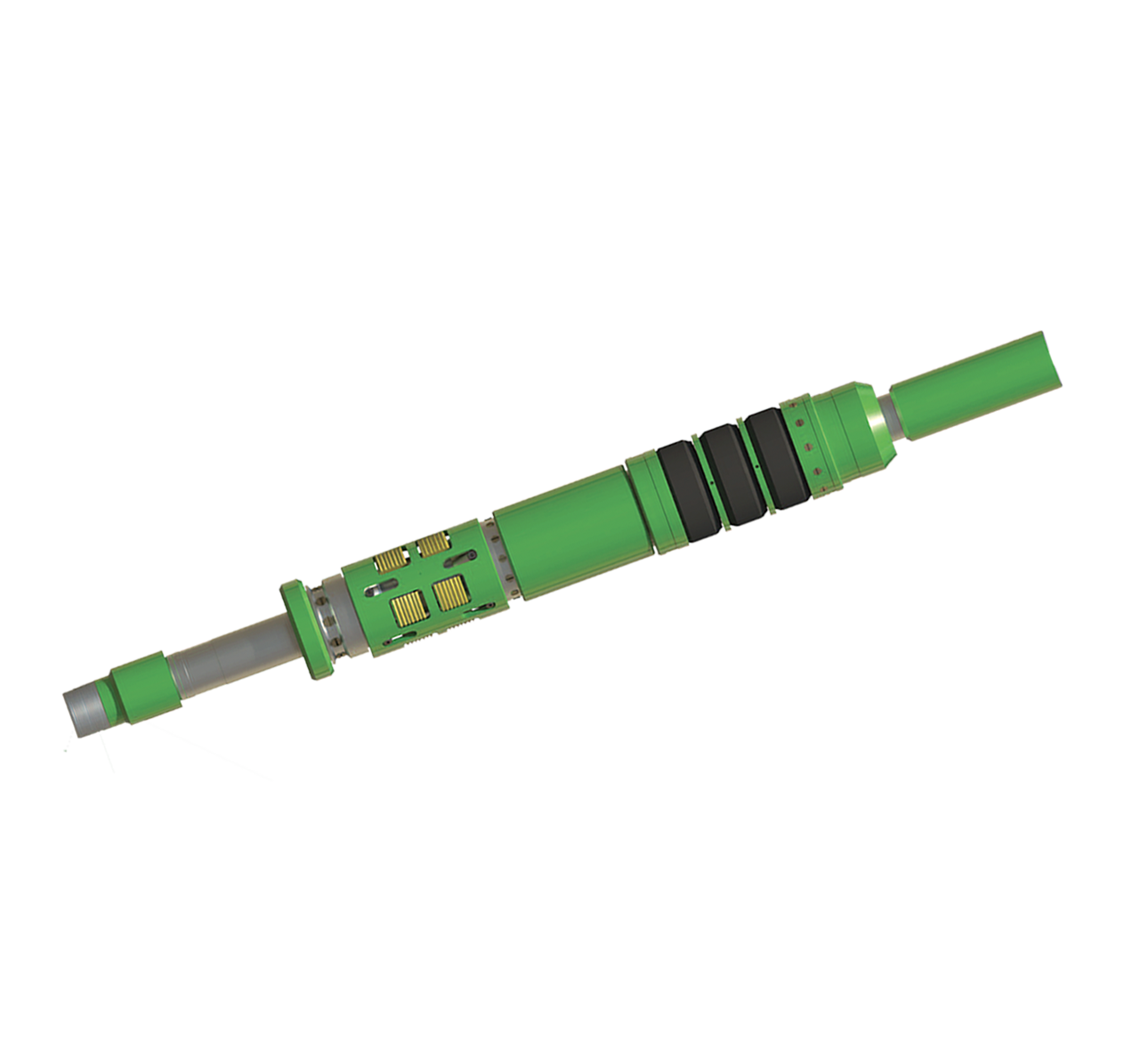
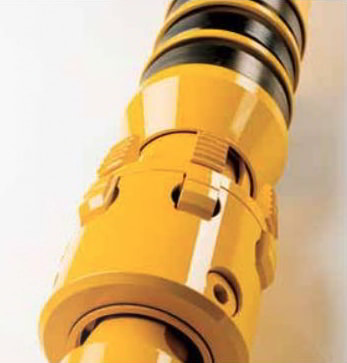
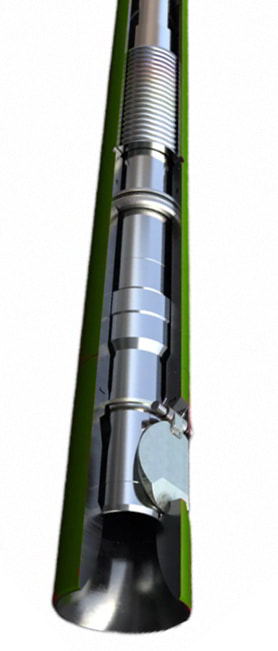
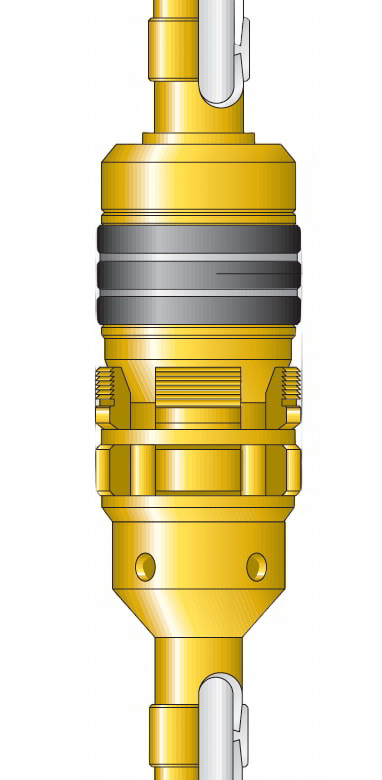
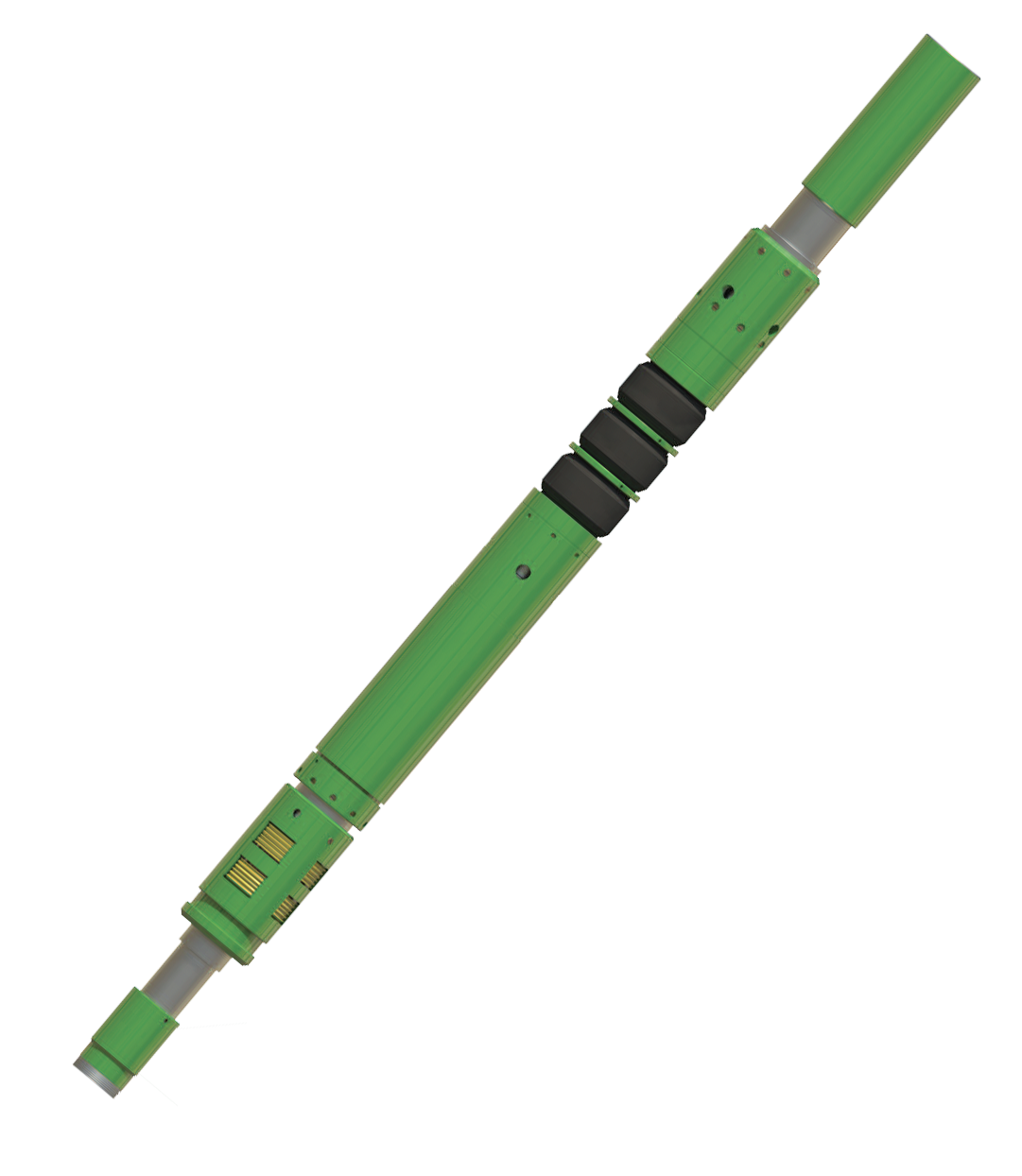
HP-3 Hydraulic Set High Angle 7" 29-32 PPF Packer
Ballycatter HP-3 High Angle Packer
Available sizes: 5 1/2”, 6 5/8”, 7”, and 9 5/8”
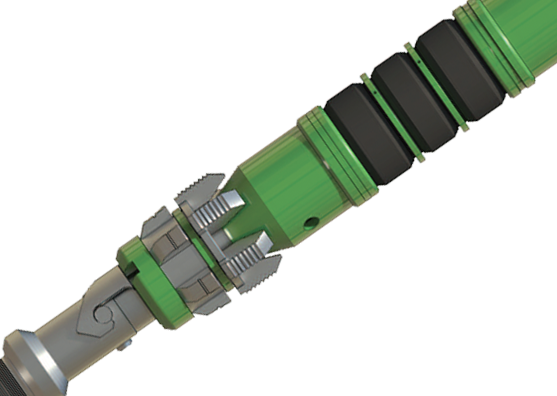
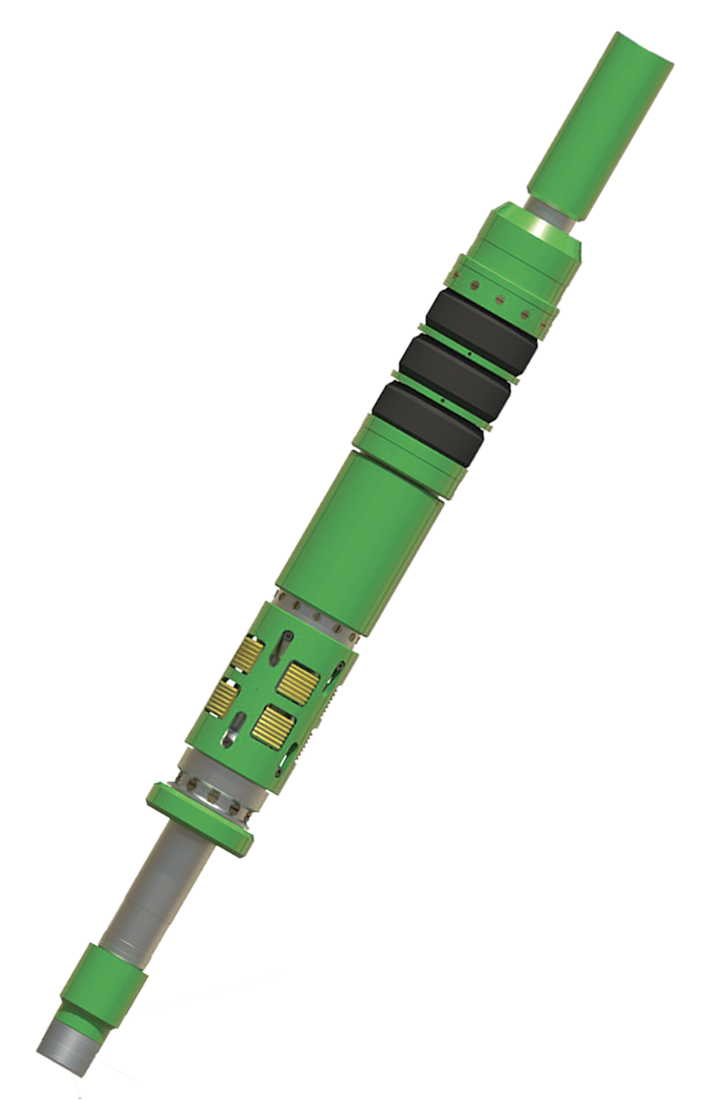
The Ballycatter HP-3 is a hydraulic-set packer engineered for high-angle and deviated well applications, where conventional mechanical or wireline-set tools are not feasible. This packer is particularly suited for single or multi-zone completions, offering flexible deployment in complex well trajectories.
Unlike mechanical systems, the HP-3 requires no tubing movement to set. This enables full well control throughout the operation, as the tubing can be landed and the wellhead installed prior to circulating or displacing fluids.
Key Features:
• Reliable Setting Mechanism: Utilizes dual balanced pistons—one actuates downward to anchor the bi-directional slips, while the other moves upward to compress a three-element packing system. This simultaneous action ensures a secure set and pack-off.
• Three-Element Seal: The packing system uses dual-durometer rubber elements to ensure long-term sealing integrity across a range of downhole conditions.
• Slips & Housing: One-piece, bi-directional slips are housed in a shear-pinned chamber, protected by a full-diameter guide to prevent damage during deployment.
• Release Options: Features a dual-method release system:
• Straight pull via shearing of pre-set screws.
• Right-hand rotation (approx. 8 turns), followed by straight pull.
• Equalization & Retrieval: Built-in equalizing valve opens automatically during release to balance pressures and enable safe retrieval. A large-diameter bypass within the mandrel allows fluid to flow during retrieval, reducing swab effects on the packing elements.
The HP-3 is engineered for reliability, operational flexibility, and full well control—making it a practical choice for complex wellbore geometries.
View Details
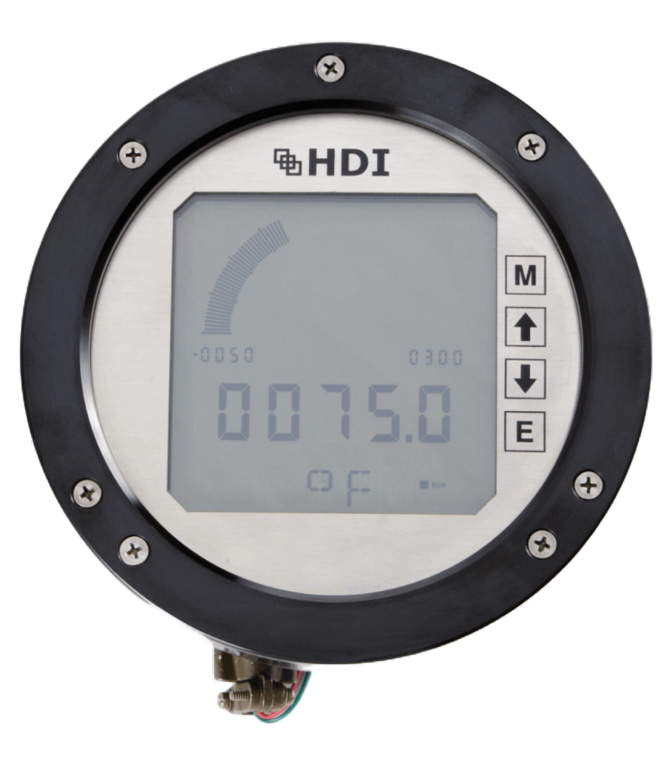
HDI 1000P Pressure Gauge System
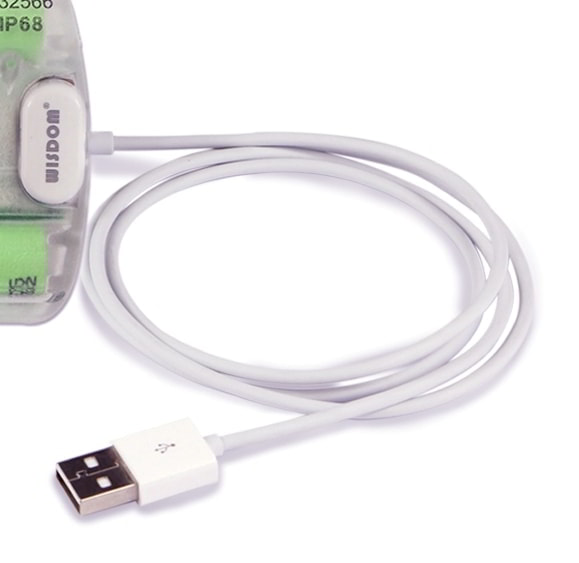
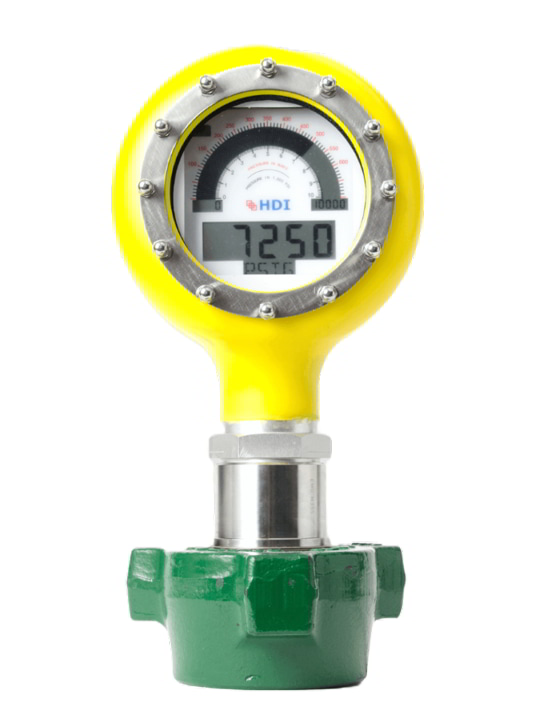
The HDI 1000P Pressure Gauge System is a battery-powered, intrinsically safe electronic gauge used to monitor high-pressure systems in oil and gas operations. It measures pressure using a strain gauge sensor and provides real-time readings on a digital display with both numeric and bar graph formats. Common applications include choke manifolds, cementing units, coiled tubing, and high-pressure pumping systems.
With pressure ranges available from 5,000 psi up to 30,000 psi, the 1000P is suitable for demanding environments. It offers ±0.5% full-scale accuracy, and optional 4-20mA or 0–1 VDC outputs for integration with PLCs or remote monitoring systems. The unit is housed in a sealed stainless steel enclosure and built to perform reliably in harsh, high-vibration field conditions.
Designed for ease of use, the 1000P includes a field-replaceable battery pack and supports a range of connection types such as 2" 1502, 2002, 2202, or flanged. Its solid-state platform minimizes maintenance and ensures consistent performance over time, making it a dependable tool for critical pressure monitoring tasks.
View Details
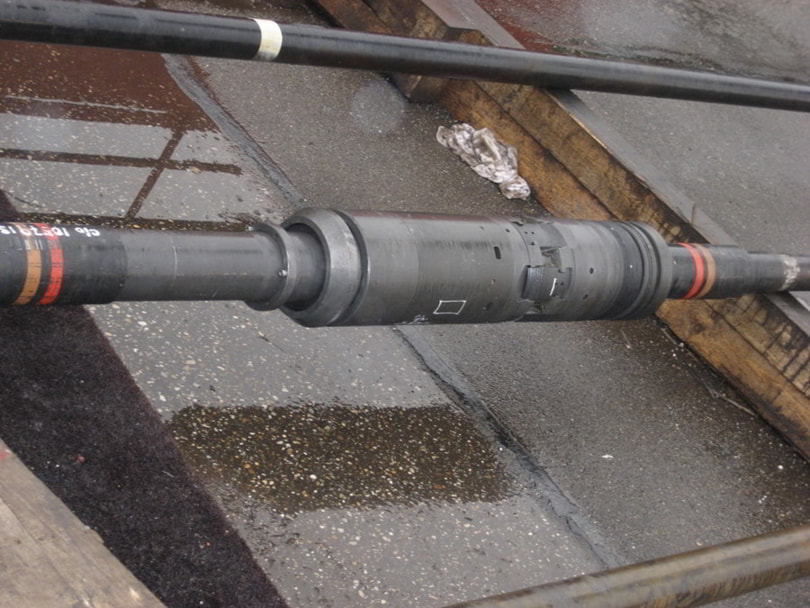
9 5/8" Mech-1 Single Grip Mechanical Set Packer for 36-43.5 PPF Casing
Ballycatter Mech-1 Single Grip Mechanical Packer
Available sizes: 5”, 5 1/2”, 6 5/8”, 7”, 9 5/8”, and 10 3/4”
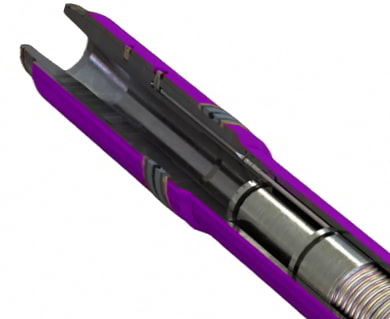
The Ballycatter Mech-1 is a retrievable, compression-set mechanical packer designed for low-pressure production, casing integrity testing, and well intervention operations. Built with a long-stroke mandrel and a large bypass area, it allows unrestricted fluid circulation while running in hole. The bypass is controlled by a face-seal valve that automatically closes during setting, fully isolating the annulus once the packer is engaged.
Setting is achieved via a mechanical J-slot system using standard right-hand (or optional left-hand) rotation. Once the tool is positioned, applying set-down weight activates the slips and compresses the packing elements, sealing off the formation below. Retrieval is straightforward—lifting the tubing string engages the J-slot and reopens the bypass valve for safe circulation and recovery.
The Mech-1 features a rocker-type slip design for positive casing engagement and can be repositioned if required. Its straightforward operation, reliable sealing, and retrievability make it a practical solution for conventional production completions, casing leak diagnostics, and test operations where hydraulic setting is not required.
View Details
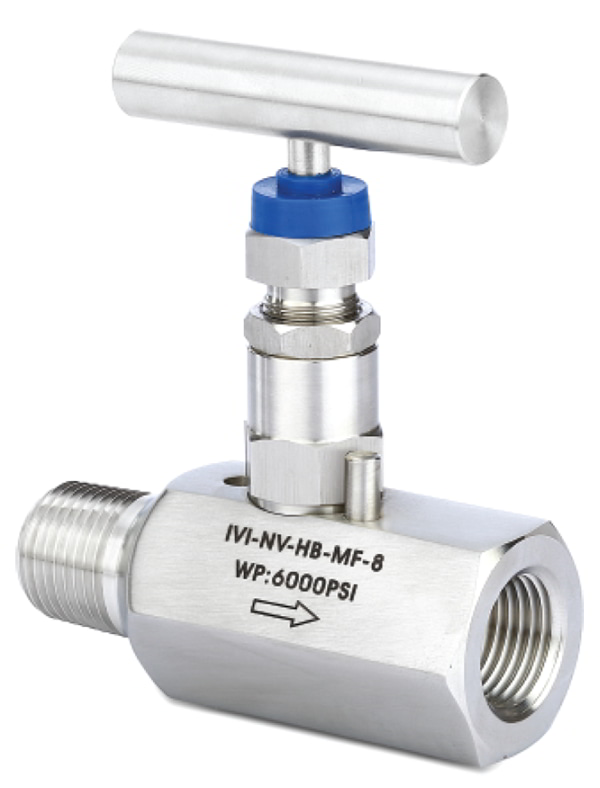
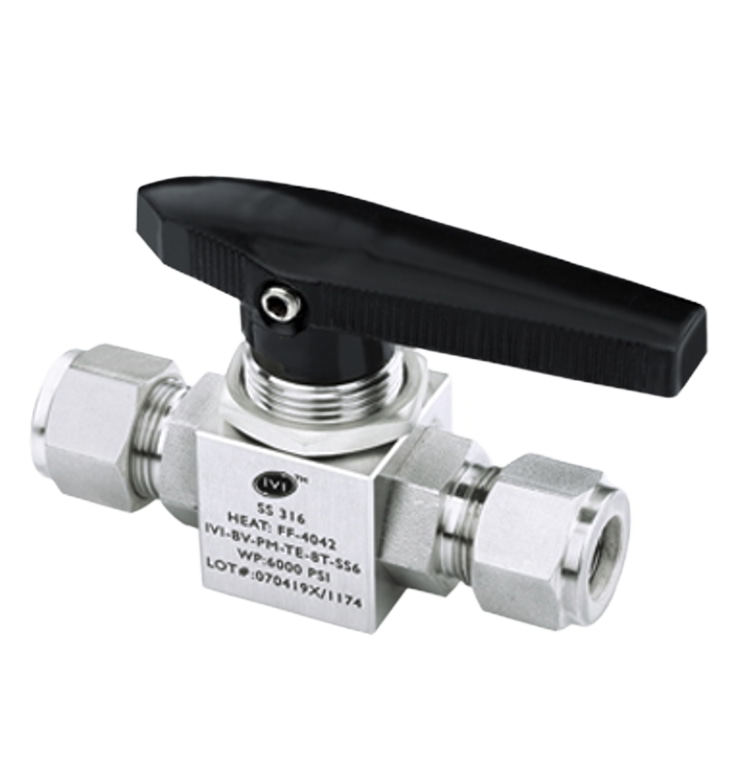
Gauge Root Valve – Male x Female – 1/4”, 1/2”, 3/4” – 6000 PSI – ASME B16.34 / ISO 9001 / PED / ATEX
The Gauge Root Valve Male x Female is a high-pressure valve designed for precise isolation and control of gauge lines in oil and gas industry. It allows for secure attachment of pressure gauges or instruments while maintaining reliable sealing and flow control. The male x female connection simplifies installation by providing a compact and leak-resistant interface, suitable for both standard and custom piping setups.
This valve is built to withstand pressures up to 6000 psi, with optional higher ratings available upon request, and operates over a wide temperature range from -50°C to 230°C, with extended ratings up to 500°C when using graphite seals. The metal-to-metal body bonnet seal ensures consistent high-pressure performance without relying on O-rings.
The valve’s stem incorporates a backseat design for added safety, rolled threads for smooth operation, and a self-centering, non-rotating tip that provides consistent, leakage-free shutoff. Packing is positioned below the stem threads to prevent media contact, and an adjustable gland retainer enhances stability and long-term performance. A removable T-handle enables low-torque operation, while the stem dust cap prevents contamination and protects the actuating threads.
Manufactured to ISO 9001, PED, ATEX, ASME B16.34, and MSS-SP-99 standards, each valve undergoes rigorous factory testing, including pneumatic leak checks at 1000 psi, to ensure reliability and compliance. Optional vibration, temperature, and helium testing can be performed to meet specific process requirements. Heat code traceability and NACE-compliant material options provide confidence in both performance and quality.
This combination of features makes the Gauge Root Valve Male x Female an ideal choice for safe, accurate, and durable gauge isolation in critical industrial systems.
View Details
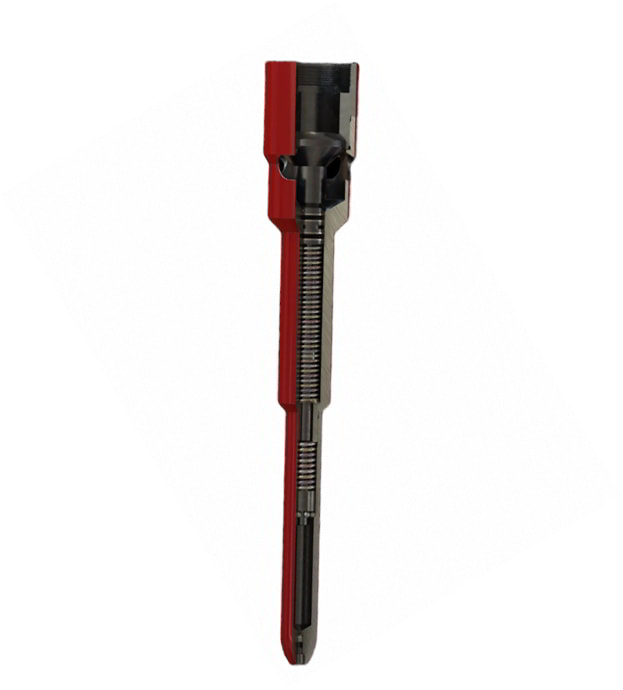
Lock Mandrels for Landing Nipples
Enhancing Downhole Operations with HOCA Oil Tools' Lock Mandrels for Landing Nipples In the intricate landscape of oilfield operations, achieving peak efficiency and maintaining well integrity are of utmost importance. HOCA Oil Tools, a leader in downhole slick line tools, introduces its Lock Mandrels for Landing Nipples, designed to meet these challenges head-on. These Lock Mandrels are crafted for precision, reliability, and durability, ensuring they meet the diverse needs of modern downhole activities. HOCA's Lock Mandrels for Landing Nipples: Tailored for Excellence Our Lock Mandrels are engineered to be set into pre-positioned landing nipples within the wellbore, providing a secure and reliable platform for the deployment of various downhole tools and instruments. Available in multiple types such as 'ROTR', 'ROTRN', 'ROTX', and 'ROTXN', our Lock Mandrels cater to a wide range of downhole conditions and operational requirements. They can be selected based on the specific flow control accessory attached, making them either Selective or No-Go types to suit different operational strategies. Experience the HOCA Oil Tools Difference By integrating HOCA Oil Tools’ Lock Mandrels into your downhole toolkit, you're choosing a product backed by our commitment to quality, innovation, and customer service. These mandrels are not just tools but solutions designed to enhance the efficiency and safety of your downhole operations. Our Lock Mandrels for Landing Nipples represent the intersection of innovation and practicality, providing the reliability and performance essential for today's oilfield challenges. Choose HOCA Oil Tools for your downhole needs and experience the difference that quality and expertise can make in your operations. Embrace the future of downhole operations with HOCA Oil Tools, where technology meets tradition to drive success in the oil and gas industry. View Details
The LM2500 High Pressure Turbine (HPT) Vertical Stand is a support fixture designed to hold the HPT module of the LM2500 gas turbine in a vertical position. It is mainly used during maintenance, inspection, or transport of the turbine module.
By keeping the turbine upright, the stand helps ensure that the module stays stable and properly aligned while work is being done. This setup also makes it easier for technicians to access certain areas of the HPT that would be harder to reach if the module were lying flat.
The stand is built to handle the weight of the HPT and includes features like mounting points or forklift slots for safe and easy movement within a workshop or maintenance area. It is commonly used in the oil and gas industry where LM2500 turbines are found in power generation or mechanical drive applications.
In short, the HPT Vertical Stand is a practical tool that helps keep the turbine secure, makes maintenance tasks safer, and supports good handling practices.
View Details
M-KWIK Control Line and Cable Protector
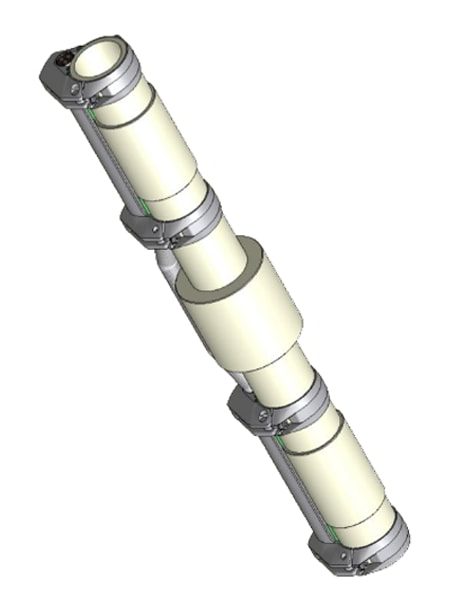
Cross coupling protectors are essential tools used in the oil and gas industry during the installation of completions in oil and gas wells. These protectors provide a variety of benefits that make them a necessary investment for any oil and gas company. Protects Control Lines: Cross coupling protectors help protect control lines from damage that can be caused by the installation process, environmental factors, and other external factors. By providing an extra layer of protection, the control line can last longer and reduce the need for costly repairs or replacements. Prevents Fluid Contamination in Cables: Cross coupling protectors prevent fluid contamination by keeping debris and other unwanted materials out of electrical cables during installation. This is particularly important in the oil and gas industry where contamination can lead to significant safety risks, equipment damage, and production losses. Reduces Maintenance Costs: The installation of cross coupling protectors can help reduce maintenance costs. By protecting control lines and cables the completion is less likely to require maintenance or repair. This can result in significant cost savings over the long-term. Improves Efficiency: Cross coupling protectors help to improve the efficiency of the installation process. By providing a secure connection and preventing contamination, the installation process can be completed more quickly and with fewer re-work. This can help to reduce downtime and increase productivity. Enhances Safety: Cross coupling protectors enhance safety by reducing the risk of equipment failure and fluid contamination. This can help to prevent accidents and injuries, and ensure that the installation process is completed safely. The use of cross coupling protectors is critical to the successful installation of tubing in oil wells. They provide numerous benefits including protecting tubing joints, preventing fluid contamination, reducing maintenance costs, improving efficiency, and enhancing safety. By investing in cross coupling protectors, oil and gas operators can ensure the long-term success of their operations while improving their bottom line. View Details
Rod Pump of various diameters and stroke lengths to optimize oil production
Sucker rod pumping systems are the oldest and most widely used type of artificial lifting system for oil wells. Sucker-rod pumping is the most widely used artificial lift method for onshore oil wells. Sucker-rod strings transfer the motion from the driving machine on the wellhead to the downhole oil pump. Pump diagnoses are generally conducted through an interpretation of the pump dynamometer graph (pump card). View Details
HP-3 Hydraulic Set High Angle 5 1/2" 20-23 PPF Packer
Ballycatter HP-3 High Angle Packer
Available sizes: 5 1/2”, 6 5/8”, 7”, and 9 5/8”
The Ballycatter HP-3 is a hydraulic-set packer engineered for high-angle and deviated well applications, where conventional mechanical or wireline-set tools are not feasible. This packer is particularly suited for single or multi-zone completions, offering flexible deployment in complex well trajectories.
Unlike mechanical systems, the HP-3 requires no tubing movement to set. This enables full well control throughout the operation, as the tubing can be landed and the wellhead installed prior to circulating or displacing fluids.
Key Features:
• Reliable Setting Mechanism: Utilizes dual balanced pistons—one actuates downward to anchor the bi-directional slips, while the other moves upward to compress a three-element packing system. This simultaneous action ensures a secure set and pack-off.
• Three-Element Seal: The packing system uses dual-durometer rubber elements to ensure long-term sealing integrity across a range of downhole conditions.
• Slips & Housing: One-piece, bi-directional slips are housed in a shear-pinned chamber, protected by a full-diameter guide to prevent damage during deployment.
• Release Options: Features a dual-method release system:
• Straight pull via shearing of pre-set screws.
• Right-hand rotation (approx. 8 turns), followed by straight pull.
• Equalization & Retrieval: Built-in equalizing valve opens automatically during release to balance pressures and enable safe retrieval. A large-diameter bypass within the mandrel allows fluid to flow during retrieval, reducing swab effects on the packing elements.
The HP-3 is engineered for reliability, operational flexibility, and full well control—making it a practical choice for complex wellbore geometries.
View Details
WI Subsurface Safety Valve 2.72 inch
The WI retrievable injection valve is a high-performance, high-flow rate injection valve. High throughput is achieved by a unique valve configuration that minimizes turbulent and potentially erosive flow. Operation is not dependent on a specific flow rate, pressure, or setting depth, thus negating the need for adjustment over time. The valve incorporates a metal-to-metal valve and seat energized by the combination of an integral spring and well pressure acting from below. The WI injection valve can be deployed on a wireline lock or through-tubing pack-off device, providing flexibility not available with alternative injection valve systems. As a result of the simple design with fewer parts, redress and repair costs are considerably lower than those for other injection valve systems. Applications The WI injection valve is primarily used in water injection applications as an alternative to conventional tubing or wireline-set safety valves. The valve is also commonly used as a retrofit solution in water injectors in which a tubing to annulus leak has occurred. The valve can be deployed below the leak point to eliminate uncontrolled annulus pressure increases when the injection stops. Features » Compatible with all known lock systems » Dedicated designs to suit Halliburton EB0 intervention packers » Enhanced internal flow profile » Simple design and construction » Flow-loop testing performed to establish pressure drop versus pump rate *information referenced from supplier catalog. View Details
2-1/2 inch Annular Vent and Sleeve
An annular vent sleeve valve communicates between the casing annulus and producing formation. The valve is a hydraulically operated sliding sleeve device like a surface controlled subsurface safety valve with a hydraulic piston and a power spring to maintain the valve in a normally closed position. The valve is used with a bull plug on top or as an annular safety valve by providing annular bypass while control pressure is applied. With an electrical feedthrough device, this valve functions through a single packer mandrel as an electric power cable passage and annular bypass. On a dual hydraulic packer, the valve operates by a common hydraulic control line that sets the packer and operates the tubing-retrievable safety valve. Hydraulic pressure from the control line shifts the valve open to create a flow path across the packer in the annulus. Spring force closes the valve upon loss of control-line pressure to the piston. If the valve becomes inoperable or closed, an emergency shear feature allows fluid to be pumped into the producing formation from the annulus. Applications » Gas lift and electric submersible pump situations Features » Accurate fluid level shot during pumping because of large ported area through the vent sleeve » Maximum gas vent flow area allows increased gas flow rates and lower circulating pressures » Valve will shut off flow from either direction — production or injection *description excerpted from manufacturers catalogue. View Details
LM2500 Wrench for HPT Coupling Nut
The LM2500 Wrench – Horizontal/Vertical HPT Coupling Nut is a specialized maintenance tool designed for the LM2500 gas turbine engine. This wrench is used to install and remove the High Pressure Turbine (HPT) coupling nut, a critical component that secures the HPT rotor to the turbine shaft.
Removing and installing the coupling nut is necessary during major maintenance activities like rotor inspections, repairs, or when replacing key turbine components. Proper removal allows technicians to safely separate the rotor from the shaft, while correct installation ensures the rotor is securely fastened for reliable engine operation.
What makes this wrench stand out is its ability to work with both horizontal and vertical engine positions. This means technicians can use it easily no matter how the engine is set up, making maintenance simpler and more flexible.
Built to precise standards and made from tough materials, the wrench ensures the right amount of force is applied when tightening or loosening the coupling nut. This careful control helps protect the engine’s important parts from damage.
By using this wrench, maintenance teams can complete their work faster and with confidence, reducing downtime and keeping the turbine reliable. It’s an essential tool that supports the smooth operation of the LM2500 engine.
View Details
The Gauge Root Valve Male x Female with Lagging Extension is designed for controlling and isolating pressure instruments on pipelines where insulation is applied. The lagging extension allows the valve handle to extend above the insulation, ensuring operators can access and operate the valve safely without removing or damaging the insulation. This design maintains the integrity of the insulated pipeline while providing reliable valve operation.
The valve is manufactured to ASME B16.34 standards and meets ISO 9001, PED, and ATEX requirements, ensuring quality and compliance for industrial and oil and gas applications. It is rated for a standard working pressure of 6000 PSI and can be supplied for higher pressures upon request. The temperature range of the valve spans from -50°C to 230°C, with higher temperature options available with graphite sealing. A metal-to-metal body bonnet seal provides high-pressure and high-temperature sealing without the need for O-rings.
The valve features a back-seated stem for added security, a self-centering non-rotating tip for consistent shutoff, and a simple adjustable gland retainer for stable packing. The rolled stem threads and mirror-finished stem through the packing allow smooth operation, reduce packing wear, and provide long-lasting performance. The removable “T” handle and dust cap on the stem further enhance ease of use and protection.
This valve is particularly suitable for applications where pipelines are insulated, allowing for accurate gauge measurement, safe operation, and minimal disruption to insulation.
View Details
Pulling Tools for Internal Fishing Necks
Maximize Your Downhole Retrieval Success with HOCA Oil Tools' Internal Fishing Neck Pulling Tools In the specialized and high-stakes environment of oil and gas exploration and production, the right tools can make a significant difference in operational efficiency, safety, and cost-effectiveness. Recognizing the industry’s needs, HOCA Oil Tools introduces its line of Internal Fishing Neck Pulling Tools, expertly designed to address the challenges of downhole tool retrieval. Our products stand as a testament to our commitment to innovation, offering precision-engineered solutions to enhance your downhole operations. HOCA’s Internal Fishing Neck Pulling Tools: Precision-Engineered for Optimal Performance Crafted for the safe and efficient retrieval of downhole equipment with internal fishing necks, HOCA Oil Tools' Internal Fishing Neck Pulling Tools are essential for any downhole operation requiring tool retrieval. Engineered with the highest standards of quality and precision, these tools are designed to securely latch onto internal fishing necks, providing a reliable grip for retrieval without causing damage to the wellbore or the tools themselves. Experience the HOCA Oil Tools Advantage Choosing HOCA Oil Tools’ Internal Fishing Neck Pulling Tools means selecting a partner dedicated to enhancing the efficiency and safety of your downhole operations. Our commitment to quality, innovation, and customer service ensures that our tools not only meet but exceed the rigorous demands of the oil and gas industry. Integrating our Internal Fishing Neck Pulling Tools into your operational toolkit positions your projects for greater success, offering the reliability and efficiency needed to tackle the complexities of modern downhole activities. With HOCA Oil Tools, you gain more than just a product; you gain a strategic advantage in your downhole operations, backed by our expertise and support. Opt for HOCA Oil Tools for your downhole needs and join the ranks of industry professionals who trust our Internal Fishing Neck Pulling Tools to enhance their operational capabilities. Elevate your downhole operations with HOCA Oil Tools – where technology, precision, and reliability converge to drive your success. View Details
The T5.4 thermocouple is a temperature-sensing probe used in LM2500 gas turbines to measure exhaust gas temperature (EGT). The label T5.4 refers to its specific position in the turbine\'s exhaust thermocouple array—zone T5 (turbine exhaust), sensor 4. These sensors are part of a system that monitors thermal conditions at multiple points in the exhaust stream.
This thermocouple operates in high-temperature environments, withstanding continuous exposure up to approximately 1100°C. It is built to maintain accuracy and reliability under the thermal stress and vibration typical in gas turbine applications.
T5.4 thermocouples are often used with flexible
harness systems. This allows operators to replace individual probes without removing the entire harness, improving maintenance efficiency and reducing downtime.
By providing real-time exhaust temperature data, the T5.4 thermocouple supports engine control, performance optimization, and safety monitoring in industrial gas turbine operations.
View Details
Safety Valve for Water Injectors 5.71 inch
The WI retrievable injection valve is a high-performance, high-flow rate injection valve. High throughput is achieved by a unique valve configuration that minimizes turbulent and potentially erosive flow. Operation is not dependent on a specific flow rate, pressure, or setting depth, thus negating the need for adjustment over time. The valve incorporates a metal-to-metal valve and seat energized by the combination of an integral spring and well pressure acting from below. The WI injection valve can be deployed on a wireline lock or through-tubing pack-off device, providing flexibility not available with alternative injection valve systems. As a result of the simple design with fewer parts, redress and repair costs are considerably lower than those for other injection valve systems. Applications The WI injection valve is primarily used in water injection applications as an alternative to conventional tubing or wireline-set safety valves. The valve is also commonly used as a retrofit solution in water injectors in which a tubing to annulus leak has occurred. The valve can be deployed below the leak point to eliminate uncontrolled annulus pressure increases when the injection stops. Features » Compatible with all known lock systems » Dedicated designs to suit Halliburton EB0 intervention packers » Enhanced internal flow profile » Simple design and construction » Flow-loop testing performed to establish pressure drop versus pump rate *information referenced from supplier catalog. View Details
Firewater pump for offshore platforms and onshore installations
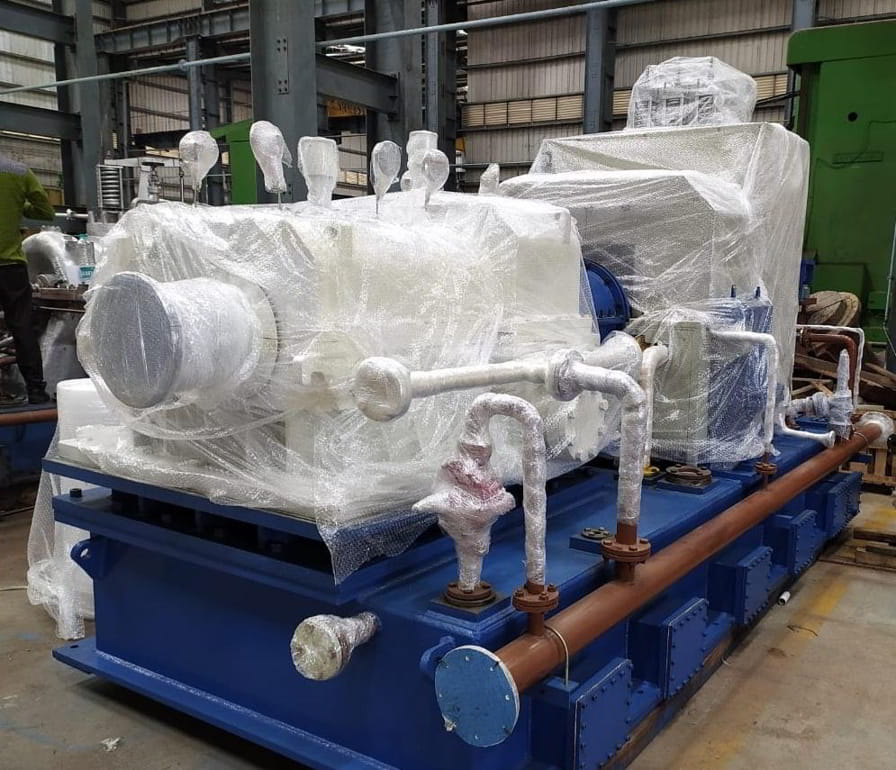
Fire pumps are an essential part of many water-based fire protection systems. They are used to increase the pressure (measured in psi and bar) of a water source when that source is not adequate for the system it's supplying. As part of a fire sprinkler system, a fire pump receives water from either an underground water supply or a water tank, lake, or reservoir, and is powered by electricity or diesel fuel. The high-pressure supplied by the pump distributes water through the sprinkler system and hose standpipes. Fire pumps are typically made with non-corrosive internal parts to avoid clogging due to corrosion. View Details
5 1/2" HP-5 Hydraulic Set Production Packer 20-23 PPF
Ballycatter HP-5 Production Packer
Available sizes: 5 1/2”, 6 5/8”, 7”, 7 5/8”, and 9 5/8”
The Ballycatter HP-5 is a hydraulically set, mechanically held, pressure-balanced production packer engineered for deep, high-pressure oil and gas applications. Designed to withstand bi-directional pressure differentials, it performs reliably in demanding environments such as deviated wells, stacked completions, and alternate zone installations. Its internal pressure balance system offsets downhole pressure fluctuations and reversals, maintaining integrity in the set position.
The HP-5 features upper and lower mechanical slips for secure engagement with casing under all well conditions, and its packing element system delivers a robust, pressure-enhanced seal. A unique body lock mechanism prevents pre-setting during deployment, keeping all components rigidly locked as a single unit while running in hole. This makes the HP-5 particularly effective in coiled tubing completions and high-angle installations.
The packer is released via a straight pull, with field-adjustable shear pins that are unaffected by differential pressure—allowing for flexible, operator-controlled release without tool disassembly. Compatible with a wide range of packer accessories, the HP-5 combines reliability, operational control, and downhole adaptability in a single robust solution for production and injection applications.
View Details
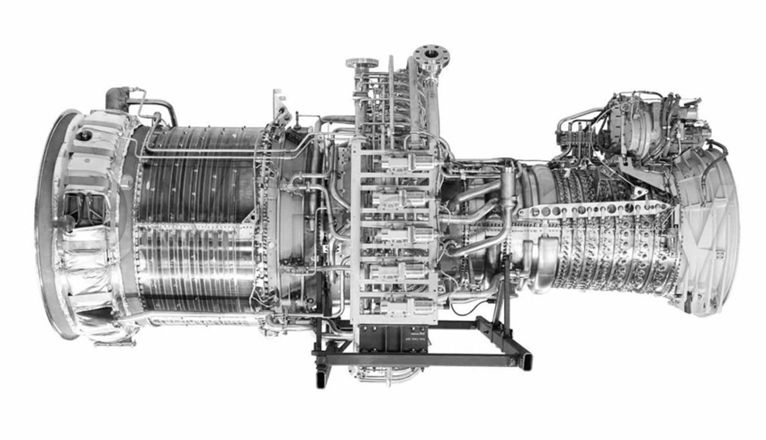
LM2500XPRESS+G4 DLE UPT Gas Turbine
The LM2500XPRESS+G4 DLE UPT is a fast-deployable gas turbine system engineered for demanding oil and gas environments—onshore or offshore. It offers a balanced combination of power, efficiency, and installation speed, making it especially suited for upstream, midstream, and LNG operations where reliable electricity and mechanical drive are critical and timelines are tight.
At the core of this system is the LM2500+G4 gas generator, a proven design that delivers higher output and efficiency than earlier models, thanks to improvements in airflow, thermal capability, and cooling. It strikes a solid middle ground in the 20–40 MW class—powerful enough to support heavy oilfield infrastructure but lighter and more flexible than larger industrial turbines.
The Dry Low Emissions (DLE) combustion system helps meet environmental regulations without relying on water or steam injection—a major advantage for remote or offshore sites where water supply is limited or emissions compliance is strict.
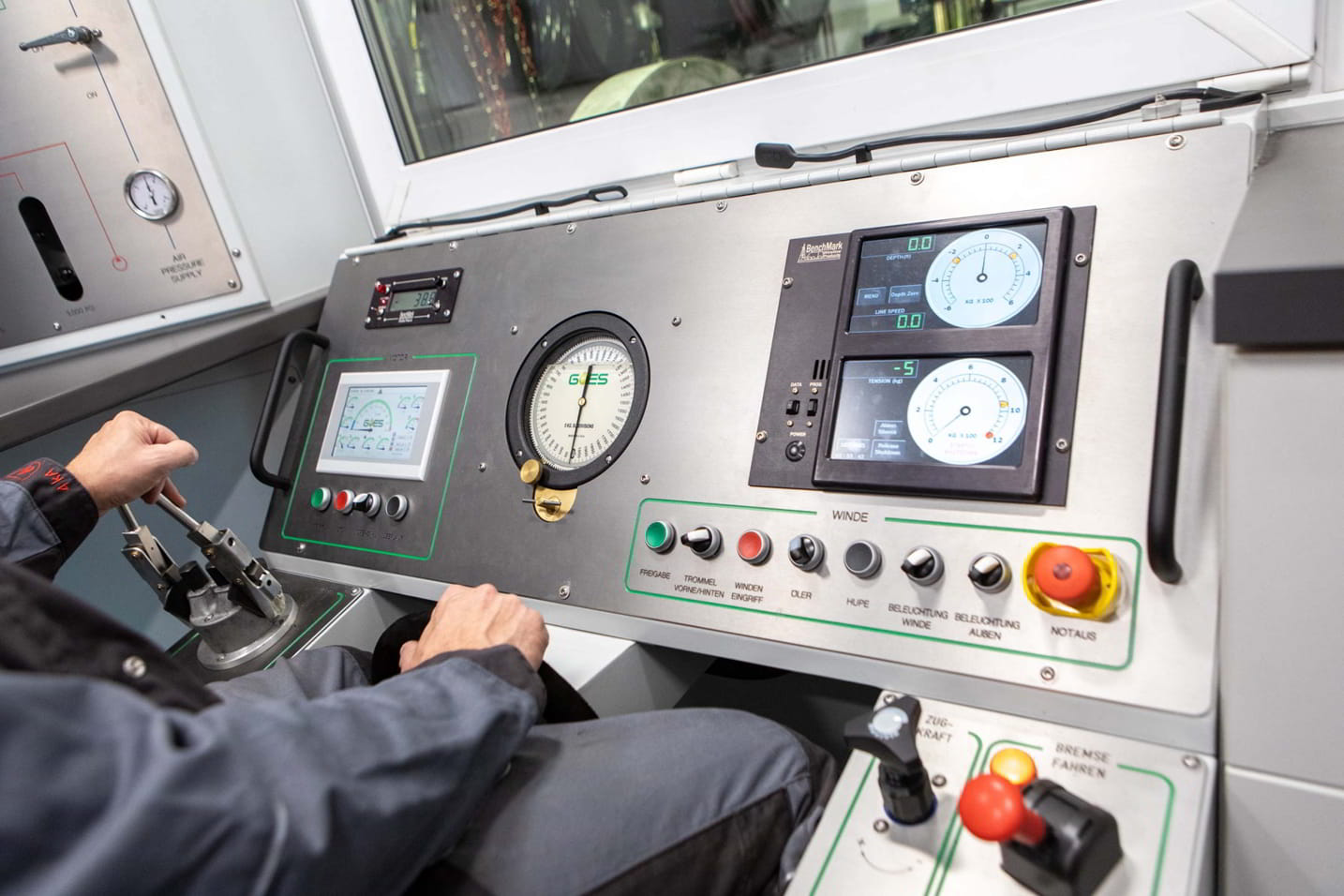
The Upgraded Power Turbine (UPT) adds flexibility in terms of shaft speed and load-following, which makes this unit adaptable for various oil and gas power demands—from continuous baseload operation to backup and peaking support.
Its XPRESS configuration emphasizes rapid deployment. The turbine is delivered in a compact, modular format, pre-assembled into a small number of transportable units with simplified electrical and mechanical interconnections. This minimizes site work, shortens commissioning time to a matter of weeks, and reduces exposure to remote-site construction risks.
View Details
LM2500XPRESS+G5 DLE UPT Gas Turbine
The LM2500XPRESS+G5 DLE UPT is a modular aeroderivative gas turbine system built for fast, flexible, and efficient power generation in both onshore and offshore environments. It is particularly well-suited for applications across LNG facilities, gas pipelines, gas processing plants, and general power generation, including electricity production at both 50 and 60 Hz, without the need for a speed reducer.
The "+G5" designation refers to its fifth-generation power turbine, offering the highest output and efficiency in the 20–40 MW class. It supports both high-speed and low-speed power turbine configurations, allowing integration into a variety of grid or mechanical drive systems.
At its core, the G5 includes a high-pressure compressor derived from the LM2500+G4, now redesigned for longer service life. In a simple cycle, it achieves up to 41% efficiency, which is notable for a turbine of this size class. The system can start from cold and reach load in about five minutes, making it ideal for rapid-response applications.
The unit is built for speed and simplicity. It’s shipped in preassembled modules, with a compact footprint that helps reduce installation time.
The Dry Low Emissions (DLE) system supports environmental compliance without requiring water or steam injection, simplifying operations and reducing resource demands.
Altogether, the LM2500XPRESS+G5 DLE UPT provides a practical solution for projects that need reliable, fast, and efficient power without a complex setup.
View Details
HDI 2000B Pressure Gauge System
The HDI 2000B Pressure Gauge System is a panel-mounted electronic device designed to measure and display high-pressure levels accurately in industrial and oilfield settings. It monitors pressures up to 20,000 psi with an accuracy of plus or minus 0.50 percent of full scale, making it suitable for critical applications where precise pressure monitoring is essential for safety and operational control.
The system consists of two main components: a digital gauge display and a remote pressure sensor connected by an interconnect cable. This design allows the sensor to be installed directly at the pressure source, such as a wellhead, pump, or manifold, while the display is mounted in a more accessible location for easy reading and monitoring.
The gauge features a six-inch liquid crystal display that combines a five-digit numeric readout with an analog bar graph composed of 101 segments. This clear and detailed display makes it easy to quickly understand both the exact pressure value and its trend, even in low-light or harsh environments. The display can be read from up to 35 feet away.

Power is supplied by a replaceable 3.6-volt battery designed to last between 12 and 18 months under continuous operation. Calibration and configuration data are stored in memory that does not require power, ensuring settings remain intact even when the battery is replaced or the system is powered off.
The pressure sensor employs strain gauge technology and is compatible with a wide range of connection types including standard pipe threads and flanges. This allows the system to be used across various equipment and pressure ranges, while simplifying maintenance by enabling cross-compatibility of sensors.
Optional analog outputs provide 4–20 mA or 0–1 volt signals to connect the gauge to control systems, data loggers, or remote displays. This supports centralized monitoring and integration with automated process control.
In oil and gas operations, the 2000B system is commonly used to monitor pressure at wellheads to ensure safe extraction pressures, on pumps to maintain correct fluid flow and prevent overpressure damage, and on manifolds to track pressure differentials between flow lines. Accurate, real-time pressure data from this system helps operators detect anomalies early, avoid equipment failure, and optimize production rates while maintaining safe operating conditions. Its robust design and modular installation make it well-suited for harsh field environments where reliability and ease of maintenance are critical.
View Details
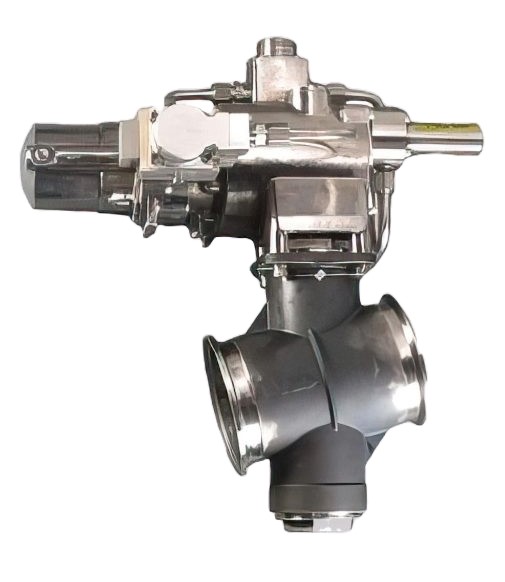
2.5″ Butterfly Bleed Air Valve
The 2.5″ Butterfly Bleed Air Valve is a critical component in the LM2500 gas turbine, responsible for regulating the flow of bleed air—compressed air extracted from the turbine’s compressor stage. This valve helps control internal pressures and temperatures, which is essential to maintain safe and efficient turbine operation.
The valve has an effective flow area of 2.5 square inches, allowing it to manage airflow precisely in smaller turbine setups or space-restricted environments. Its butterfly-shaped disc is permanently attached to the shaft, which ensures consistent movement and reliable control of air flow with minimal play or slippage.
One important feature is its fast response time—less than 320 milliseconds to complete a full open or close stroke. This quick action enables the turbine control system to rapidly adjust pressure levels, preventing overheating and reducing mechanical stress on turbine components.
The valve’s bearing shaft is robustly designed to handle frequent small movements, known as dither cycles, without premature wear. The bearings themselves are specifically engineered to support these high-cycle conditions, improving the valve’s durability and lifespan.
By efficiently managing bleed air, this valve helps protect the turbine from excessive pressure build-up and thermal stress, which can otherwise lead to damage or reduced efficiency. Its design also allows installation without requiring changes to the turbine’s hydraulic or electrical systems, making it suitable for retrofits or upgrades on existing LM2500 turbines.
In summary, the 2.5″ Butterfly Bleed Air Valve plays a vital role in controlling compressor bleed air in LM2500 turbines, balancing safety, performance, and durability within compact or smaller turbine applications.
View Details
LM2500+G4 SAC 50Hz CC 1x1 Gas Turbine
The LM2500+G4 SAC 50Hz Combined Cycle 1x1 is a gas turbine system that combines a gas turbine with a steam turbine to improve overall power generation efficiency. This configuration captures waste heat from the gas turbine exhaust and uses it to produce steam, which then drives the steam turbine, generating additional electricity. This approach helps maximize power output while making better use of fuel energy.
Building on the LM2500+ design, the LM2500+G4 increases power capability by about 10% without reducing the lifespan of critical hot section components. This is achieved by increasing airflow, enhancing materials, and improving internal cooling. Despite these upgrades, the core compressor and turbine stages, as well as most airfoil and combustor designs, remain consistent with the LM2500 model.
The LM2500+G4 features a 17-stage high-pressure compressor that raises the engine’s pressure ratio and airflow, boosting the total power output of the gas turbine to over 31 MW. It uses a Single Annular Combustor (SAC) equipped with water injection to help control emissions while maintaining stable combustion. The SAC’s simple, proven design provides uniform flame temperature and reliable operation.
This balanced system is common in industrial and energy applications where efficiency and power output must be optimized, especially under varying ambient conditions. The combined cycle setup offers a reliable and efficient solution for electricity generation in demanding environments.
View Details
In oil and gas well operations, the 2 ½” Tubing End Locator plays a critical role in confirming the exact depth at which production tubing terminates within the wellbore. Accurately identifying the tubing endpoint is essential during various well intervention activities, including maintenance, workovers, and the installation or retrieval of downhole tools and equipment.
During operations such as setting packers, deploying plugs, running logging tools, or performing fishing jobs to recover stuck equipment, precise knowledge of tubing length ensures that tools are positioned correctly. This prevents accidental over-pumping or tool deployment beyond the tubing into the open hole section of the well, where damage to equipment or tool loss can occur.
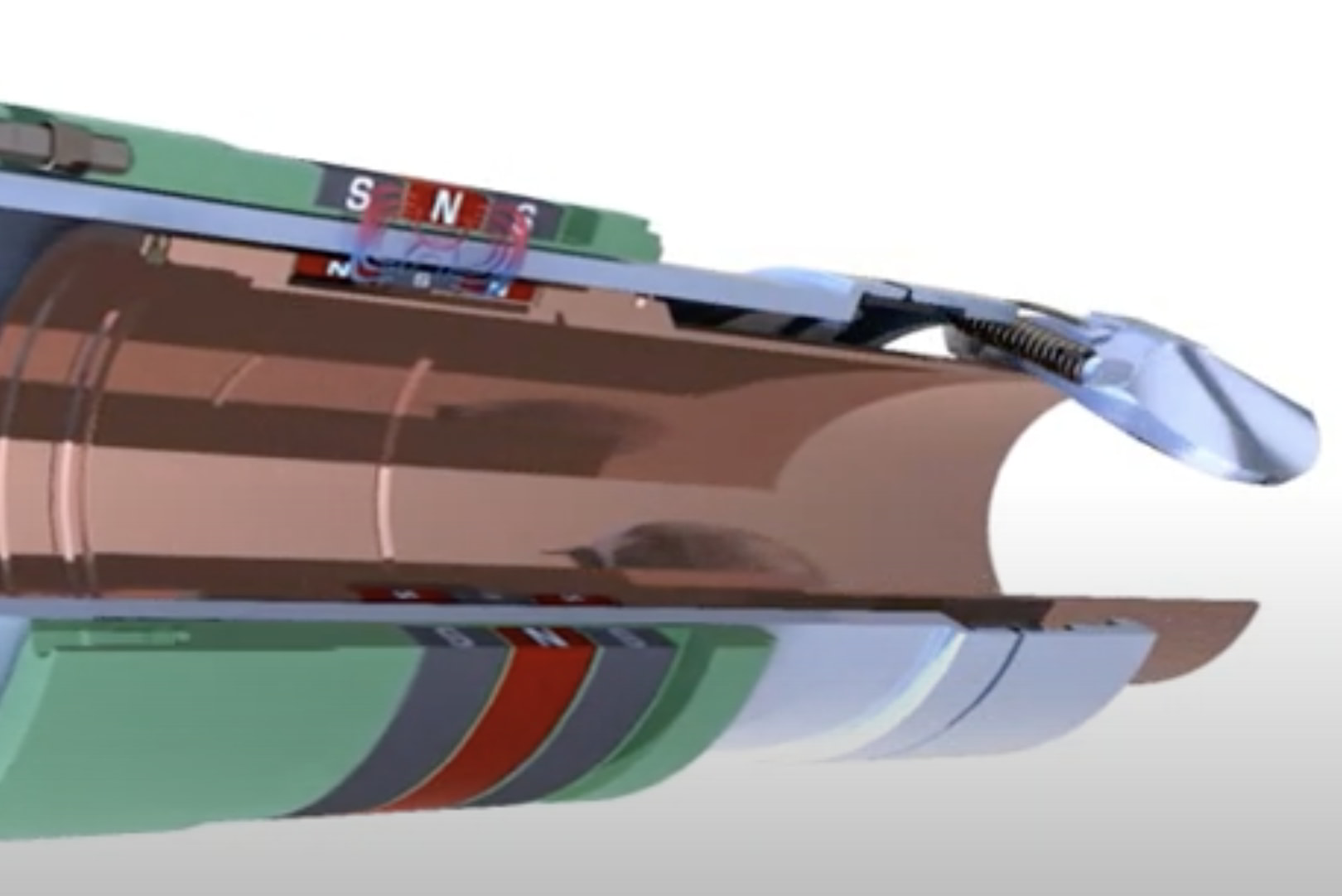
The 2 ½” Tubing End Locator is designed specifically to fit tubing with an outer diameter of approximately 2 ½ inches. It features a compact maximum outside diameter of around 1.750 inches, allowing it to pass easily within the tubing without causing obstruction. The tool employs a spring-loaded finger mechanism that activates mechanically upon reaching the tubing bottom. This signal does not rely on electronic sensors or depth measurement devices, making the tool highly reliable even in harsh downhole environments where electronics may be compromised by pressure, temperature, or fluid conditions.
Standardized threaded connections on the tool—typically a 15/16 - 10 UN pin on the top and a 1 - 11 1/2 NPT box on the bottom—enable it to be seamlessly integrated into a wide range of intervention toolstrings. These common connection types ensure compatibility with existing downhole equipment and facilitate quick assembly and deployment.
Manufactured from high-strength alloy steel or similar materials, the tubing end locator is built to withstand typical downhole conditions, including high pressure, elevated temperatures, and corrosive fluids commonly found in oil and gas wells. Its purely mechanical design minimizes maintenance requirements and reduces the risk of failure compared to electronic alternatives.
This tool is particularly valuable in wells where tubing length may have changed due to wear, repairs, or previous interventions, offering an essential measure of control and confidence in complex well environments.
View Details
5" Mech-2 Double Grip Mechanical Set Packer for 11.5-15 PPF Casing
Ballycatter Mech-2 Double Grip Mechanical Packer
Available sizes: 5”, 5 1/2”, 6 5/8”, 7”, 9 5/8”, and 10 3/4”
The Ballycatter Mech-2 is a retrievable, compression-set double-grip mechanical packer designed for applications where pressure differentials from below are anticipated, such as combined stimulation and production operations. Featuring opposing slips above and below the packing element, the Mech-2 ensures secure bi-directional anchoring within the casing under varying well conditions.
The tool incorporates a built-in hydraulic hold-down system located beneath the face-seal bypass valve, enabling it to resist upward forces during stimulation treatments. A unique “Differential Lock” mechanism utilizes pressure from below the packer to actuate a balance sleeve, generating additional downward force that maintains bypass valve integrity and ensures a reliable seal.
The Mech-2 is mechanically set using a long-stroke mandrel and a J-slot mechanism. Once positioned, right-hand rotation and applied set-down weight close the bypass valve, engage both slip sets, and compress the sealing elements. The formation below the packer is then fully isolated and accessible only through the tubing. To retrieve, the tubing is raised the full packer length, automatically re-engaging the J-slot and reopening the bypass for pressure equalization and circulation.
With its dual-grip design, hydraulic hold-down, and controlled setting and release process, the Mech-2 offers a robust and dependable solution for demanding applications requiring secure annular isolation and enhanced downhole stability.
View Details
This 2-way panel-mounted ball valve with Tube OD connections is designed to control, start, or stop fluid flow in oil and gas tubing systems. Its 2-way configuration allows fluid to flow in either direction between two ports, providing reliable on/off operation for pipelines, sampling lines, injection systems, or bypass lines.
The Tube OD connections allow direct attachment to tubing without additional fittings, simplifying installation and reducing potential leak points. The panel-mounted design enables operation from a control panel, making it suitable for systems where multiple valves are centralized or where physical access to the tubing is limited.
The valve features a floating ball design that ensures leak-proof shut-off under high-pressure conditions. Standard working pressure is 6000 PSI. It is designed and tested to ASME B16.34 for pressure-temperature ratings, and valve ratings follow ASME Process Piping Code B31.3. The valve has been type tested to MSS-SP-99 and offers a temperature range from –40 °F to 450 °F (–40 °C to 232 °C).
Operation is simple with a quarter-turn handle, providing fast, low-torque control. The three-piece construction allows easy installation and maintenance, including replacement of internal components. Each valve is factory tested pneumatically with nitrogen gas at 1000 psig for seat and stem leakage, with a maximum allowable leak rate of 0.1 sec/min. Optional additional tests, such as vibration, temperature, and helium, are available.
The valve is available in a range of corrosion-resistant materials, including SS 316, SS 316L, Duplex, Super Duplex, Hastelloy, Inconel, and Monel. Optional compliance with NACE MR0175 and fire-safe designs makes it suitable for demanding industrial environments. Heat code traceability ensures material verification and quality assurance.
View Details
Fuel Nozzle for LM2500 Gas Turbine
The 2-cup Fuel Nozzle is a precision-engineered component used in gas turbines, specifically in the oil and gas industry. Its primary function is to inject liquid fuel into the combustion chamber in a fine, atomized spray, allowing for optimal mixing with air and efficient ignition. This ensures stable combustion, better fuel efficiency, and reduced emissions—key performance factors in industrial turbine applications.
The “2-cup” design refers to the nozzle’s dual flow passages, which help balance fuel distribution across the combustion zone. This promotes more uniform flame stability and lowers the risk of hot spots that can cause thermal stress to the turbine hardware. The nozzle is typically used on “base” engines and is suited for continuous-duty operations.
The L47197P05 variant is known for its compatibility with LM2500 turbine configurations and is built to endure harsh operating environments. It features durable materials and a design that withstands high temperatures and pressures commonly found in oil and gas turbine systems.
View Details
4 1/16" Coiled Tubing Hanger for 10,000 PSI
The 4 1/16” 10M Coiled Tubing Hanger is engineered to provide reliable mechanical support and pressure containment for coiled tubing strings used in demanding oil and gas well intervention operations. Specifically designed to accommodate coiled tubing sizes up to 3 1/2” outer diameter, this hanger is rated for high-pressure applications up to 10,000 psi (10M), making it suitable for wells with challenging downhole conditions and high-pressure requirements.
Constructed with robust materials and precision-engineered to meet API 6B and 6BX standards, the hanger ensures secure connection to wellhead equipment through flanged interfaces, enabling seamless integration into existing well infrastructure. The design incorporates a wireline entry sub that guides wireline tools into the tubing bore and provides a secondary annulus seal. This feature not only facilitates the safe deployment of wireline tools but also restricts any upward movement of the coiled tubing, maintaining tubing position and well control during operations.
This coiled tubing hanger supports a range of intervention tasks, including well cleanouts, stimulations, logging, and workover activities, by securely suspending the tubing and maintaining pressure integrity at the wellhead. The ability to reliably seal the annulus while supporting heavy-duty tool strings helps reduce operational risks, prevents fluid leaks, and minimizes well downtime. Its capacity to handle larger tubing sizes and high pressures makes the 4 1/16” 10M hanger especially valuable in complex wells where robust mechanical support and dependable sealing are critical for safe and efficient well intervention.
View Details
Tubing Retrievable Surface Controlled Subsurface Safety Valve 2-7/8 inch SP
The SP™ tubing-retrievable safety valve (TRSV) is a single rod-piston non-elastomer flapper valve designed for hostile environments and extended life applications where ultimate reliability is required. Potential leak paths within the valve are minimized with the single rod-piston design. The piston achieves a metal-to-metal (MTM) seal at its uppermost and lowermost positions to seal well pressure from the control system. The SP valves incorporate flappers using spherical radius sealing surfaces that help greatly improve seal reliability. The spherical radius design provides full MTM sealing integrity. For applications where either the OD or ID is restrained, SP valves incorporate a contoured flapper. OD/ID relationships are improved by the contoured flapper design, which helps provide superior MTM sealing when compared to other forms of curved flapper technology. Applications » For applications requiring ultimate reliability and longevity, such as high-temperature/high-pressure, and subsea completions, or hostile well environments Features » Non-elastomer dynamic piston seals » MTM static seal at upper and lower piston positions » MTM body joints » Flow tube fluted guide » 100% MTM flapper » Concentric thrust bearing » Wiper ring on upper flow tube » Cleanout ports in flow tube’s upper end » Internal exercise profile » Flow tube shock absorber » MTM face seat at flow tube downstop » Setting depths to 9,000 ft (2743 m) » Critical components isolated from well debris with valve in open position » Area above flow tube free of solids buildup » Flow tube can be manipulated by slickline » Protected from high flow rate slam closures *information referenced from supplier catalog. View Details
The Double Block & Bleed Valve with Flange x Flange connections and Ball x Ball isolation with Needle drain is designed to provide reliable dual isolation in oil and gas applications. This valve allows two points of isolation in a single assembly, reducing leak paths and ensuring safe maintenance downstream of the first isolation point. The integrated needle drain safely vents any trapped pressure between the two isolation valves.
This valve is available in flange sizes from 1/2” (DN 15) and can be used in applications requiring Class 150 ratings. Reduced and full bore options are offered to accommodate varying flow requirements. The design is suitable for direct or remote mounting of instruments, chemical injection connections, gauge isolation, instrument drains, and piping/instrument interfaces.
Manufactured in materials such as SS 316, SS 316L, Duplex, Super Duplex, Hastelloy, Inconel, and Monel, the valve can also meet NACE MR-0-175 requirements where corrosion resistance is necessary. The assembly conforms to recognized standards including ASME B16.34, API 6D, and ISO 17292. Its compact design allows easier installation in space-constrained environments while minimizing stress from loading or vibration.
This configuration is particularly useful in oil and gas operations where dual isolation is needed for maintenance, sampling, or chemical injection, providing a safe and efficient solution in instrument and piping systems.
View Details
Water Injection Safety Valve Type MC 5-1/2 inch
MC (flapper-type) injection valves are used in injection wells to automatically shut-in the tubing string when injection stops or flow reverses. MC injection valves are spring-loaded, wireline-retrievable valves with large bores. The MC injection valves also feature sealing areas that are out of the direct flow path. These valves are designed to be held open by injection pressure for fluid passage. If injection flow becomes static or reverses for any reason, the spring and/or reverse flow causes the valves to close. These valves are designed to remain closed until pressure differential across the valves is equalized and injection is resumed. Applications » Injection wells Features » MC valves have sealing areas that are out of the direct flow path *information sourced from manufacturer View Details
2 9/16" Coiled Tubing Hanger - 10M Pressure Capacity
The 2 9/16” 10M Coiled Tubing Hanger is used to suspend coiled tubing during well intervention and workover operations in high-pressure environments. It is rated for a working pressure of up to 10,000 psi and is typically installed as part of the wellhead assembly to maintain well control during live operations.
Coiled tubing (CT) is a continuous length of small-diameter steel pipe deployed into a well without the need for threaded connections. It allows operators to perform various tasks—such as cleaning out debris, stimulating production zones, or running diagnostic tools—without removing existing production tubing. This makes CT a common method for non-invasive well maintenance.
The hanger supports coiled tubing sizes from 1” to 1¾” outer diameter. It connects to the surface system using standard API 6B or 6BX flanges. A wireline entry sub is included, which serves two functions: it guides wireline tools into the tubing and provides a secondary annular seal to help control pressure and prevent tubing movement.
This component is part of the broader coiled tubing unit and is required to safely manage tubing and tool access while maintaining pressure integrity. It is typically used in wells where continuous intervention work is needed without shutting in the well, especially in high-pressure or deeper formations.
View Details