Don't have an account? Join for free
Cart
3” Sleeve Style Gas Blowoff Valve
The Blowoff Valve is a 3-inch sleeve-style gas blowoff valve designed for use in aero-derivative industrial gas turbines. Its primary function is to isolate gas fuel during turbine shutdowns or emergency events, helping prevent overspeed conditions and damage caused by uncontrolled combustion.
This valve features a solenoid-pilot actuation system and operates with either 24 VDC or 95–140 VDC electrical input. It is designed with a 3-inch outlet flange and built entirely from stainless steel materials to ensure durability and compliance with NACE standards for sour gas environments.
Performance characteristics include a 110 millisecond full-stroke opening time and 1 second full-stroke closing time, meeting the rapid response requirements necessary for turbine protection. The valve is capable of withstanding heat soak temperatures up to 400°F, allowing it to function reliably in high-temperature turbine enclosures.
For safety in hazardous environments, the blowoff valve is certified to CE-ATEX Group IIA, Category 3, Zone 2, T3, supporting its use in oil and gas facilities with potentially explosive atmospheres.
This valve is often used in redundant pairs to provide dual isolation capability, increasing system reliability. Its application is critical to turbine safety systems, ensuring that fuel flow can be quickly and reliably shut off when required.
View Details
Surface Controlled Annular Vent and Sleeve Valve 2 inch
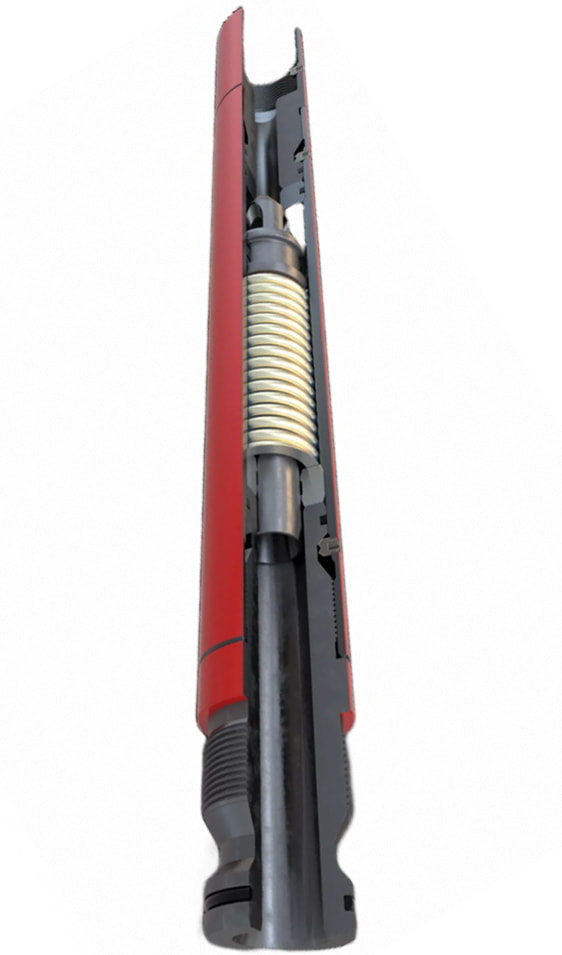
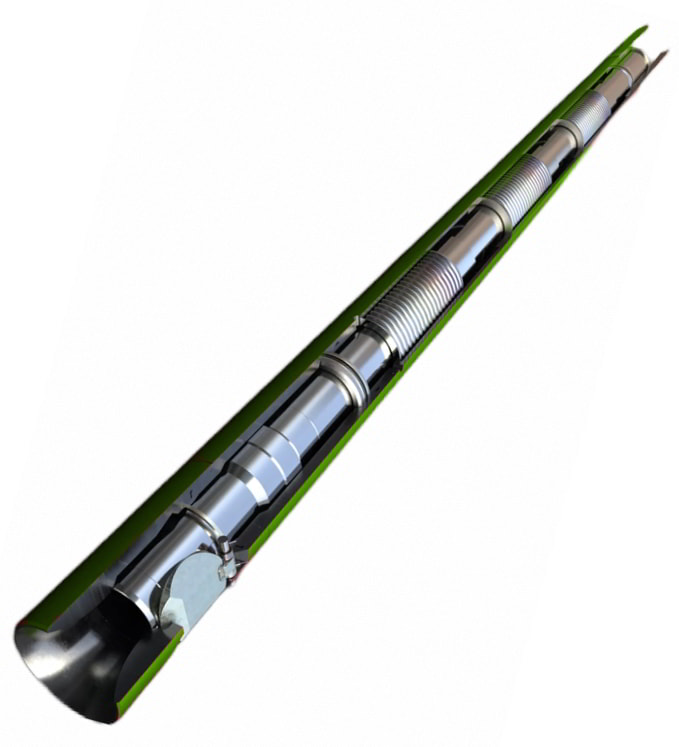
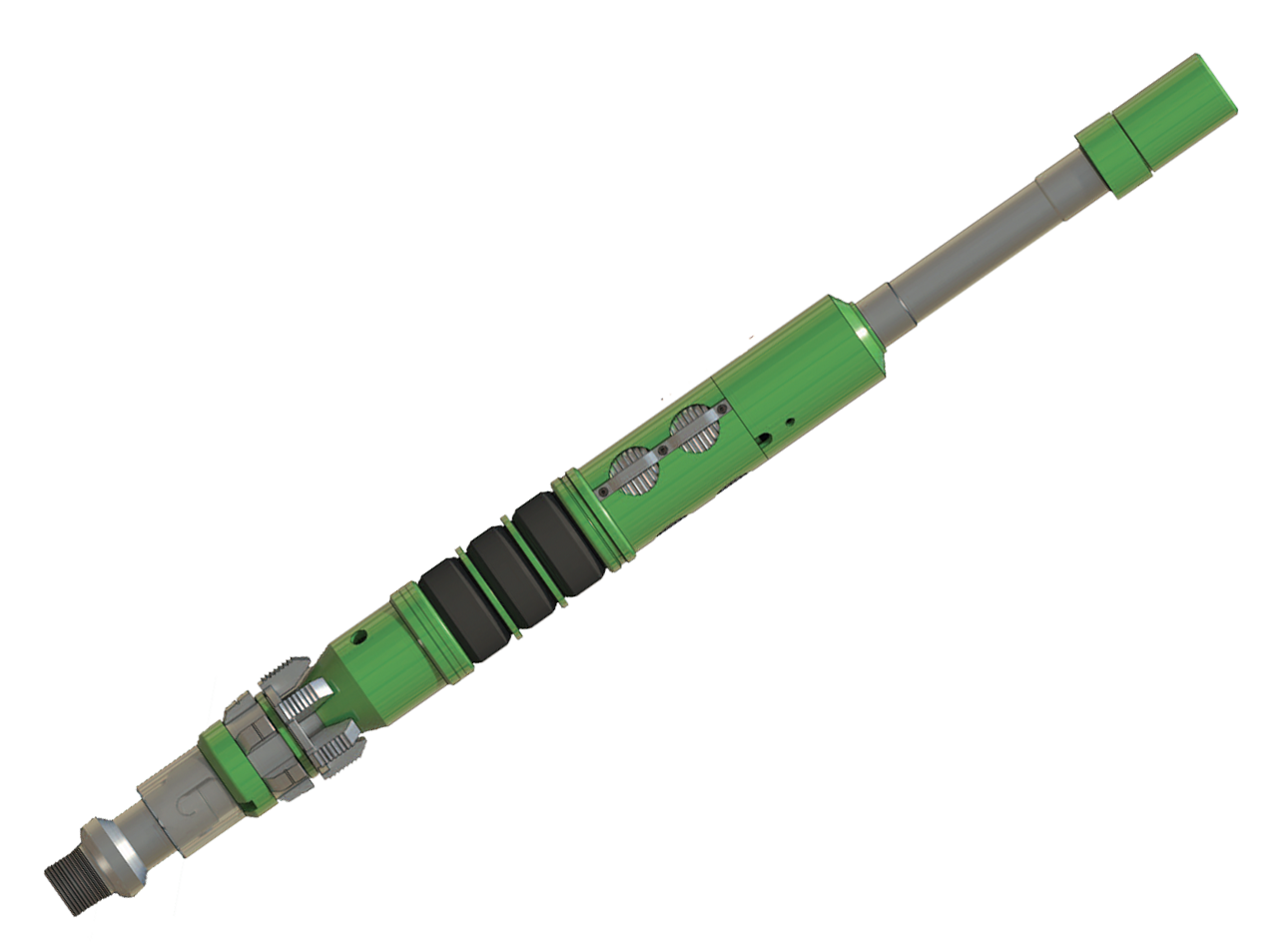
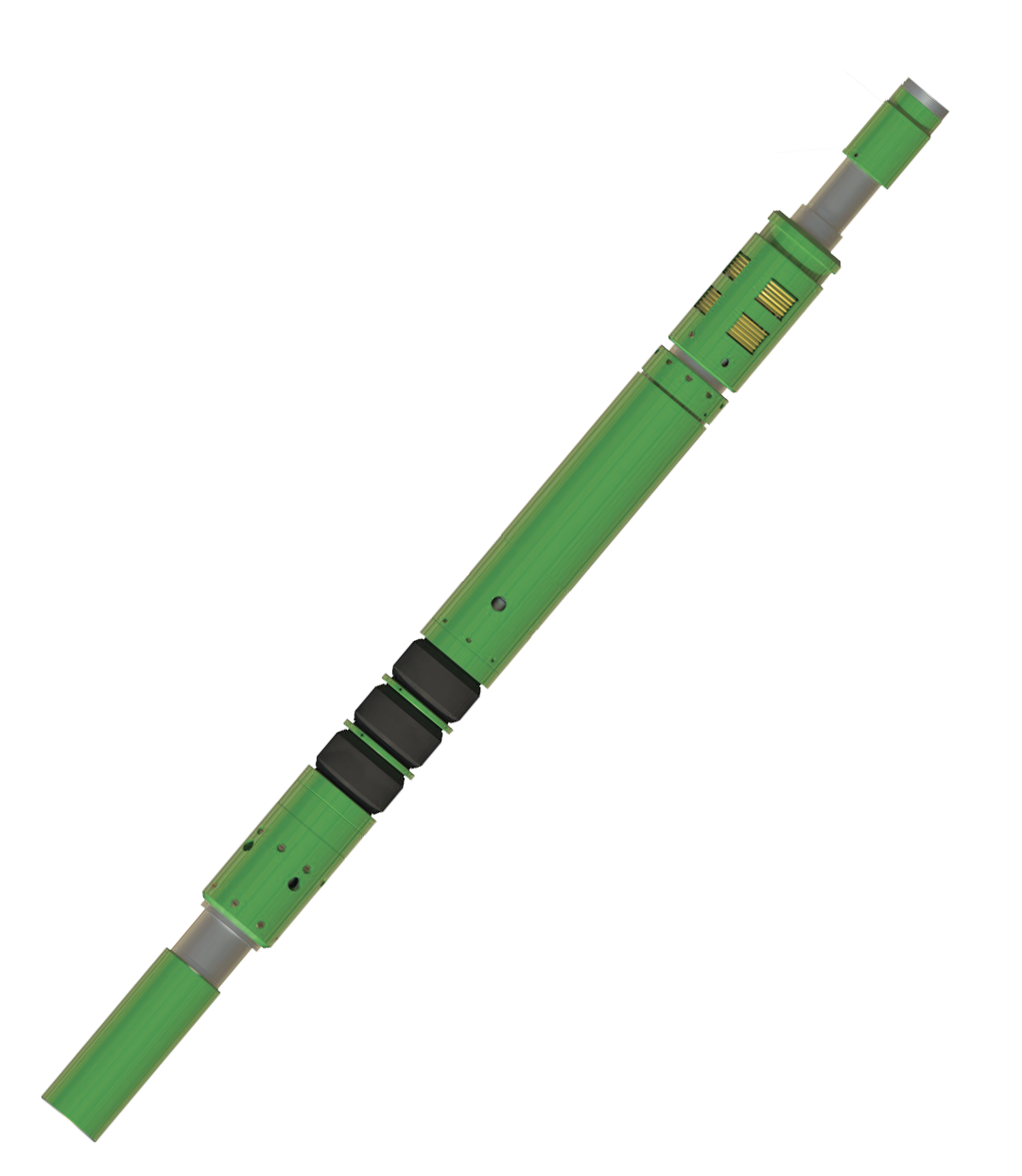
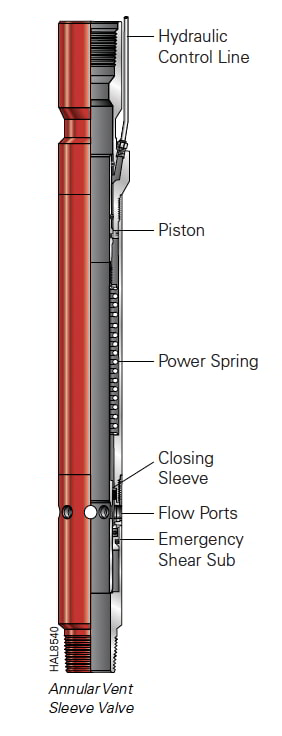
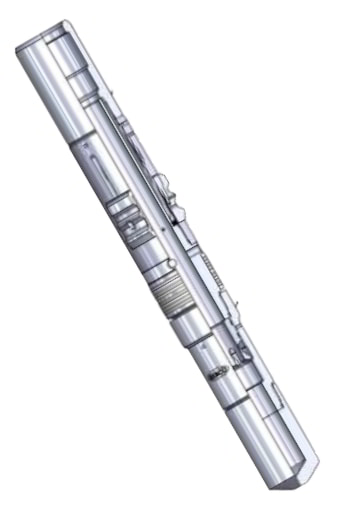
An annular vent sleeve valve communicates between the casing annulus and producing formation. The valve is a hydraulically operated sliding sleeve device like a surface controlled subsurface safety valve with a hydraulic piston and a power spring to maintain the valve in a normally closed position. The valve is used with a bull plug on top or as an annular safety valve by providing annular bypass while control pressure is applied. With an electrical feedthrough device, this valve functions through a single packer mandrel as an electric power cable passage and annular bypass. On a dual hydraulic packer, the valve operates by a common hydraulic control line that sets the packer and operates the tubing-retrievable safety valve. Hydraulic pressure from the control line shifts the valve open to create a flow path across the packer in the annulus. Spring force closes the valve upon loss of control-line pressure to the piston. If the valve becomes inoperable or closed, an emergency shear feature allows fluid to be pumped into the producing formation from the annulus. Applications » Gas lift and electric submersible pump situations Features » Accurate fluid level shot during pumping because of large ported area through the vent sleeve » Maximum gas vent flow area allows increased gas flow rates and lower circulating pressures » Valve will shut off flow from either direction — production or injection *description excerpted from manufacturers catalogue. View Details
2 9/16" Coiled Tubing Hanger - 10M Pressure Capacity
The 2 9/16” 10M Coiled Tubing Hanger is used to suspend coiled tubing during well intervention and workover operations in high-pressure environments. It is rated for a working pressure of up to 10,000 psi and is typically installed as part of the wellhead assembly to maintain well control during live operations.
Coiled tubing (CT) is a continuous length of small-diameter steel pipe deployed into a well without the need for threaded connections. It allows operators to perform various tasks—such as cleaning out debris, stimulating production zones, or running diagnostic tools—without removing existing production tubing. This makes CT a common method for non-invasive well maintenance.
The hanger supports coiled tubing sizes from 1” to 1¾” outer diameter. It connects to the surface system using standard API 6B or 6BX flanges. A wireline entry sub is included, which serves two functions: it guides wireline tools into the tubing and provides a secondary annular seal to help control pressure and prevent tubing movement.
This component is part of the broader coiled tubing unit and is required to safely manage tubing and tool access while maintaining pressure integrity. It is typically used in wells where continuous intervention work is needed without shutting in the well, especially in high-pressure or deeper formations.
View Details
KWIK Control Line and Cable Protector
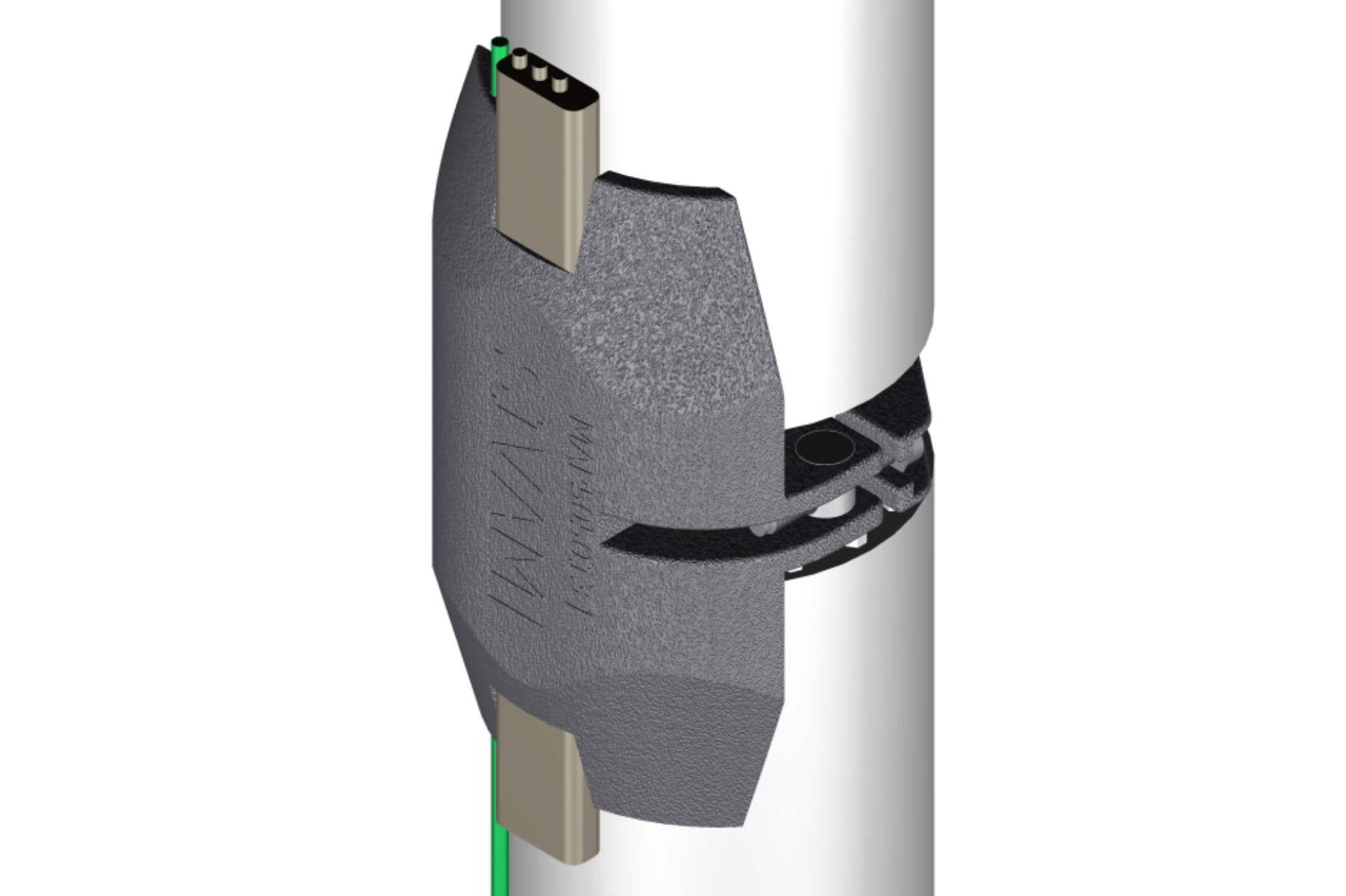
Cross coupling protectors are essential tools used in the oil and gas industry during the installation of completions in oil and gas wells. These protectors provide a variety of benefits that make them a necessary investment for any oil and gas company. Protects Control Lines: Cross coupling protectors help protect control lines from damage that can be caused by the installation process, environmental factors, and other external factors. By providing an extra layer of protection, the control line can last longer and reduce the need for costly repairs or replacements. Prevents Fluid Contamination in Cables: Cross coupling protectors prevent fluid contamination by keeping debris and other unwanted materials out of electrical cables during installation. This is particularly important in the oil and gas industry where contamination can lead to significant safety risks, equipment damage, and production losses. Reduces Maintenance Costs: The installation of cross coupling protectors can help reduce maintenance costs. By protecting control lines and cables the completion is less likely to require maintenance or repair. This can result in significant cost savings over the long-term. Improves Efficiency: Cross coupling protectors help to improve the efficiency of the installation process. By providing a secure connection and preventing contamination, the installation process can be completed more quickly and with fewer re-work. This can help to reduce downtime and increase productivity. Enhances Safety: Cross coupling protectors enhance safety by reducing the risk of equipment failure and fluid contamination. This can help to prevent accidents and injuries, and ensure that the installation process is completed safely. The use of cross coupling protectors is critical to the successful installation of tubing in oil wells. They provide numerous benefits including protecting tubing joints, preventing fluid contamination, reducing maintenance costs, improving efficiency, and enhancing safety. By investing in cross coupling protectors, oil and gas operators can ensure the long-term success of their operations while improving their bottom line. View Details
M-KWIK Control Line and Cable Protector
Cross coupling protectors are essential tools used in the oil and gas industry during the installation of completions in oil and gas wells. These protectors provide a variety of benefits that make them a necessary investment for any oil and gas company. Protects Control Lines: Cross coupling protectors help protect control lines from damage that can be caused by the installation process, environmental factors, and other external factors. By providing an extra layer of protection, the control line can last longer and reduce the need for costly repairs or replacements. Prevents Fluid Contamination in Cables: Cross coupling protectors prevent fluid contamination by keeping debris and other unwanted materials out of electrical cables during installation. This is particularly important in the oil and gas industry where contamination can lead to significant safety risks, equipment damage, and production losses. Reduces Maintenance Costs: The installation of cross coupling protectors can help reduce maintenance costs. By protecting control lines and cables the completion is less likely to require maintenance or repair. This can result in significant cost savings over the long-term. Improves Efficiency: Cross coupling protectors help to improve the efficiency of the installation process. By providing a secure connection and preventing contamination, the installation process can be completed more quickly and with fewer re-work. This can help to reduce downtime and increase productivity. Enhances Safety: Cross coupling protectors enhance safety by reducing the risk of equipment failure and fluid contamination. This can help to prevent accidents and injuries, and ensure that the installation process is completed safely. The use of cross coupling protectors is critical to the successful installation of tubing in oil wells. They provide numerous benefits including protecting tubing joints, preventing fluid contamination, reducing maintenance costs, improving efficiency, and enhancing safety. By investing in cross coupling protectors, oil and gas operators can ensure the long-term success of their operations while improving their bottom line. View Details
WI Valve for injection wells (3.39 inch)
The WI retrievable injection valve is a high-performance, high-flow rate injection valve. High throughput is achieved by a unique valve configuration that minimizes turbulent and potentially erosive flow. Operation is not dependent on a specific flow rate, pressure, or setting depth, thus negating the need for adjustment over time. The valve incorporates a metal-to-metal valve and seat energized by the combination of an integral spring and well pressure acting from below. The WI injection valve can be deployed on a wireline lock or through-tubing pack-off device, providing flexibility not available with alternative injection valve systems. As a result of the simple design with fewer parts, redress and repair costs are considerably lower than those for other injection valve systems. Applications The WI injection valve is primarily used in water injection applications as an alternative to conventional tubing or wireline-set safety valves. The valve is also commonly used as a retrofit solution in water injectors in which a tubing to annulus leak has occurred. The valve can be deployed below the leak point to eliminate uncontrolled annulus pressure increases when the injection stops. Features » Compatible with all known lock systems » Dedicated designs to suit Halliburton EB0 intervention packers » Enhanced internal flow profile » Simple design and construction » Flow-loop testing performed to establish pressure drop versus pump rate *information referenced from supplier catalog. View Details
The Panel Mounted Ball Valve, 2-Way Female × Female, is an isolation valve designed to control, start, or stop fluid flow in oil and gas piping systems. Its 2-way configuration allows flow in either direction between two ports, providing reliable on/off operation for process lines, sampling, injection systems, or bypass lines.
The female × female connections provide secure inline installation without the need for additional fittings, reducing potential leak points and simplifying system integration. The panel-mounted design enables operation from a control panel, making it suitable for applications where multiple valves are centralized or access to the pipeline is limited.
The valve features a floating ball design that ensures leak-proof shut-off under high-pressure conditions. Operation is achieved via a quarter-turn handle, which indicates flow direction and allows fast, low-torque control. The three-piece construction facilitates easy installation, maintenance, and replacement of internal components. It is factory tested for seat and stem leakage and is available in a range of corrosion-resistant materials including SS 316, SS 316L, Duplex, Super Duplex, Hastelloy, Inconel, and Monel. Optional compliance with NACE MR0175 and fire-safe designs make it suitable for demanding industrial environments.
View Details
Subsea X-mas Tree for subsea oil and gas developments
Subsea Christmas Trees, both standard and horizontal are available in current stock and can be shipped worldwide. The subsea x-mas tree is designed for the highest level of reliability with manual rov overrides and retrievable chokes these trees are ready for installation in the most demanding environments. If you require subsea trees, consider the time and cost savings of utilising our existing inventory. View Details
The Ball Valve Lever Operated – 2-Way Tube OD End Connection is a high-performance isolation valve designed to start, stop, or regulate fluid flow in oil and gas piping systems. Its 2-way configuration provides a simple and reliable method for controlling flow in a single pipeline, allowing full shut-off or bi-directional flow as needed in production lines, injection lines, sampling lines, or small-diameter process tubing.
The valve features tube OD (outer diameter) connections, which allow direct attachment to tubing without the need for additional fittings. This simplifies installation, reduces potential leak points, and is especially useful in compact piping layouts or systems where welded or threaded connections are impractical.
The floating ball design ensures consistent, leak-proof shut-off even under high-pressure conditions. Operation is simple and efficient with a quarter-turn lever, providing fast control with low torque. The internally loaded stem with shoulder prevents blowout, enhancing safety, and replaceable seats and packings extend service life.
The valve is suitable for a wide range of oil and gas applications where reliable isolation and ease of installation are required.
View Details
Thru-Tubing MatrixStixx 2 inch
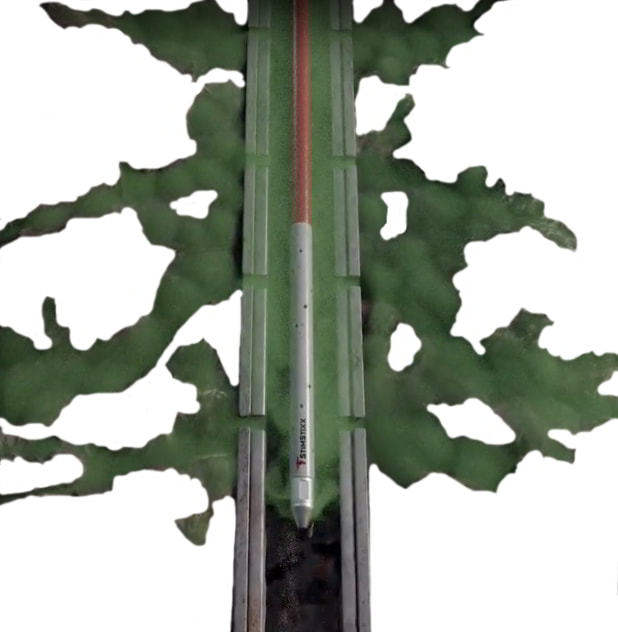
Introducing Thru-Tubing Acid Stimulation by StimStixx Technologies - Revolutionize Your Operations! Are you looking for a quick, efficient, and environmentally friendly acid stimulation solution? Look no further! StimStixx Technologies is proud to present our cutting-edge Thru-Tubing Acid Stimulation system, designed to meet all your needs with ease and precision. Our innovative product offers a hassle-free deployment process via electric wireline, ensuring a seamless integration into your operations. Available in both HCL and HCL/HF acid blends, our solution guarantees the utmost effectiveness in achieving your desired results. At the heart of our Thru-Tubing Acid Stimulation system lies a specially formulated solid acid stick. Whether you're using slickline, wireline, coil tubing, or tractor-conveyed methods, our solid acid stick delivers heated acid vapor with pinpoint accuracy directly to the zone of interest. This groundbreaking approach ensures increased penetration and contact with the formation, thanks to the highly reactive nature of the heated acid vapor. Not only does our system deliver exceptional performance, but it also provides numerous benefits that will enhance your operations in more ways than one. By utilizing our Thru-Tubing Acid Stimulation, you'll experience reduced CO2 emissions, lower downtime, and simplified implementation. The increased precision and fast-acting nature of our solution will save you valuable time and resources, while also reducing manpower, rig, and equipment costs. Additionally, the elimination of contaminated effluent means a reduced risk of spills at the surface and eliminates the need for post-treatment clean-up or disposal. Join the countless businesses already benefiting from our Thru-Tubing Acid Stimulation system. Embrace efficiency, precision, and environmental responsibility with StimStixx Technologies. Contact us today to revolutionize your operations and unlock a new level of success! View Details
HP-3 Hydraulic Set High Angle 9 5/8" Packer
Ballycatter HP-3 High Angle Packer
Available sizes: 5 1/2”, 6 5/8”, 7”, and 9 5/8”
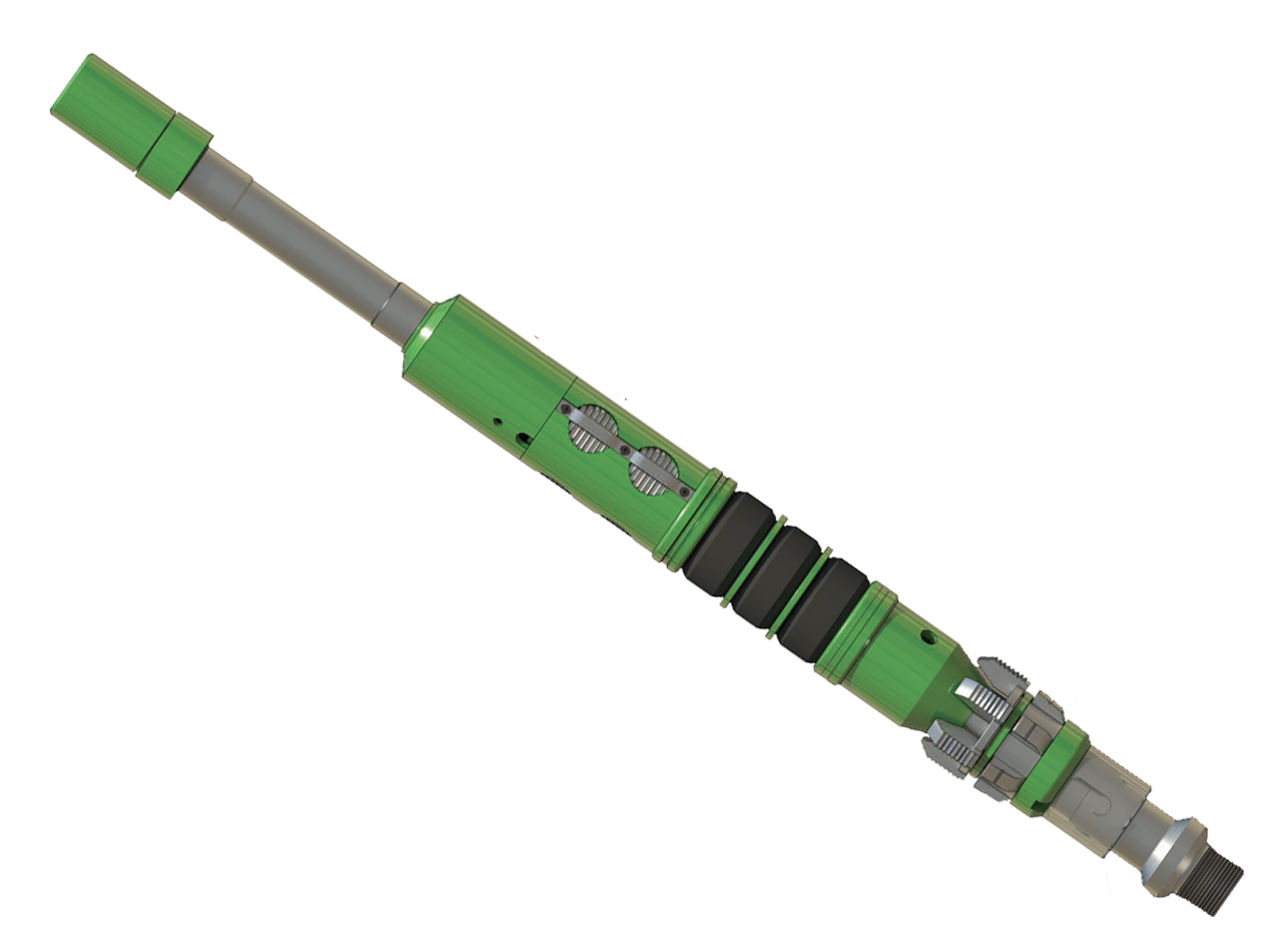
The Ballycatter HP-3 is a hydraulic-set packer engineered for high-angle and deviated well applications, where conventional mechanical or wireline-set tools are not feasible. This packer is particularly suited for single or multi-zone completions, offering flexible deployment in complex well trajectories.
Unlike mechanical systems, the HP-3 requires no tubing movement to set. This enables full well control throughout the operation, as the tubing can be landed and the wellhead installed prior to circulating or displacing fluids.
Key Features:
• Reliable Setting Mechanism: Utilizes dual balanced pistons—one actuates downward to anchor the bi-directional slips, while the other moves upward to compress a three-element packing system. This simultaneous action ensures a secure set and pack-off.
• Three-Element Seal: The packing system uses dual-durometer rubber elements to ensure long-term sealing integrity across a range of downhole conditions.
• Slips & Housing: One-piece, bi-directional slips are housed in a shear-pinned chamber, protected by a full-diameter guide to prevent damage during deployment.
• Release Options: Features a dual-method release system:
• Straight pull via shearing of pre-set screws.
• Right-hand rotation (approx. 8 turns), followed by straight pull.
• Equalization & Retrieval: Built-in equalizing valve opens automatically during release to balance pressures and enable safe retrieval. A large-diameter bypass within the mandrel allows fluid to flow during retrieval, reducing swab effects on the packing elements.
The HP-3 is engineered for reliability, operational flexibility, and full well control—making it a practical choice for complex wellbore geometries.
View Details
2 1/16" Coiled Tubing Hanger 5M Pressure Rated
The 2 1/16” 5M Coiled Tubing Hanger is designed to support coiled tubing strings in well intervention and completion work. With a 5,000 psi pressure rating, it’s well-suited for moderate to high-pressure wells, and its compact 2 1/16” size makes it ideal for smaller wellheads or space-constrained setups.
It handles tubing sizes up to 3 1/2” O.D. and is commonly used for cleanouts, stimulation, logging, and other coiled tubing operations. A built-in wireline entry sub helps guide tools into the tubing while providing an extra seal and preventing tubing movement—improving well control and operational safety.
The hanger is available with API 6B or 6BX flange connections and can include a side outlet if needed. It’s a reliable, field-proven choice for operations requiring strong support and safe access to coiled tubing tools.
View Details
Hydraulic cylinder for various industrial applications
A hydraulic cylinder is a mechanical actuator that is used to give a unidirectional force through a unidirectional stroke. The hydraulic cylinder consists of a cylinder barrel, in which a piston connected to a piston rod moves back and forth. The barrel is closed on one end by the cylinder bottom (also called the cap) and the other end by the cylinder head (also called the gland) where the piston rod comes out of the cylinder. The piston has sliding rings and seals. The piston divides the inside of the cylinder into two chambers, the bottom chamber (cap end) and the piston rod side chamber (rod end/head-end). View Details
Forklifts for material handling in the warehouse or on the job site
Forklifts are one of the most useful and powerful vehicles on any job site. They are used to handle materials, carry heavy loads, as well as load and unload goods from delivery vehicles and safely secure goods in hard to reach areas. When it comes to different types of forklifts, there are as many options to choose from as there are uses for them. A warehouse forklift is excellent for loading and unloading delivery vehicles and can be used to carry inventory, lift pallets and move goods over short distances. They can generally carry the weight of one to five tons and work best in indoor locations. View Details
7" Mech-2 Double Grip Mechanical Set Packer for 17-20 PPF Casing
Ballycatter Mech-2 Double Grip Mechanical Packer
Available sizes: 5”, 5 1/2”, 6 5/8”, 7”, 9 5/8”, and 10 3/4”
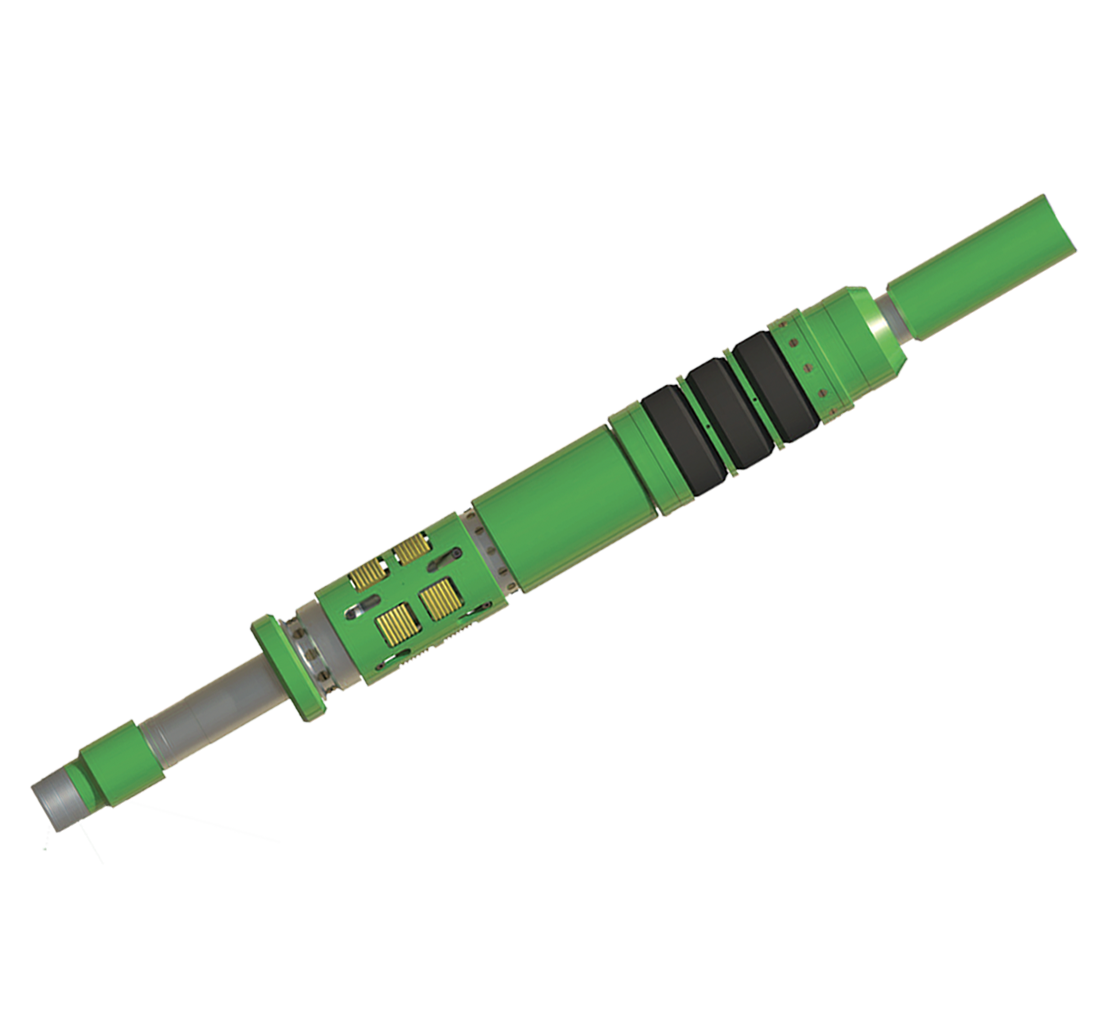
The Ballycatter Mech-2 is a retrievable, compression-set double-grip mechanical packer designed for applications where pressure differentials from below are anticipated, such as combined stimulation and production operations. Featuring opposing slips above and below the packing element, the Mech-2 ensures secure bi-directional anchoring within the casing under varying well conditions.
The tool incorporates a built-in hydraulic hold-down system located beneath the face-seal bypass valve, enabling it to resist upward forces during stimulation treatments. A unique “Differential Lock” mechanism utilizes pressure from below the packer to actuate a balance sleeve, generating additional downward force that maintains bypass valve integrity and ensures a reliable seal.
The Mech-2 is mechanically set using a long-stroke mandrel and a J-slot mechanism. Once positioned, right-hand rotation and applied set-down weight close the bypass valve, engage both slip sets, and compress the sealing elements. The formation below the packer is then fully isolated and accessible only through the tubing. To retrieve, the tubing is raised the full packer length, automatically re-engaging the J-slot and reopening the bypass for pressure equalization and circulation.
With its dual-grip design, hydraulic hold-down, and controlled setting and release process, the Mech-2 offers a robust and dependable solution for demanding applications requiring secure annular isolation and enhanced downhole stability.
View Details
Upgrade of existing copper DCS network
Upgrading Your Lifeline: Nulux’s Proven Expertise in Copper DCS Network Enhancement Navigating the demands of modern-day industrial operations, particularly in the oil and gas sector, necessitates a robust, dependable, and high-performing Distributed Control System (DCS) network. It's more than an infrastructure; it's the operational lifeline that engineers and professionals in the industry lean on for seamless, uninterrupted, and efficient management of processes. But what happens when this lifeline requires enhancement to meet the escalating demands of your evolving operations? This is where Nulux Network Solutions steps in, fortifying your operational backbone with our unparalleled upgrade services. Elevating Your Operational Efficacy with Upgraded Copper DCS Networks Steeped in two decades of prolific experience, Nulux has pioneered numerous industrial projects in North America, specializing in elevating existing copper networks to meet the next level of operational demands, especially in DCS network upgrades. Our seasoned team, wielding a wealth of knowledge in installing, repairing, and upgrading a myriad of copper cabling systems, ensures your DCS network isn’t merely functional but is a testament to peak performance and reliability. The Nulux Advantage: Upgrading with Precision, Experience, and Technical Mastery When your copper DCS network signals a need for an upgrade, the Nulux team becomes your strategic ally, ensuring the transition is not just seamless but also significantly amplifies your network’s efficiency, reliability, and performance. Here's how we elevate your existing DCS networks: Holistic Network Assessment: Our experts delve deep into your existing network, identifying latent potential and areas necessitating upgrades to ensure that the enhanced network is inherently aligned with your operational demands. Strategic Upgrade Planning: Our plans are carved from a place of operational understanding, ensuring the upgrades augment not just the network’s technical performance but also enhance your process management, control, and data flow. Tailored Solutions: Our upgrade solutions are crafted, ensuring they are inherently in sync with your specific requirements, be it in voice, data, or video services, ensuring the upgraded DCS network is a perfect fit for your operational landscape. Uninterrupted Support: Beyond the upgrade, we stand beside you, offering consistent technical support, ensuring your enhanced network continues to operate at peak performance throughout its lifecycle. Why Copper Remains King: Sustaining Reliability and Performance Copper networks have steadfastly held their ground as a preferred choice for structured cabling due to their high-bandwidth transmission capability, long-term reliability, ease of installation, and cost-effectiveness. Your upgraded DCS network, enriched by the myriad benefits copper brings, becomes a solid, reliable, and efficient operational backbone, ensuring enhanced control, communication, and data management across your industrial processes. Aligning with Nulux: Upgrading Your Network, Upgrading Your Success Choosing Nulux as your copper DCS network upgrade partner translates to aligning with a team that understands networks beyond their technical framework. Our solutions are derived from an innate understanding of what businesses, especially in the oil and gas sector, require to maintain a competitive edge. Our legacy, crafted over 20 years, speaks of our commitment, expertise, and unwavering dedication to delivering high-quality network solutions. It’s not just about staying connected; it’s about ensuring that every pulse of your network propels your operations toward unbridled efficiency and success. Let’s explore how your existing copper DCS network can be transformed into a superior, high-performing asset, driving your operations to new heights of efficiency and control. Connect with Nulux Network Solutions today for a comprehensive consultation and pave the way towards an upgraded operational future. View Details
Capillary Deliquification Safety System
In mature fields, liquid loading of gas wells is a common problem. In the short term, this can lead to decreased production, and if not managed correctly, can ultimately reduce overall reservoir recovery. One option for managing the problem is the use of surfactants as foaming agents to artificially unload the well. The preferred method would allow automatic and continuous delivery of these surfactants. The capillary deliquification safety system facilitates delivery of surfactants or other chemicals and liquids to a specified point within the completion, while maintaining the purpose and functionality of a downhole safety device. The deliquification safety system can be installed in an existing completion with the appropriate safety valve landing nipple (SVLN) profile — either a dedicated SVLN or within a tubing-retrievable safety valve (TRSV) in which the control system communication is activated to operate an installed wireline-retrievable safety valve (WLRSV). The system’s injection feature operates via the WLRSV control system. When control-line pressure reaches a predetermined pressure, a regulator installed below the WLRSV opens, allowing chemical injection to occur. Use of the existing control line provides a cost-effective method of installing a semi-permanent injection system without the need to modify the wellhead. The WLRSV is designed to shut in the well at a point below the surface and is opened with hydraulic control pressure. In this application, the applied chemical injection pressure maintains the safety valve in the open position during injection, and the valve closes when injection is stopped. Applications » Chemical injection for gas well deliquification or scale treatment purposes » Available for landing nipples/TRSVs with 2.75-in. and larger sealbores Features » Field-proven WLRSV » Equalizing or non-equalizing-type flapper closure *information referenced from supplier catalog. View Details
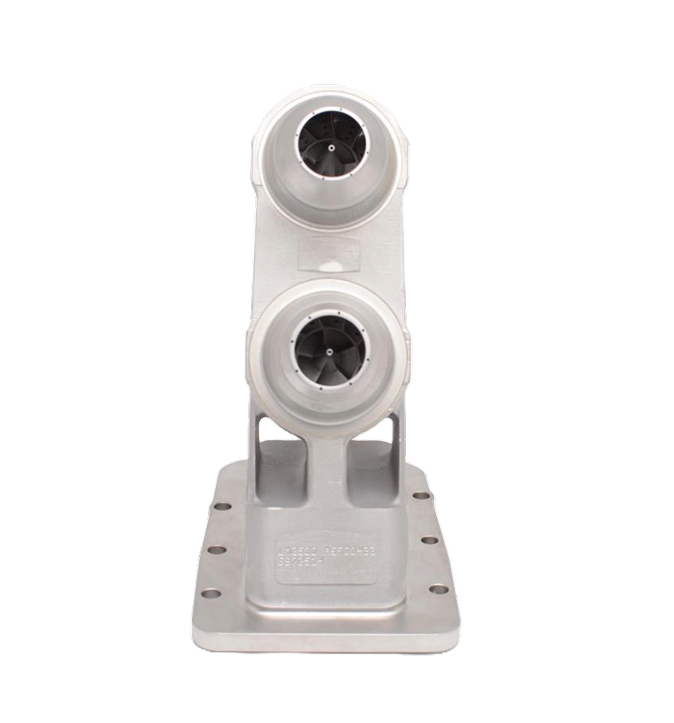
The 3” Gas Fuel Isolation Valve is a solenoid-pilot actuated sleeve-style valve designed specifically for aero-derivative gas turbines. It features a three-inch outlet flange and operates on dual voltage ranges of 24 or 95-140 VDC, providing flexibility for various power systems without compromising performance.
Constructed entirely from stainless steel, the valve complies with NACE standards for corrosion resistance, ensuring durability in harsh environments. It is engineered to withstand heat soak temperatures up to 300°F, making it suitable for high-temperature applications commonly found in turbine fuel systems.
Certified to CE-ATEX standards for Zone 2, Group IIA, Category 3, T3 temperature class, the valve is qualified for use in hazardous and explosive atmospheres, enhancing operational safety.
This valve acts as a critical safety device by isolating the fuel supply during emergency shutdowns or fuel system failures, preventing potential damage to the turbine. Typically deployed in pairs, it offers dual-redundancy to maintain safety even if one valve fails.
The valve is widely used in industrial gas turbine fuel systems where rapid and reliable fuel isolation is critical. Its design supports fast shutoff to prevent damage caused by fuel control failures or stuck throttle conditions. The valve’s durability and compliance with industry standards make it a dependable choice for maintaining operational safety in challenging environments.
View Details
The 3” Gas Fuel Isolation Valve is designed for use in industrial gas turbines within the oil and gas sector, serving as a vital safety and control device. It regulates the flow of natural gas or compressor discharge air to the turbine, enabling quick isolation of fuel supply during abnormal or emergency conditions to protect the turbine from damage.
This valve features a three-inch outlet flange and is solenoid-pilot actuated, operating on 24 or 95-140 VDC power. It is engineered to withstand high-pressure environments, with natural gas operation rated up to 900 psig and compressor air up to 640 psig. It also endures elevated temperatures, tolerating heat soak conditions up to 400°F for natural gas and up to 800°F for compressor air applications.
Constructed from stainless steel materials compliant with NACE standards, the valve resists corrosion in harsh operating conditions typical in oil and gas facilities. It meets strict safety certifications, including CE-ATEX Group IIA, Category 3, Zone 2, T3, making it suitable for use in potentially explosive atmospheres.
The valve operates with a rapid opening time of approximately 110 milliseconds and closes within 1 second, enabling prompt response to operational changes or emergency shutdown signals. Typically installed in pairs to provide dual-redundancy, these valves enhance system safety by ensuring backup isolation capability.
Overall, the 3” Gas Fuel Isolation Valve is essential for maintaining safe, efficient, and reliable turbine operation by controlling and isolating fuel or air flow, thereby preventing damage and reducing the risk of costly downtime in oil and gas power generation applications.
View Details
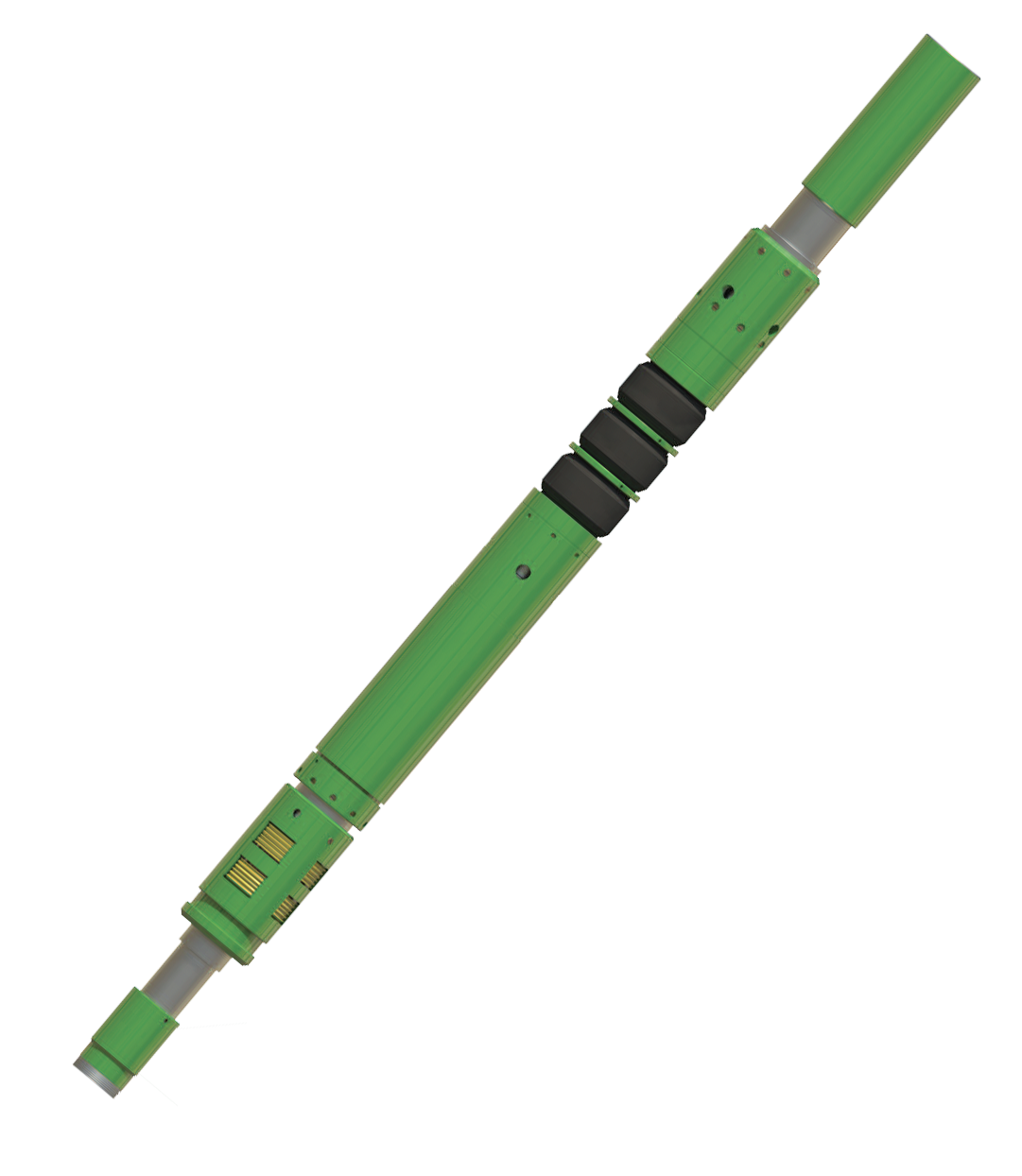
6 5/8" HP-6 Hydraulic Set High Angle Production Packer for 24-28 PPF Casing
Ballycatter HP-6 High Angle Production Packer
Available sizes: 4 1/2”, 5”, 5 1/2”, 6 5/8”, 7”, 7 5/8”, and 9 5/8”
The Ballycatter HP-6 is a compact, hydraulically set production packer designed for low to medium-pressure applications in high-angle and horizontal wells. With a short body length and no tubing movement required for setting, the HP-6 is ideally suited for tight-radius deviations, stacked completions, and coiled tubing operations.
It can be run in single or multiple packer installations with sequential setting in a single trip, reducing rig time and complexity.
Rated to 7,500 psi and tested in Q125 casing, the HP-6 features a straight-pull release mechanism that is fully isolated from hydraulic pressure, allowing low shear-out force even under full differential pressure.
Built-in bypass ports equalize pressure during retrieval, ensuring smooth release and reducing swab risk. The tool can be set using rig pumps, and its economical design allows for easy redress and reuse. Optional rotational release is available for added flexibility in challenging retrieval scenarios.
Engineered with materials and elastomers for hostile environments, the HP-6 delivers dependable performance in offshore operations, high-angle wells, and cost-sensitive completions requiring reliability without unnecessary complexity.
View Details
4-1/2 inch SP SCSSSV Tubing Retrievable
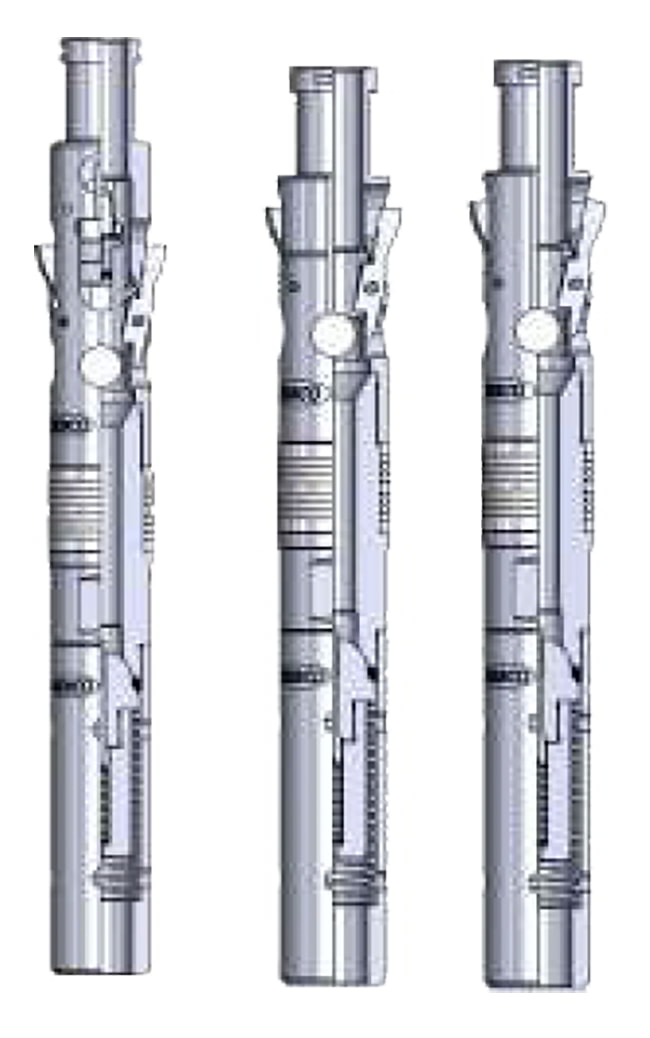
The SP™ tubing-retrievable safety valve (TRSV) is a single rod-piston non-elastomer flapper valve designed for hostile environments and extended life applications where ultimate reliability is required. Potential leak paths within the valve are minimized with the single rod-piston design. The piston achieves a metal-to-metal (MTM) seal at its uppermost and lowermost positions to seal well pressure from the control system. The SP valves incorporate flappers using spherical radius sealing surfaces that help greatly improve seal reliability. The spherical radius design provides full MTM sealing integrity. For applications where either the OD or ID is restrained, SP valves incorporate a contoured flapper. OD/ID relationships are improved by the contoured flapper design, which helps provide superior MTM sealing when compared to other forms of curved flapper technology. Applications » For applications requiring ultimate reliability and longevity, such as high-temperature/high-pressure, and subsea completions, or hostile well environments Features » Non-elastomer dynamic piston seals » MTM static seal at upper and lower piston positions » MTM body joints » Flow tube fluted guide » 100% MTM flapper » Concentric thrust bearing » Wiper ring on upper flow tube » Cleanout ports in flow tube’s upper end » Internal exercise profile » Flow tube shock absorber » MTM face seat at flow tube downstop » Setting depths to 9,000 ft (2743 m) » Critical components isolated from well debris with valve in open position » Area above flow tube free of solids buildup » Flow tube can be manipulated by slickline » Protected from high flow rate slam closures *information referenced from supplier catalog. View Details
Wrenches for professional maintenance of industrial equipment
A wrench ensures the workability of the object so that it continues to work as fast and effectively as before. It is basically used to provide a strong grip; it is also known as a spanner. Using a wrench is extremely easy. A double-ended tool with one end being like an open-end wrench or open-ended spanner, and the other end being like a box-end wrench or ring spanner. Both ends generally fit the same size of bolt. View Details
Gas Turbine LM2500+ DLE 50Hz 1x CC
The LM2500+ DLE in a 1x1 combined cycle configuration—one gas turbine, one heat recovery steam generator (HRSG), and one steam turbine—delivers significantly higher efficiency, exceeding 50% in combined cycle mode.
Designed for high thermal efficiency, fast start capability, and reduced emissions, the LM2500 family is widely used across onshore and offshore environments, including industrial plants, pipeline stations, CHP systems, and utility-scale power production.
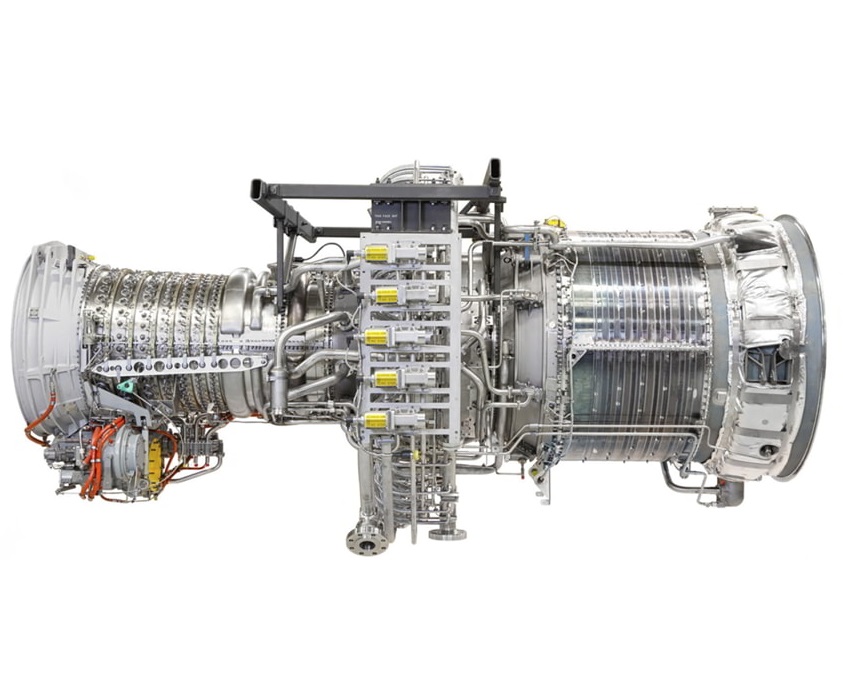
The DLE combustion system enables the LM2500+ to maintain low NOx and CO emissions without the need for water or steam injection—simplifying operations and reducing water-related maintenance.
Key features include:
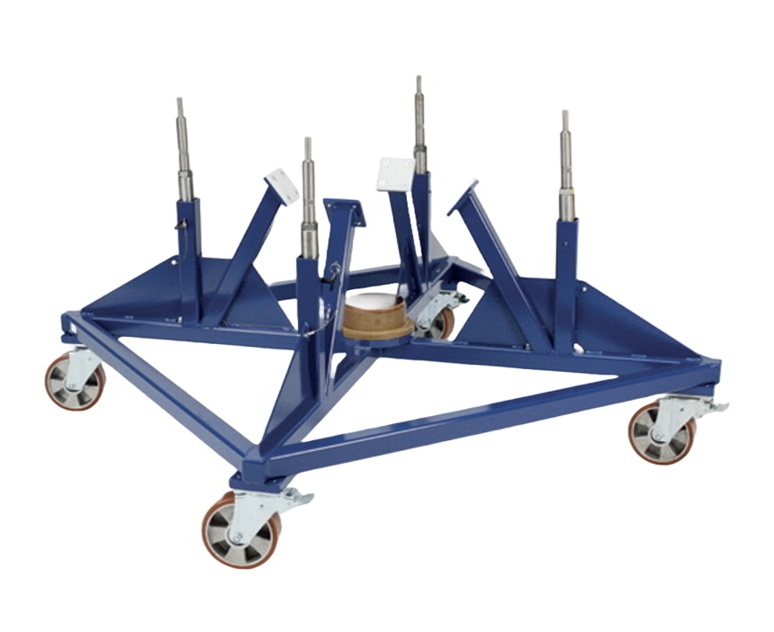
With fast ramp-up—achieving base load from cold start in under five minutes—the LM2500 is an ideal choice for fast-start and cycling applications. This performance makes it well suited to dynamic grid environments and industrial use cases requiring quick responsiveness.
View Details
Electrical Submersible Pump Packer
A downhole Electric Submersible Pump (ESP) Packer for a 9 5/8” casing is a critical component in artificial lift systems, designed to provide a secure, pressure-tight seal between the tubing and casing while allowing the electrical cable to pass through to the ESP. Here’s how it works:
1. Hydraulic-Set, Dual-Bore Design

This single-mandrel, dual-bore packer is hydraulically set by applying fluid pressure through the tubing. This eliminates the need for mechanical manipulation, making it an effective choice for deviated or high-angle wells where mechanical setting might be challenging.
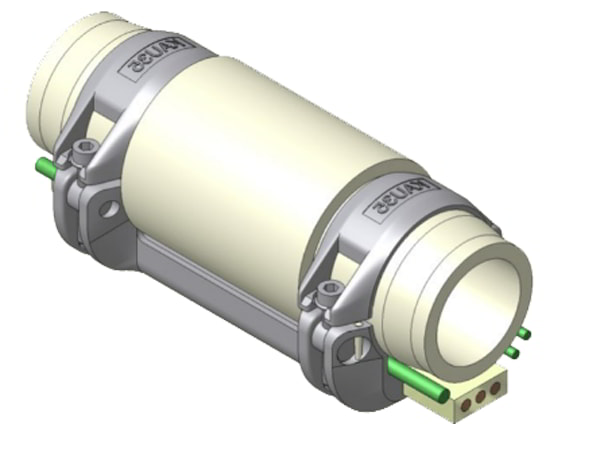
• The dual-bore design incorporates a dedicated pass-through bore, allowing the power cable to run from the surface, through the packer, and down to the ESP below.
• This configuration enables uninterrupted power delivery to the pump while maintaining zonal isolation in the wellbore.
2. Bi-Directional Slip System for Secure Anchoring
Once hydraulic pressure is applied, the case-carburized bi-directional slips engage against the casing wall.
• These slips are hardened to withstand high loads and anchor the packer firmly in place to resist both upward and downward forces caused by reservoir pressure fluctuations and ESP-induced pressure differentials.
• This ensures that the packer remains securely in position, preventing unintended movement during production or shutdown cycles.
3. Versatile Release and Retrieval Mechanism
When it’s time to retrieve or replace the ESP system, the packer features a flexible release system:
• The standard retrieval method involves applying a straight upward pull on the tubing, which disengages the slips and allows the packer to be removed.
• Alternatively, for applications where higher retrieval forces might be impractical, a cut-to-release option is available, enabling efficient removal in more challenging well conditions.
Operational Advantages
• Reliability in High-Load Applications: Designed to handle the extreme downhole conditions associated with ESP operations, including high fluid flow rates and pressure fluctuations.
• Adaptability to Various Completion Designs: The dual-bore configuration accommodates different ESP setups and cable-routing requirements.
• Efficiency in ESP Deployment: By securely isolating production zones while allowing cable pass-through, the packer streamlines the ESP installation process and enhances system integrity.
This ESP packer plays a vital role in ensuring reliable artificial lift performance, particularly in deep or high-pressure wells where stable downhole conditions are essential for maximizing production efficiency.
View Details
Shifting Tools for Downhole Tools
Streamline Your Downhole Operations with HOCA Oil Tools' Internal Fishing Neck Pulling Tools In the constantly evolving oil and gas industry, having the right tools for specific downhole tasks can significantly enhance operational efficiency and safety. HOCA Oil Tools specializes in providing such solutions, and our Internal Fishing Neck Pulling Tools are a prime example. These tools are meticulously engineered for the safe and efficient retrieval of downhole equipment, ensuring operations proceed smoothly without unnecessary downtime or risk. HOCA's Internal Fishing Neck Pulling Tools: Engineered for Precision and Reliability Designed to latch onto internal fishing necks of downhole tools and equipment, HOCA Oil Tools' Internal Fishing Neck Pulling Tools offer unmatched precision and reliability. These tools are integral for the retrieval process, providing a secure grip without damaging the wellbore or the equipment being retrieved. Constructed from high-quality materials and designed to meet rigorous industry standards, our pulling tools ensure successful operations under a variety of downhole conditions. Experience the Difference with HOCA Oil Tools Choosing HOCA Oil Tools’ Internal Fishing Neck Pulling Tools means opting for a blend of quality, innovation, and support designed to meet the specific needs of modern downhole operations. Our commitment to excellence ensures that our tools not only meet but exceed the rigorous demands of the oil and gas industry. Integrating our Internal Fishing Neck Pulling Tools into your downhole operations translates into enhanced efficiency, safety, and cost-effectiveness. With HOCA Oil Tools, you gain more than just a supplier; you gain a partner dedicated to your success, offering cutting-edge solutions and unparalleled service. Opt for HOCA Oil Tools for your downhole needs and join the ranks of satisfied clients who trust our Internal Fishing Neck Pulling Tools for their critical operations. Elevate your downhole performance with HOCA Oil Tools – where technology, innovation, and reliability converge to drive success. View Details
The Monoflange DBB Double Block and Bleed Valve with Needle-Needle-Needle configuration is designed to provide dual isolation and safe venting in oil and gas, chemical, and process systems. Both isolation points use needle valves, allowing precise control of flow and pressure in the cavity between the two isolation points, which minimizes leakage and ensures accurate venting. This configuration is particularly suited for instrument and gauge isolation, chemical injection, and sampling applications, where fine control and safety are critical.
The monoflange design integrates the two isolation valves and the bleed into a single compact body. This eliminates the need to bolt together separate valves, reducing the number of joints, potential leak paths, and overall weight, while saving installation space and simplifying maintenance. The valve can accommodate flange sizes from 1/2” to 2” and is rated for Class 150 to Class 2500, making it suitable for a wide range of high-pressure applications.
Manufactured to recognized industry standards including ASME B16.34, API 6D, and ISO 17292, the valve is available in a variety of materials such as SS 316, SS 316L, Duplex, Super Duplex, Hastelloy, Inconel, and Monel. Optional NACE MR-0-175 compliant materials are available for corrosive environments. In-built vent valves and low emission testing ensure the valve meets stringent safety and environmental requirements, providing a reliable solution for critical fluid control applications.
View Details
HP-3 Hydraulic Set High Angle 6 5/8" 20-24 PPF Packer
Ballycatter HP-3 High Angle Packer
Available sizes: 5 1/2”, 6 5/8”, 7”, and 9 5/8”
The Ballycatter HP-3 is a hydraulic-set packer engineered for high-angle and deviated well applications, where conventional mechanical or wireline-set tools are not feasible. This packer is particularly suited for single or multi-zone completions, offering flexible deployment in complex well trajectories.
Unlike mechanical systems, the HP-3 requires no tubing movement to set. This enables full well control throughout the operation, as the tubing can be landed and the wellhead installed prior to circulating or displacing fluids.
Key Features:
• Reliable Setting Mechanism: Utilizes dual balanced pistons—one actuates downward to anchor the bi-directional slips, while the other moves upward to compress a three-element packing system. This simultaneous action ensures a secure set and pack-off.
• Three-Element Seal: The packing system uses dual-durometer rubber elements to ensure long-term sealing integrity across a range of downhole conditions.
• Slips & Housing: One-piece, bi-directional slips are housed in a shear-pinned chamber, protected by a full-diameter guide to prevent damage during deployment.
• Release Options: Features a dual-method release system:
• Straight pull via shearing of pre-set screws.
• Right-hand rotation (approx. 8 turns), followed by straight pull.
• Equalization & Retrieval: Built-in equalizing valve opens automatically during release to balance pressures and enable safe retrieval. A large-diameter bypass within the mandrel allows fluid to flow during retrieval, reducing swab effects on the packing elements.
The HP-3 is engineered for reliability, operational flexibility, and full well control—making it a practical choice for complex wellbore geometries.
View Details